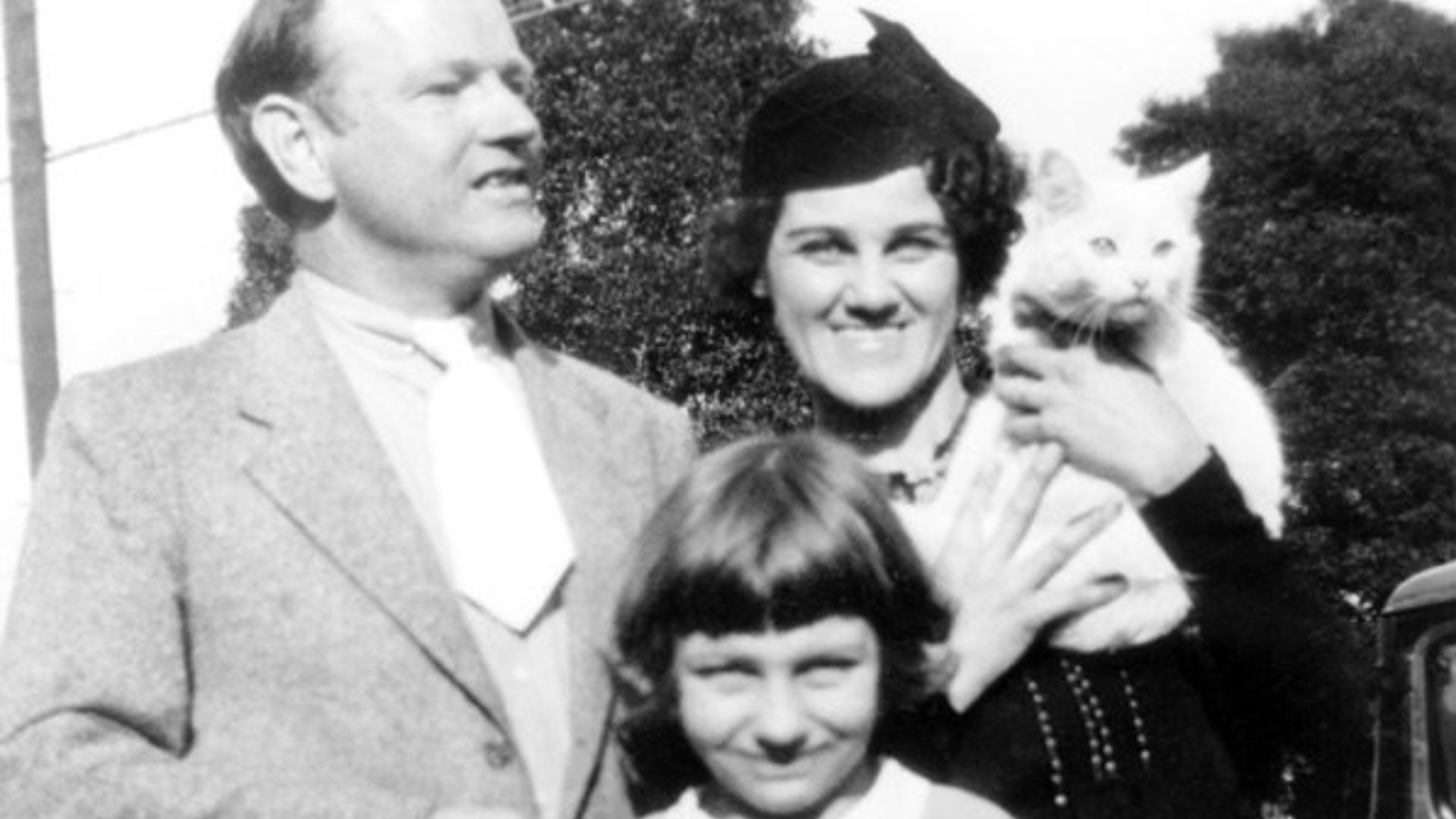
In a shocking turn of events that gripped the nation, Arthur Eggers met his fate in the gas chamber for the brutal murder of his wife, Dorothy. The case unfolded as a dark narrative of a marriage marred by domination, infidelity, and a deadly eruption of violence.
Arthur, a smaller and somewhat submissive man, found himself ensnared in a tumultuous relationship with his wife, Dorothy, whose dominant personality cast a shadow over their union. Allegedly subjected to verbal abuse, Arthur endured derogatory labels such as "a little insect," while Dorothy, prone to extramarital affairs, conducted her liaisons with a brazen disregard for her husband's feelings.
The fatal night unfolded when Arthur, driven by a mix of rage and betrayal, discovered Dorothy in the company of one of her paramours. In a desperate attempt to confront the other man, a scuffle ensued. In the chaos, a gun wielded by Arthur "accidentally" discharged, claiming Dorothy's life. Fueled by panic, Arthur resorted to gruesome measures, using a handsaw to sever her head and hands, a macabre act aimed at preventing identification. He callously disposed of her remains in a remote area of the San Bernardino mountains.
Suspicion mounted against Arthur swiftly, exacerbated by his own erratic behavior. His attempt to report his wife missing included a crucial error in stating her height as 5'2" instead of the accurate 5'7", aligning with the estimated height of the headless body. Moreover, he tried to sell Dorothy's car just a week after her murder, cunningly switching the title into his name. Investigators, delving into the depths of the case, discovered damning evidence in the form of blood in the trunk of Dorothy's car, a chilling echo of the crime.
Arthur's initial confession, where he asserted he never intended to kill his wife, soon crumbled. Desperation forced him to retract his admission of guilt, prompting investigators to gather more evidence against him. The unraveling of this dark tale led authorities to a series of grisly discoveries. The blanket in which Dorothy's body was found wrapped was identified by the Eggers' niece, who confirmed its recent presence in their home. The blood in Dorothy's car trunk provided a damning link to the crime scene, while blood spots and fragments of human bone found in a saw belonging to Arthur cemented the case against him.
As the legal proceedings unfolded, Arthur faced the ultimate consequence for his heinous act—execution in the gas chamber. The chilling details of the case left a lasting impact on the community, prompting reflections on the fragility of relationships and the tragic consequences that can arise from a toxic mix of dominance, infidelity, and violence.
In the aftermath of Arthur Eggers' execution, the tale serves as a somber reminder of the complex dynamics that can unfold behind closed doors. It calls for a collective introspection on societal attitudes toward abuse, the importance of seeking help in troubled relationships, and the imperative of addressing the root causes that can escalate conflicts to such tragic proportions. The legacy of Arthur and Dorothy Eggers remains etched in the annals of crime, urging society to strive for healthier, more compassionate relationships to prevent such harrowing stories from repeating themselves.