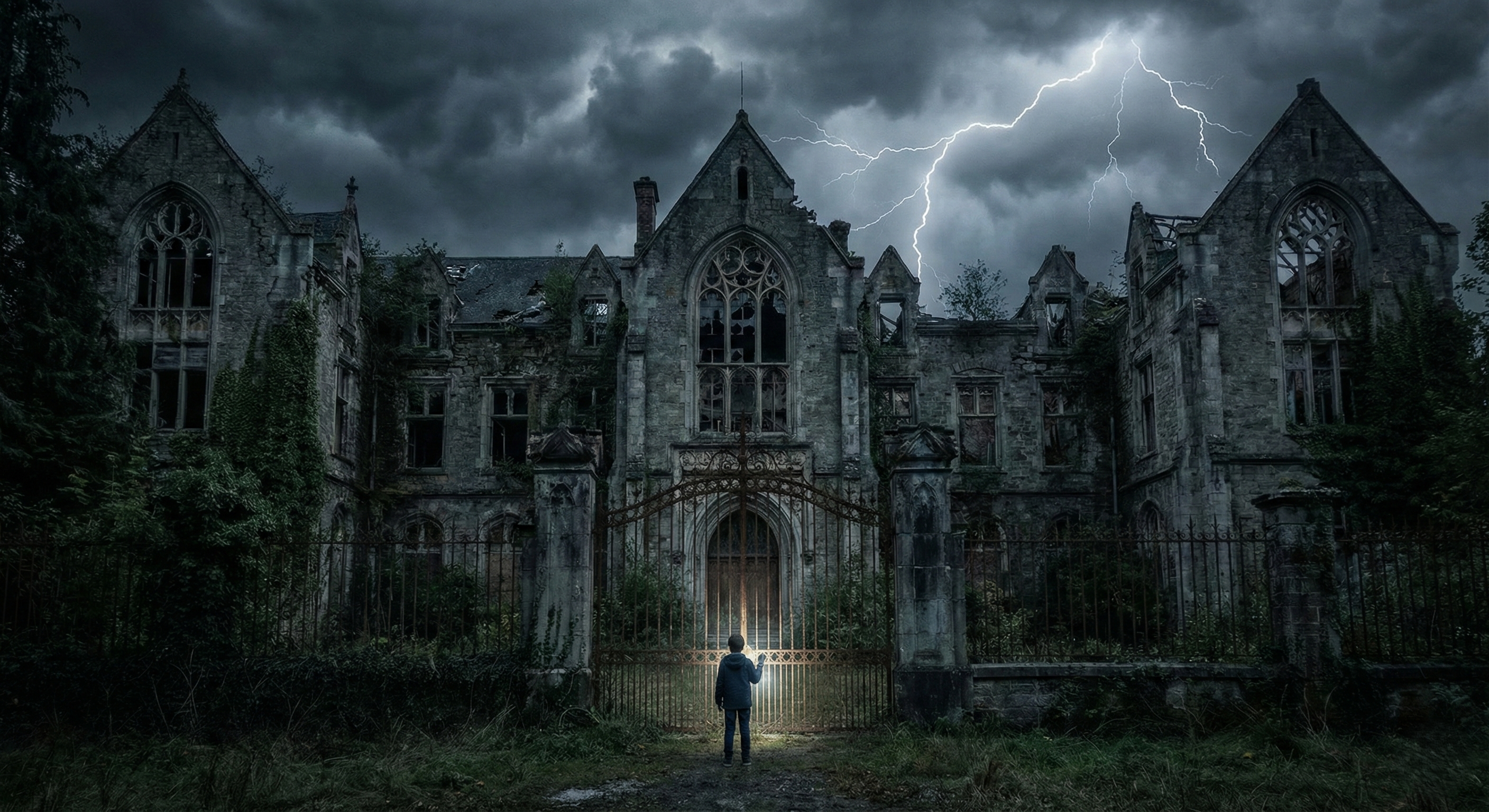
Top Abandoned Places That Inspired Horror Games: 40 Locations That Built Modern Fear
Somewhere in the bones of every great horror game is a place that shouldn’t feel alive, an institution emptied too fast, a town that forgot its own name, a corridor that keeps breathing after the lights go out.
Vincent Bloodworth has spent a lifetime collecting these maps of dread, not to glamorize danger, but to understand why abandoned spaces turn pixels into panic.
Before we go in, one quick clarification: when I say a place inspired horror games, I’m talking about three layers: real locations, real history, and recurring abandoned-place archetypes that designers keep reusing because they work.
You’ll see a simple label under each entry so you know what’s confirmed, what’s likely, and what’s just the classic shape of fear.
Key Takeaways
You’re about to get 40 iconic abandoned horror locations, organized into 8 themed chapters, so you can jump straight to the flavor of fear you crave.
- You’ll get 40 abandoned horror locations, grouped into 8 themes, so you can pick the exact flavor of dread you want.
- Each entry includes a fear trigger, which makes it scary, and a design trick how the game turn the place into panic.
- Every location is labeled as Real-site, anchored / Historical echo / Genre archetype, so you don’t confuse myth for fact.
- If you ever chase the vibe in real life: permission first, and assume abandoned means unstable and unsafe until proven otherwise.
Takeaway:Keep this list as a menu of atmospheres, then pick your next game like you’d pick a cursed door.
Pick Your Vibe
| If you want this kind of fear… | Start here… |
| Clinical dread (cold, institutional) | Mount Massive Asylum, Brookhaven Hospital |
| Empty-city loneliness (scale + silence) | Silent Hill, Raccoon City, Oakmont |
| Home turned hostile (intimate horror) | Baker Estate, Visage House |
| Claustrophobia (metal corridors, no air) | USG Ishimura, Sevastopol Station |
| Buried dread (dark + confined) | WWI Bunker, Blackwood Mountain Mines |
Abandoned Asylums & Hospitals That Defined Horror Level Design
This chapter gives you the clinical dreadsettings that taught horror games a simple truth: a hallway is scarier than a monster when it feels like it remembers you.
Richardson Olmsted Complex, New York
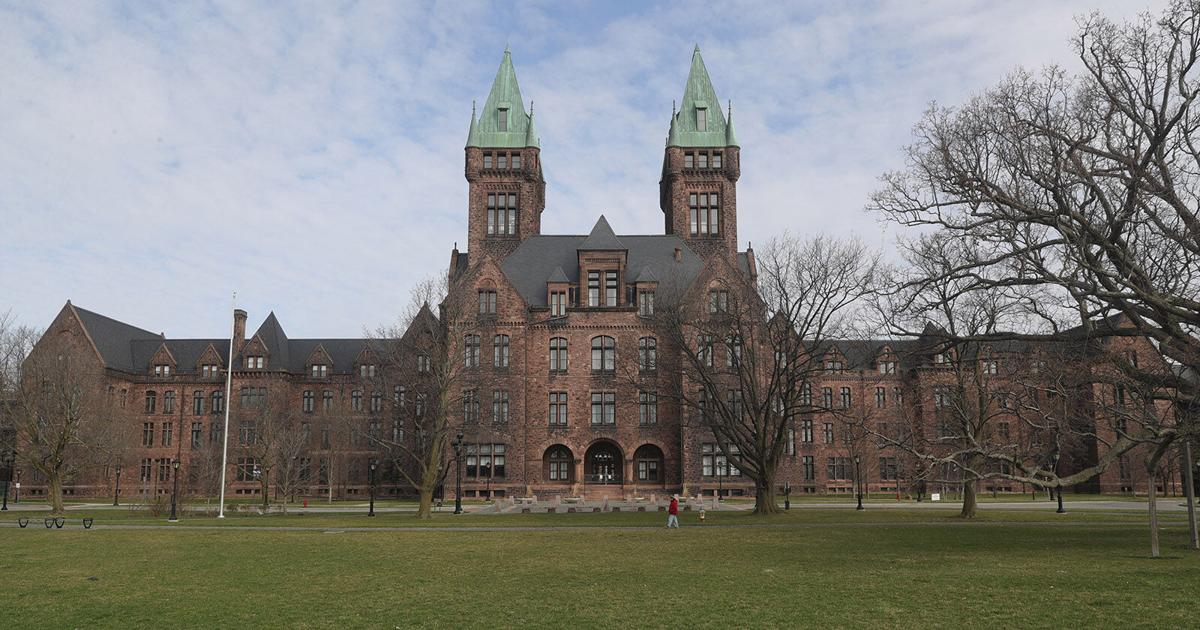
Inspiration type:Direct Architectural Reference
Real-world history:Long before Red Barrels sent a journalist into the dark, developers studied the looming, Gothic-revival towers of this real 19th-century Buffalo asylum. Its imposing red-brick facade and labyrinthine wards became the direct visual blueprint for Mount Massive Asylum.
Design lesson:Tracing real-world blueprints of spaces designed to isolate patients ensures the digital halls evoke genuine, claustrophobic panic.
Ospedale Psichiatrico Di Volterra, Italy
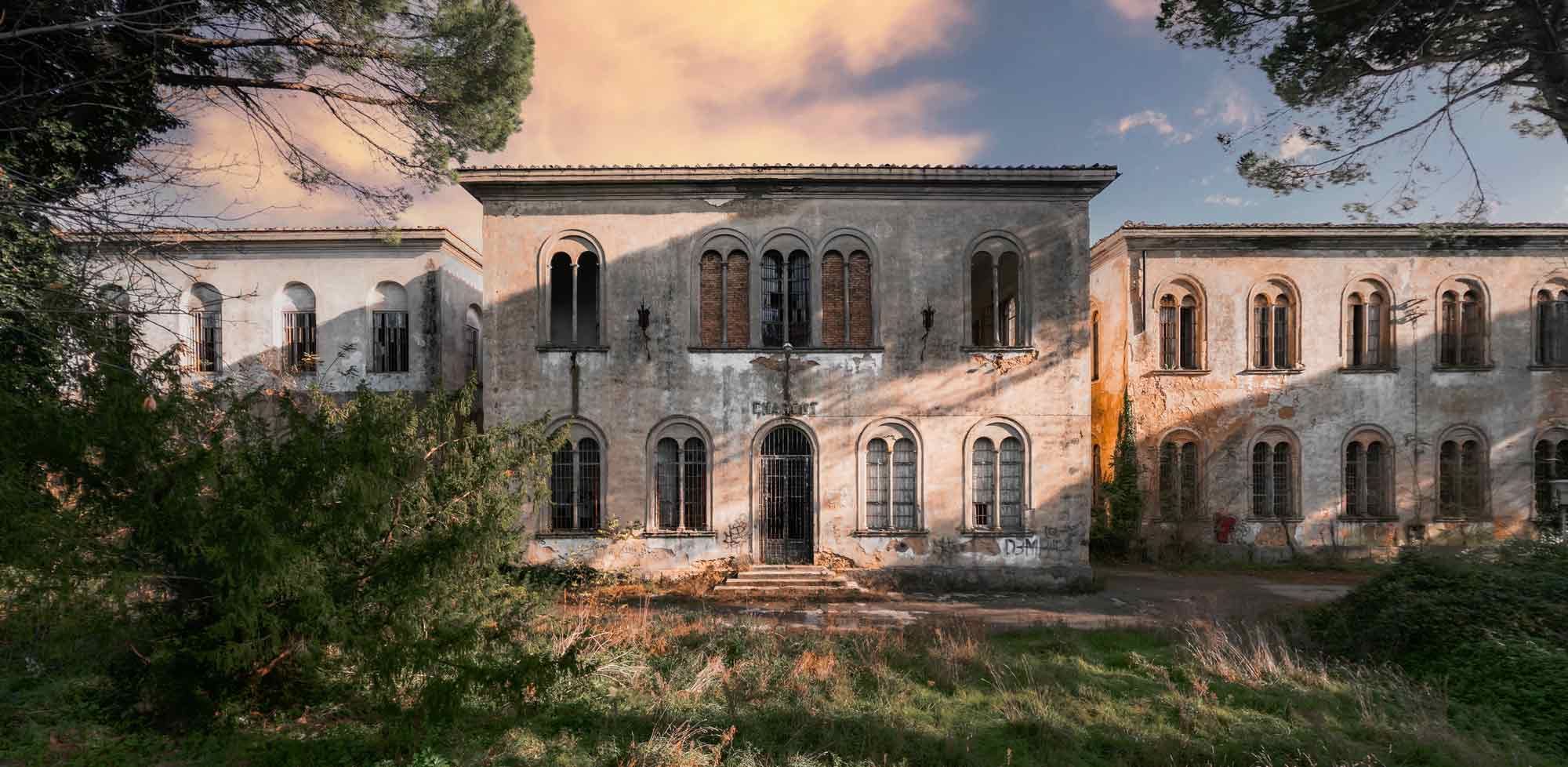
Inspiration type:Real-site anchored.
Real-world history:Volterra isn’t just a vibeit’s a real psychiatric complex with a tragic history of mistreatment. Developers painstakingly recreated its actual decaying corridors, peeling paint, and forgotten patient records to ground their psychological horror in undeniable reality.
Design lesson:When a location is real, restraint matter sterror comes from documentary textures and the heavy weight of what human institutions can actually do.
Waverly Hills Sanatorium, Kentucky
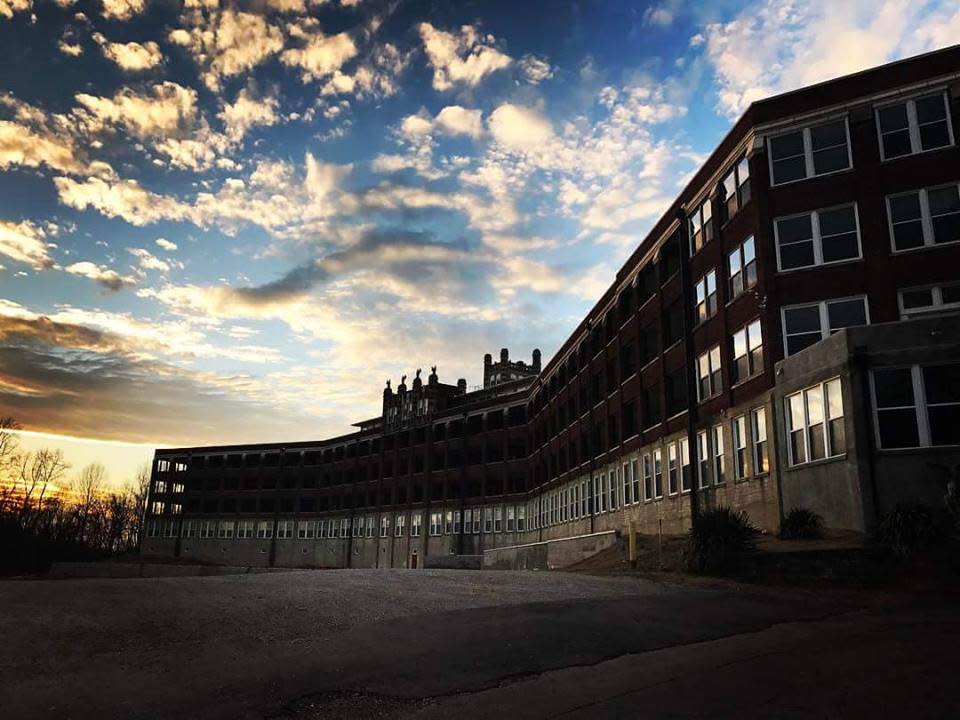
Inspiration type:Paranormal Archetype.
Real-world history:This sprawling tuberculosis hospital is infamous for its body chute and hollowed-out wards. Its sterile, echoing hallways serve as the ultimate real-world archetype for the abandoned hospital maps found in modern ghost-hunting simulators.
Design lesson:Horror thrives on mundane familiarity. A decaying hospital is terrifying precisely because it’s supposed to be a place of healing, now left to rot.
Danvers State Hospital, Massachusetts
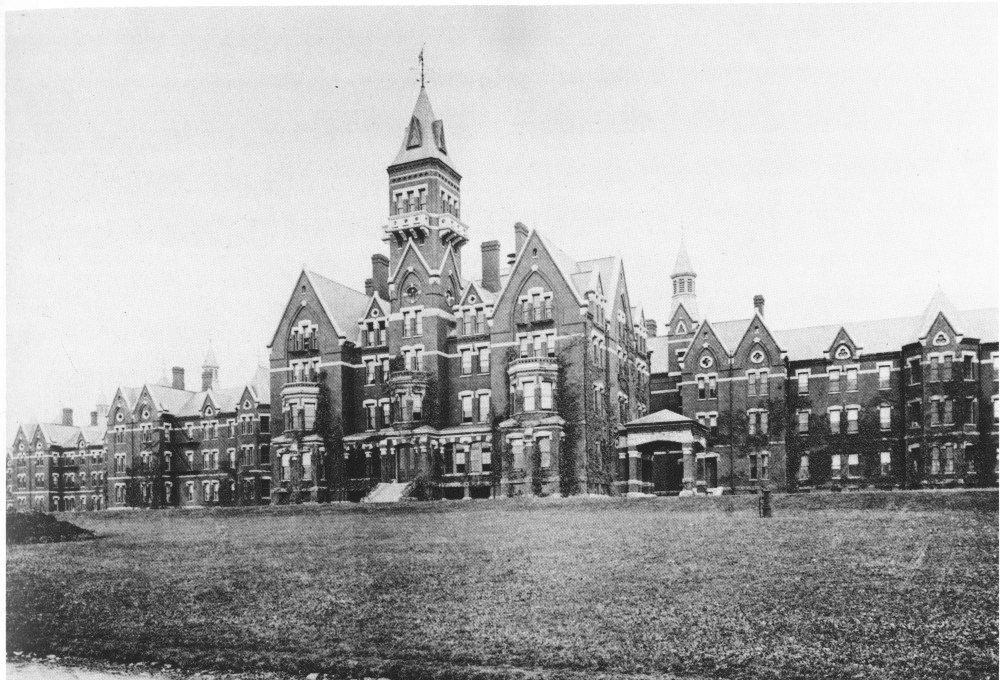
Inspiration type:Genre Blueprint.
Real-world history:Before its partial demolition, this massive bat-wing structure of Gothic terror heavily influenced the design of Arkham Asylum across pop culture. Its imposing hilltop facade and dark history of lobotomies taught developers how to make a building look hostile from the outside in.
Design lesson:Use spatial intimidation to make players fear the place before they even step inside because the exterior architecture refuses to look welcoming.
Pennhurst State School, Pennsylvania
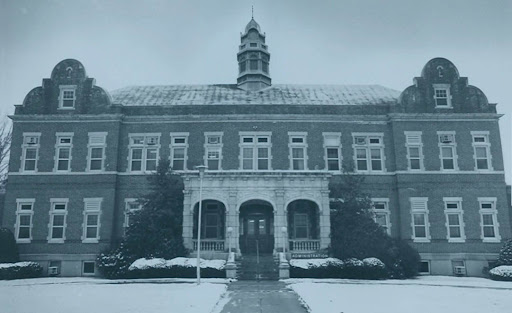
Inspiration type:Atmospheric Echo.
Real-world history:Known for severe overcrowding, Pennhurst's decaying dormitories and subterranean tunnels reek of misery. The brutalist decay, rusted medical equipment, and scattered debris heavily inspired the grimy, visceral urban combat zones of early 2000s survival horror.
Design lesson:The best abandoned spaces still feel recently inhabited. Leaving rusted wheelchairs or scattered patient files makes it feel like everyone left in a blind panic.
Ghost Towns & Fallen Cities Where Silence Is The Monster
This chapter helps you spot the abandoned-city trick: horror doesn’t need clutter; it needs absence with a backstory you can’t fully read.
Centralia, Pennsylvania
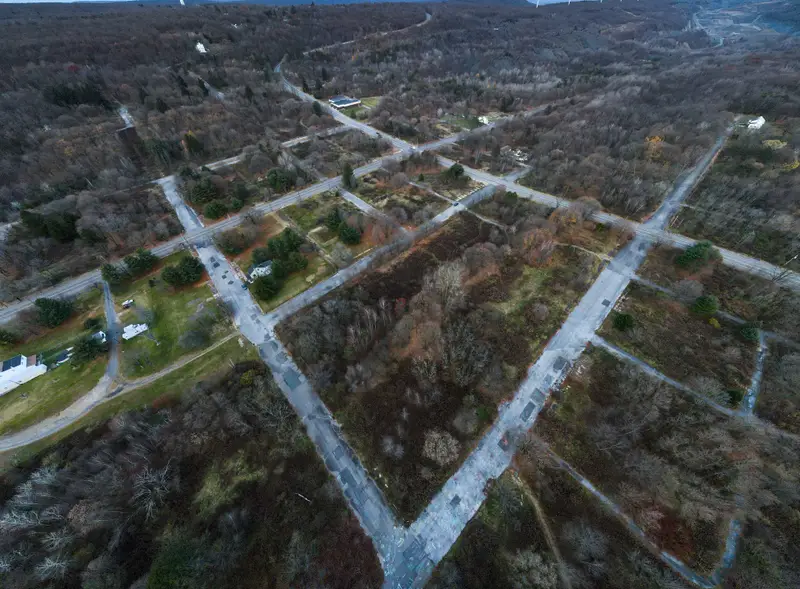
Inspiration type:Historical echo.
Real-world history:A coal fire ignited beneath this town in 1962 and still burns today, splitting the earth and venting toxic white smoke. While the original game developers cited various inspirations, this apocalyptic reality birthed the iconic, fog-drenched streets of the Silent Hill film, which heavily influenced the aesthetic of later games.
Design lesson:Mix recognizable civic spaces, police stations, suburban streets with systemic environmental failure players fear what they understand but can no longer control.
Pripyat, Ukraine
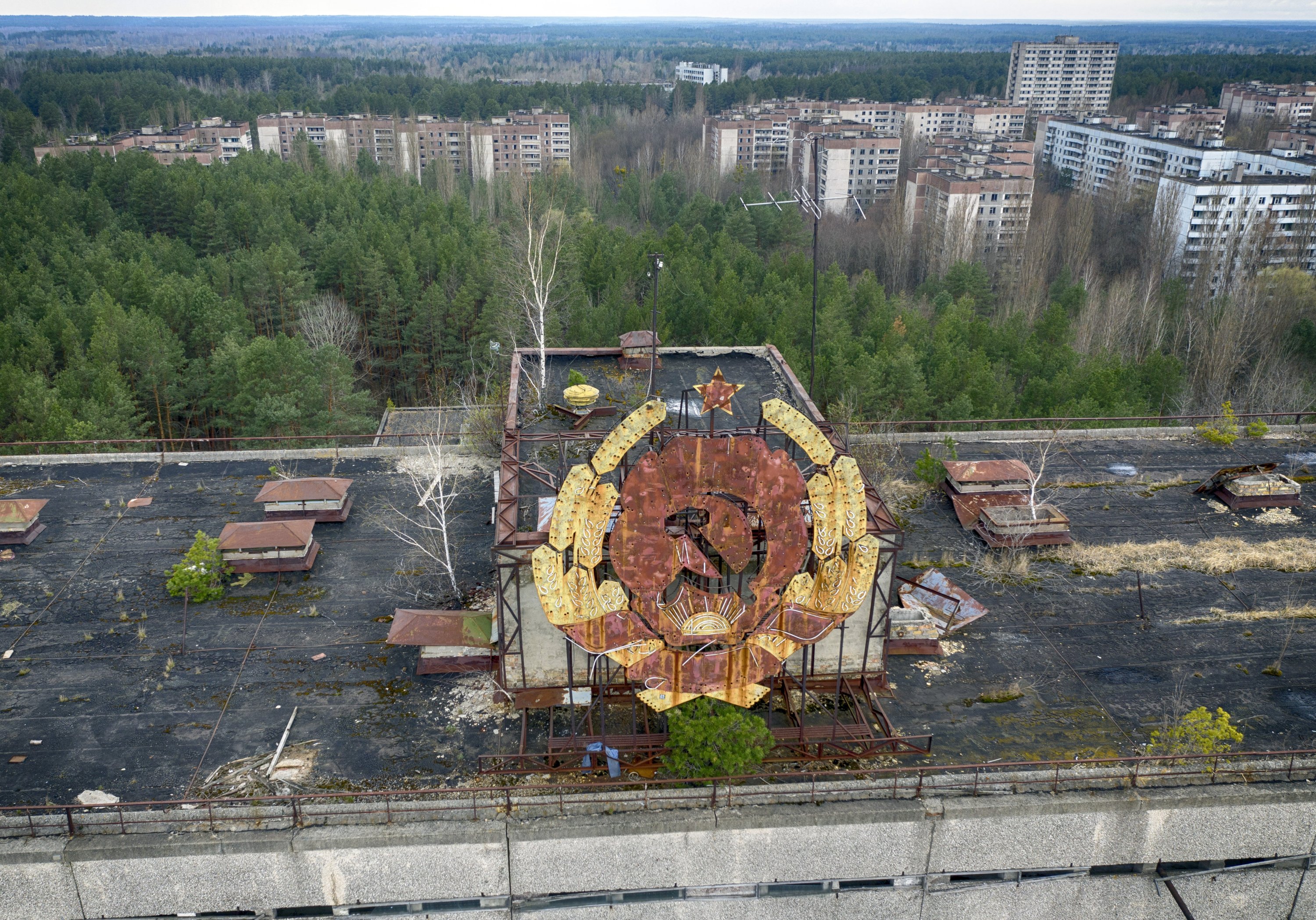
Inspiration type:Real-site anchored.
Real-world history:Frozen in time since the 1986 Chornobyl disaster, Pripyat is an urban collapse in slow motion. Developers mapped its rusting Ferris wheel, empty schools, and irradiated forests with chilling accuracy to create interactive, hostile exclusion zones.
Design lesson:Make the environment argue with itself. The beauty of nature reclaiming a city mixed with the invisible, deadly threat of radiation creates deep cognitive dissonance.
Hashima Island, Japan
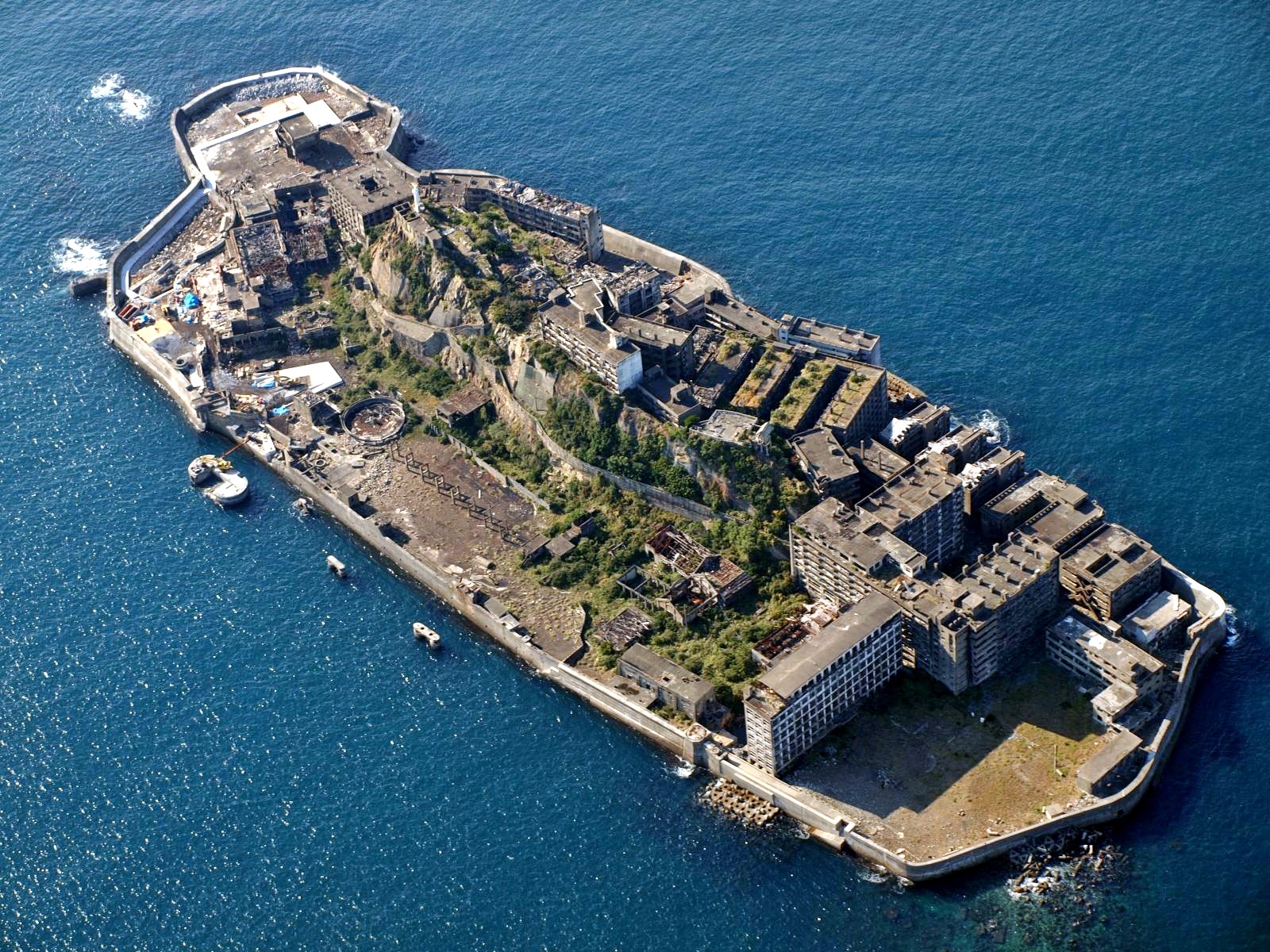
Inspiration type:Direct Architectural Reference.
Real-world history:This concrete island fortress off the coast of Japan was once a densely populated coal-mining facility before being abruptly abandoned. Its claustrophobic, labyrinthine apartment blocks, crumbling into the sea, directly inspired the setting of Yamijima Island.
Design lesson:Small, isolated settlements amplify fear through line-of-sight paranoia, with so many shattered windows stacked on top of each other, you can’t tell who’s watching you.
Kowloon Walled City, Hong Kong
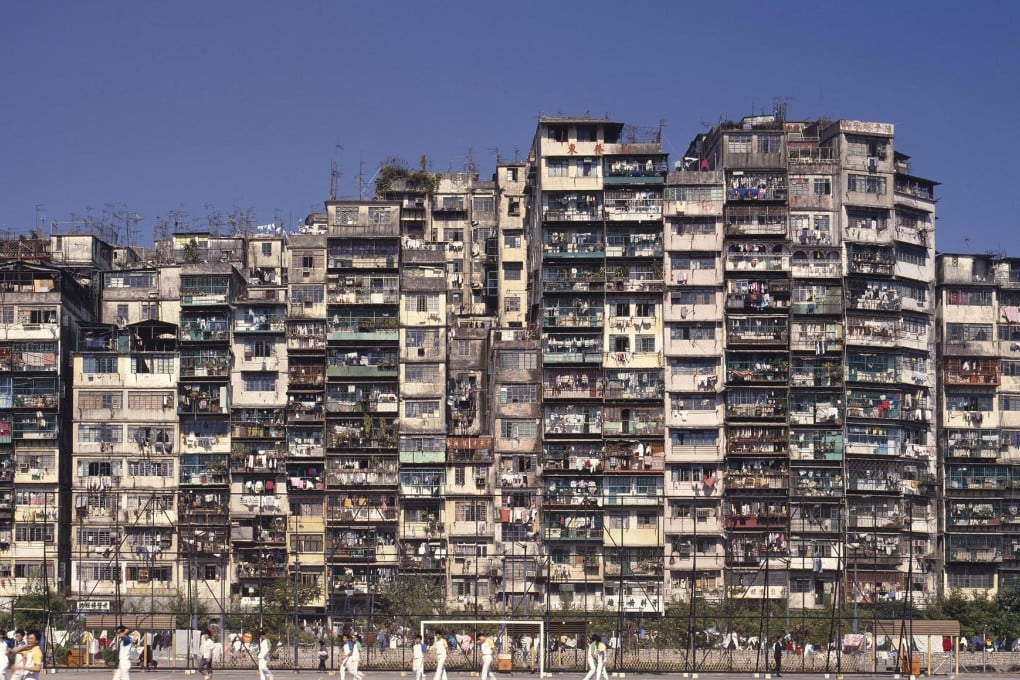
Inspiration type:Historical echo.
Real-world history:Though demolished in the 1990s, this incredibly dense, lawless architectural anomaly lives on in digital form. Its claustrophobic alleys, dripping pipes, and towering trash-filled corridors are the ultimate blueprint for cyberpunk and urban horror settings.
Design lesson:Limit space so sound becomes a threat, footsteps above and below you are infinitely scarier when you can’t run, and the walls are closing in.
Bodie, California
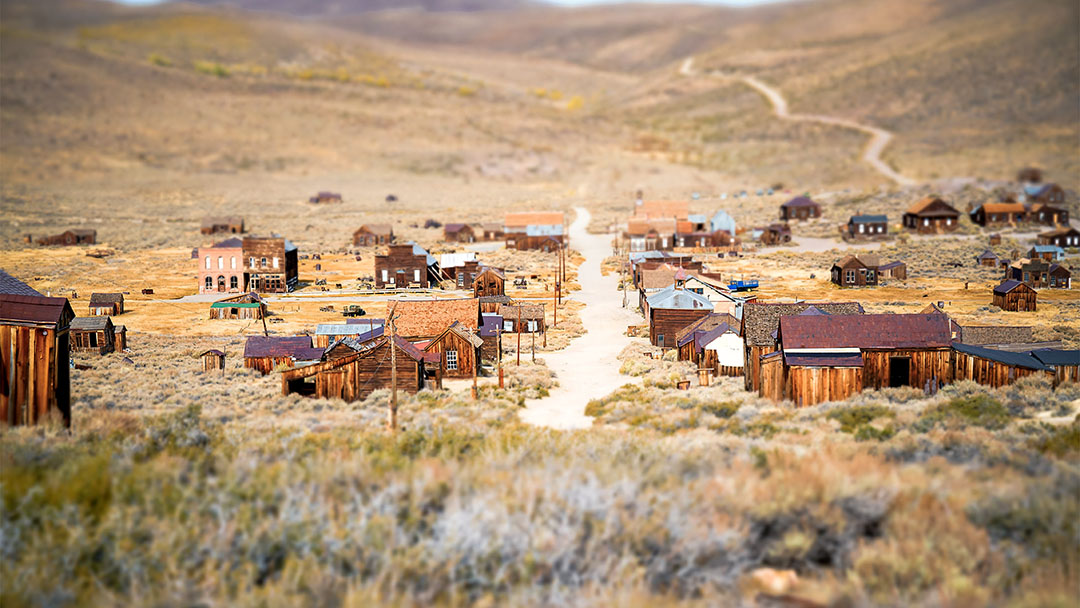
Inspiration type:Genre archetype.
Real-world history:Preserved in a state of arrested decay, Bodie is the quintessential Wild West ghost town. Its dusty saloons and sun-bleached wooden houses provided the perfect, eerie historical backdrop for games exploring frontier horror.
Design lesson:Discarded history feels like a trap. Using historically accurate, aging architecture makes the setting feel older and more powerful than the player.
Cursed Houses, Mansions & Estates That Turn Home Into A Trap
This chapter gives you domestic abandonment places that feel intimate enough to be violated, where every room is a confession you didn’t write.
Winchester Mystery House, California
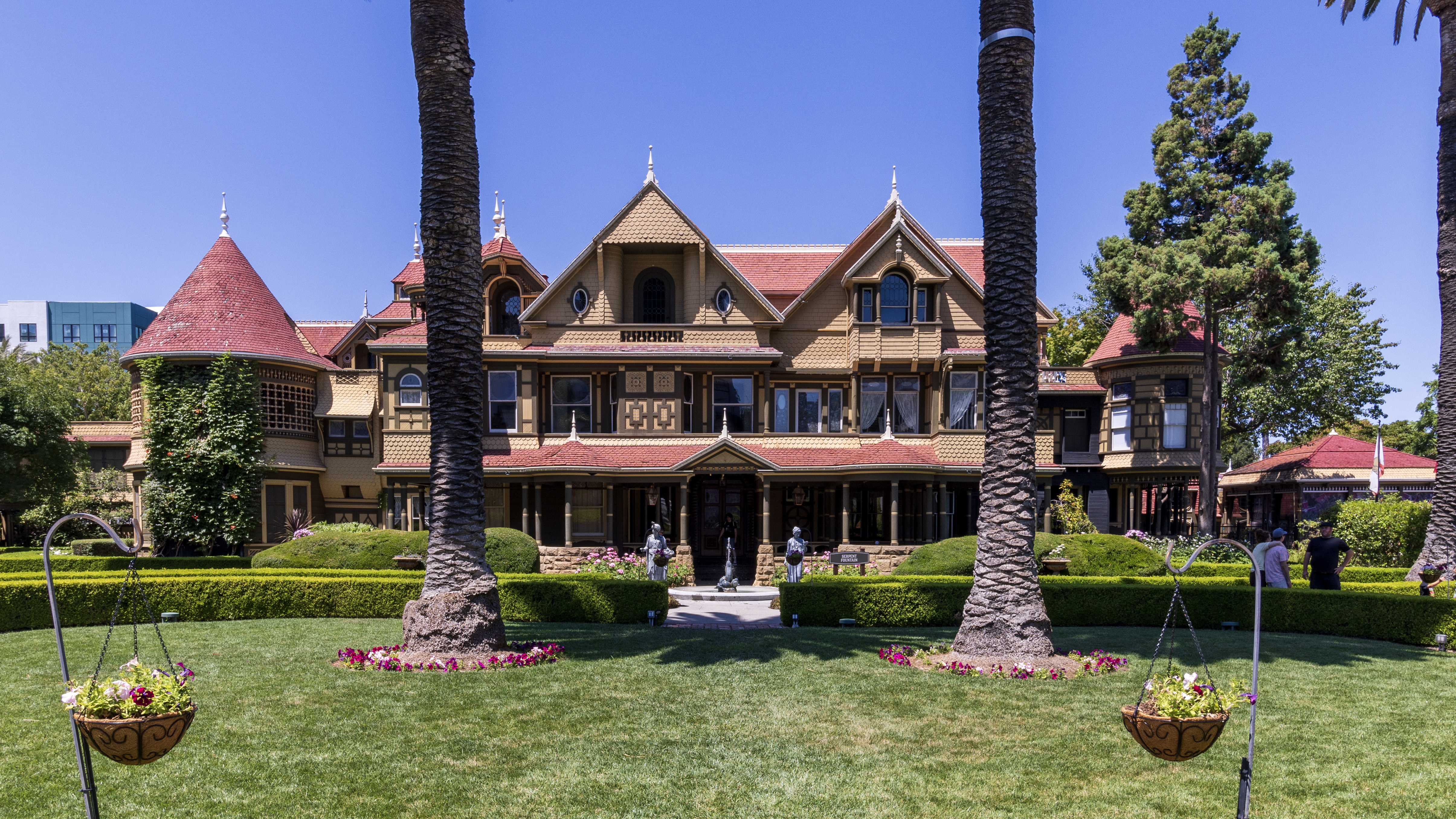
Inspiration type:Architectural Anomaly.
Real-world history:Built by a grieving widow to confuse spirits, this sprawling mansion features stairs that lead directly into ceilings and doors opening to multi-story drops. It is the ultimate real-world example of a house designed to disorient.
Design lesson:Use spatial betrayal. Players fear the place because it refuses to stay consistent, turning normal navigation into psychological pressure.
Himuro Mansion, Japan
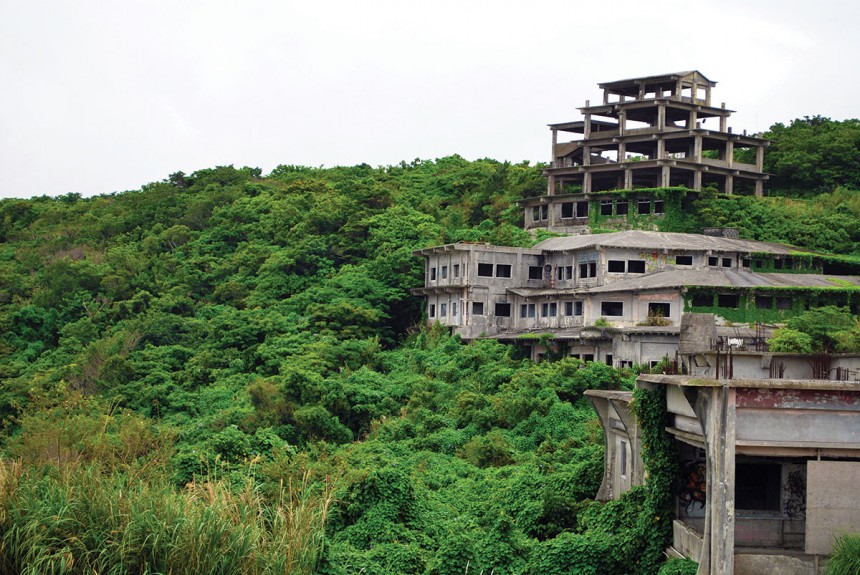
Inspiration type:Urban Legend / Traditional Ruins.
Real-world history:While heavily mythologized in gaming, the concept of the Himuro Mansionan isolated Japanese estate tied to dark rituals, drives the core narrative of Fatal Frame. Developers modeled the game's creeping dread on actual, abandoned traditional estates left to rot deep in the Japanese mountains.
Design lesson:Key-gated backtracking turns familiarity into dread; returning to a dark, paper-walled corridor feels like reopening a wound.
Peleș Castle, Romania
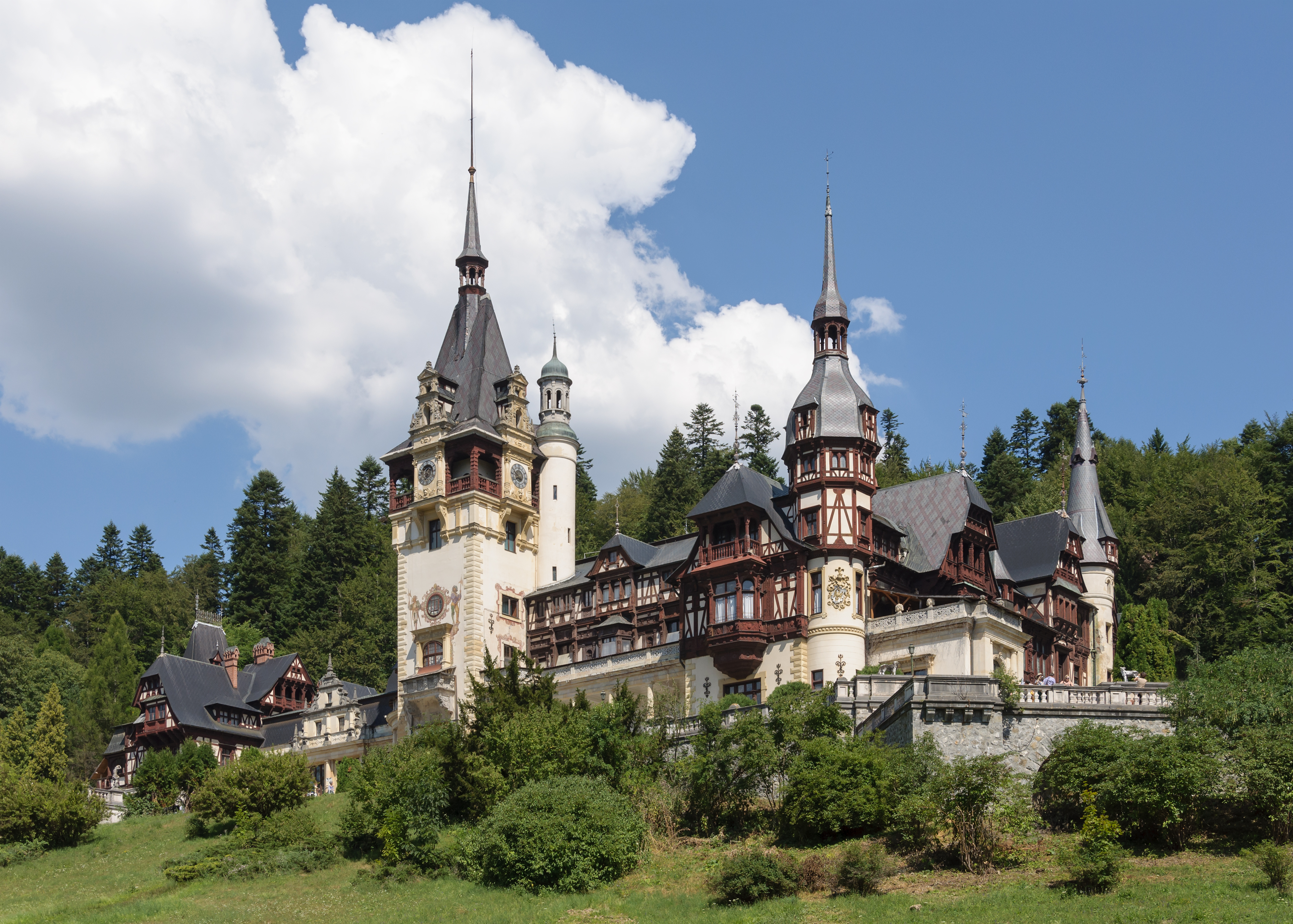
Inspiration type:Direct Architectural Reference.
Real-world history:This neo-Renaissance masterpiece nestled in the Carpathian Mountains drips with Gothic opulence. Capcom developers heavily referenced its ornate woodwork, grand staircases, and imposing exterior to design the magnificent and terrifying Castle Dimitrescu.
Design lesson:Horror peaks when the game removes your usual tools, forcing you to listen to footsteps echoing off marble floors.
The Myrtles Plantation, Louisiana
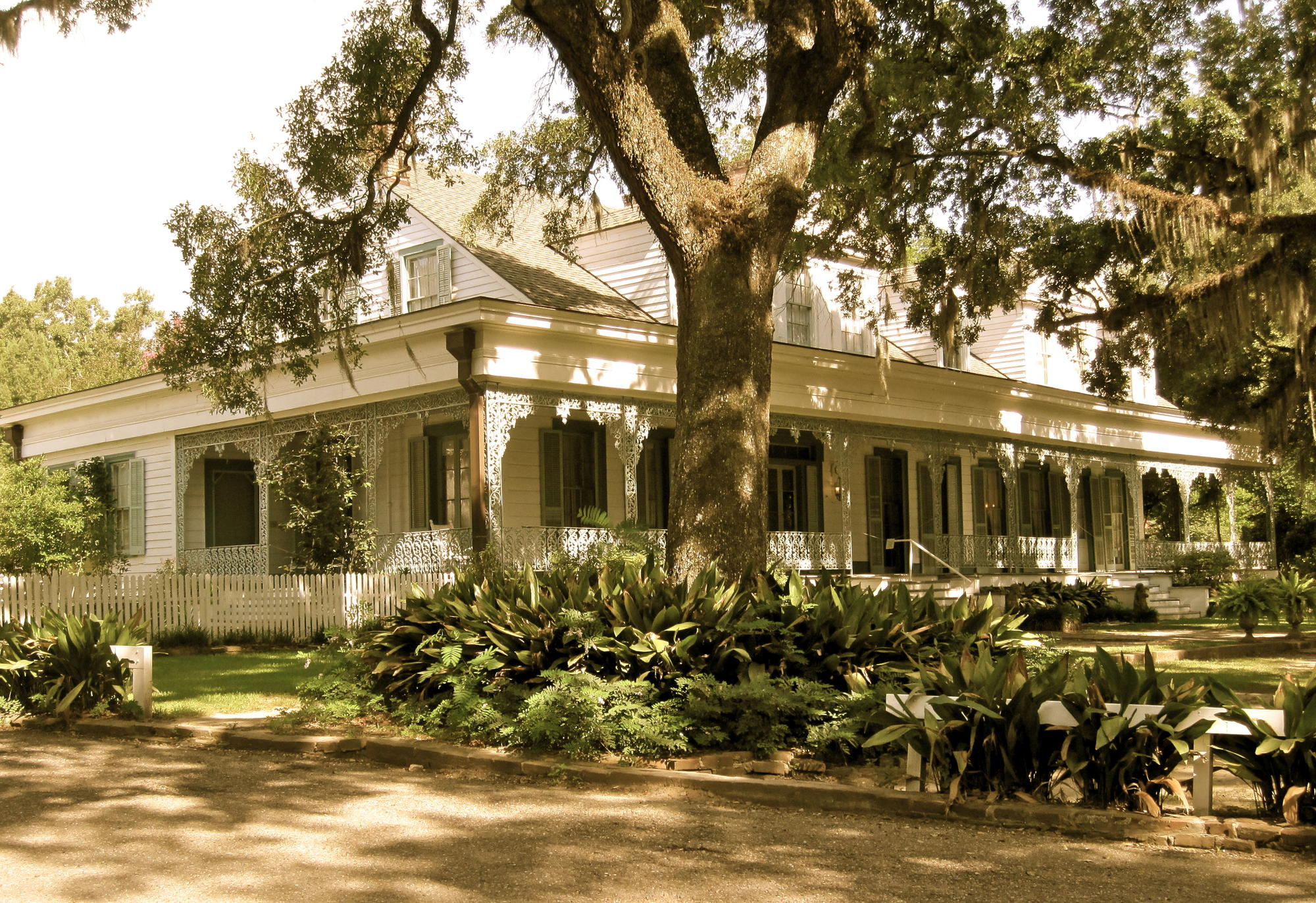
Inspiration type:Atmospheric Echo.
Real-world history:A centuries-old estate shrouded in Spanish moss and a dark, violent history. The humid, decaying Southern Gothic aesthetic of homes like this became the direct blueprint for the terrifying Baker Estate.
Design lesson:Limit space so sound becomes a threat. Tight, rotting wooden hallways make footsteps above you infinitely scarier when you can’t run.
Biltmore Estate, North Carolina
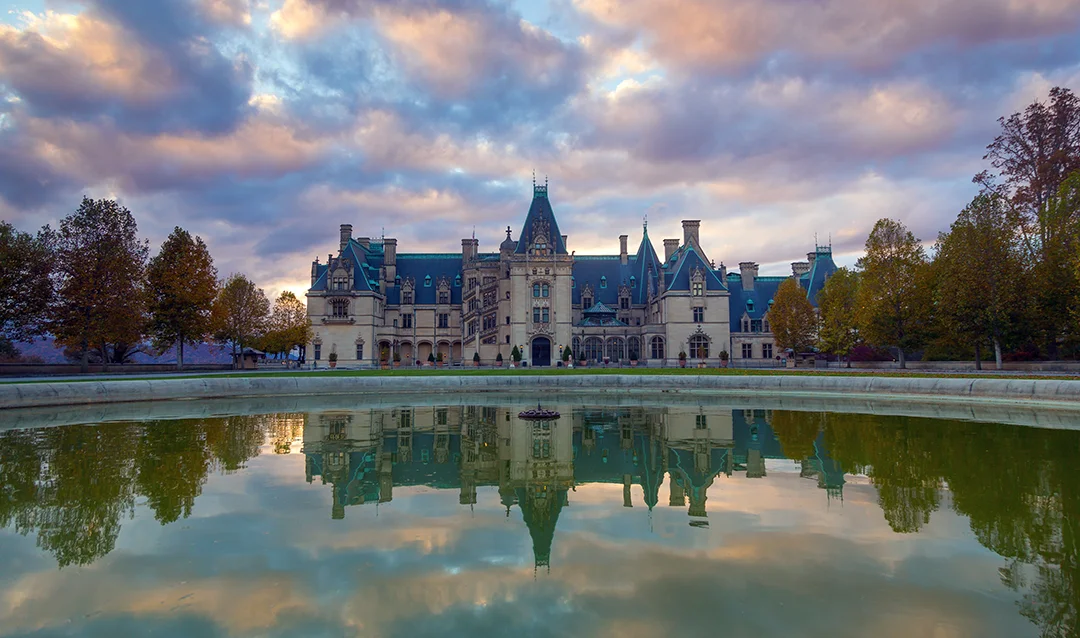
Inspiration type:Genre Blueprint.
Real-world history:The sprawling, labyrinthine nature of Gilded Age mansions like the Biltmore served as a primary archetype for the Spencer Mansion. The juxtaposition of fine art, endless marble halls, and hidden subterranean spaces is a hallmark of survival horror architecture.
Design lesson:Psychological horror works when the environment hides clinical, cold secrets directly beneath the facade of extreme wealth.
Prisons & Punishment Mazes Built For Despair
This chapter delivers the institutional chokehold settings: spaces engineered to remove choice, then abandoned to rot with their purpose intact.
Eastern State Penitentiary, Pennsylvania
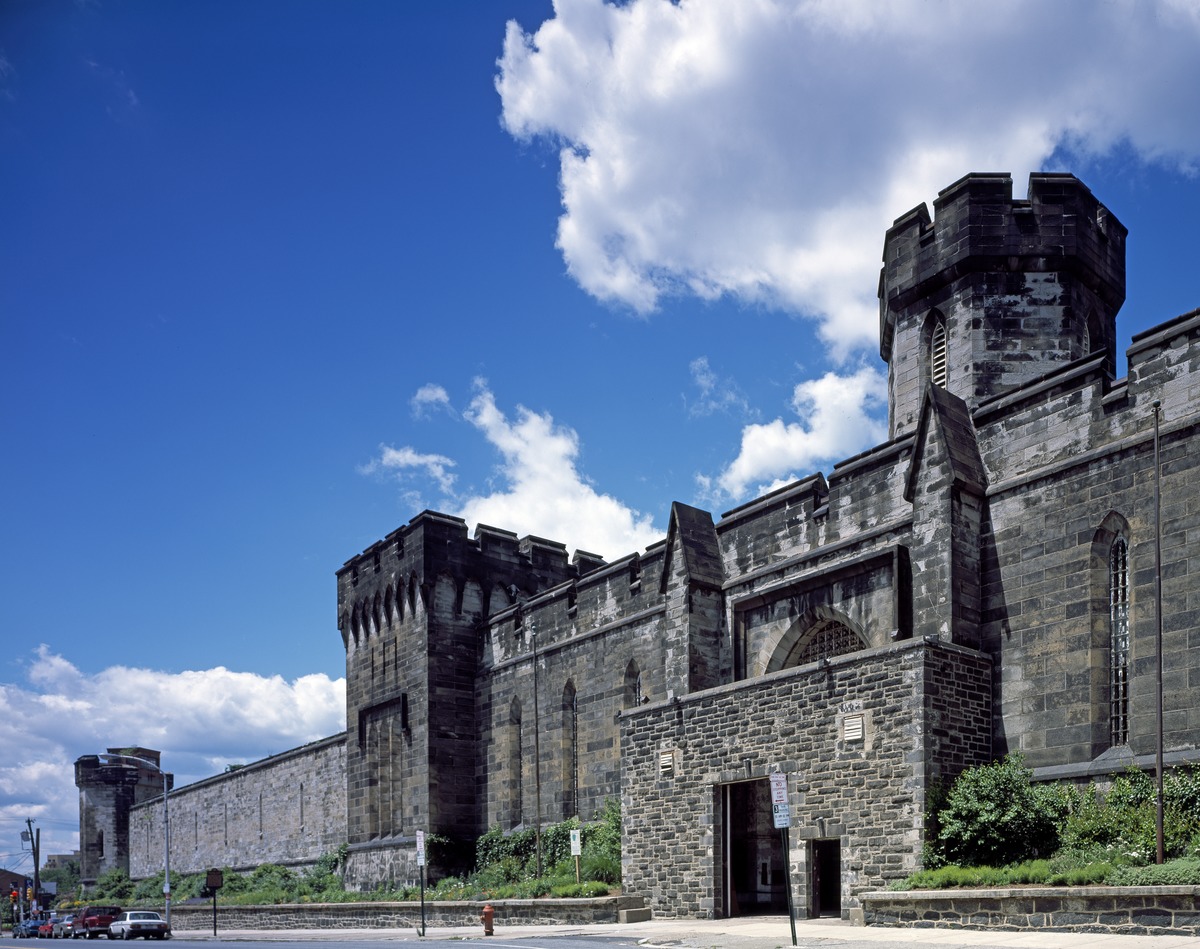
Inspiration type:Direct Architectural Reference.
Real-world history:With its revolutionary radial design and crumbling, vault-like cell blocks, Eastern State was designed purely for solitary confinement and psychological breaking. Its imposing, decaying panopticon directly inspired the demonic Abbott State Penitentiary.
Design lesson:Prisons carry built-in dread because the architecture already encodes punishment, surveillance, and suffering.
Alcatraz Island, California

Inspiration type:Real-site anchored.
Real-world history:The inescapable island fortress in the freezing waters of San Francisco Bay is a monument to despair. The rusting cell blocks, morgue, and industrial laundry rooms were meticulously recreated and infested with zombies in gaming's most claustrophobic survival map.
Design lesson:Strip the palette and inflate the echo. The isolation of the island means the player's mind supplies the violence that the cold walls imply.
Ohio State Reformatory, Ohio
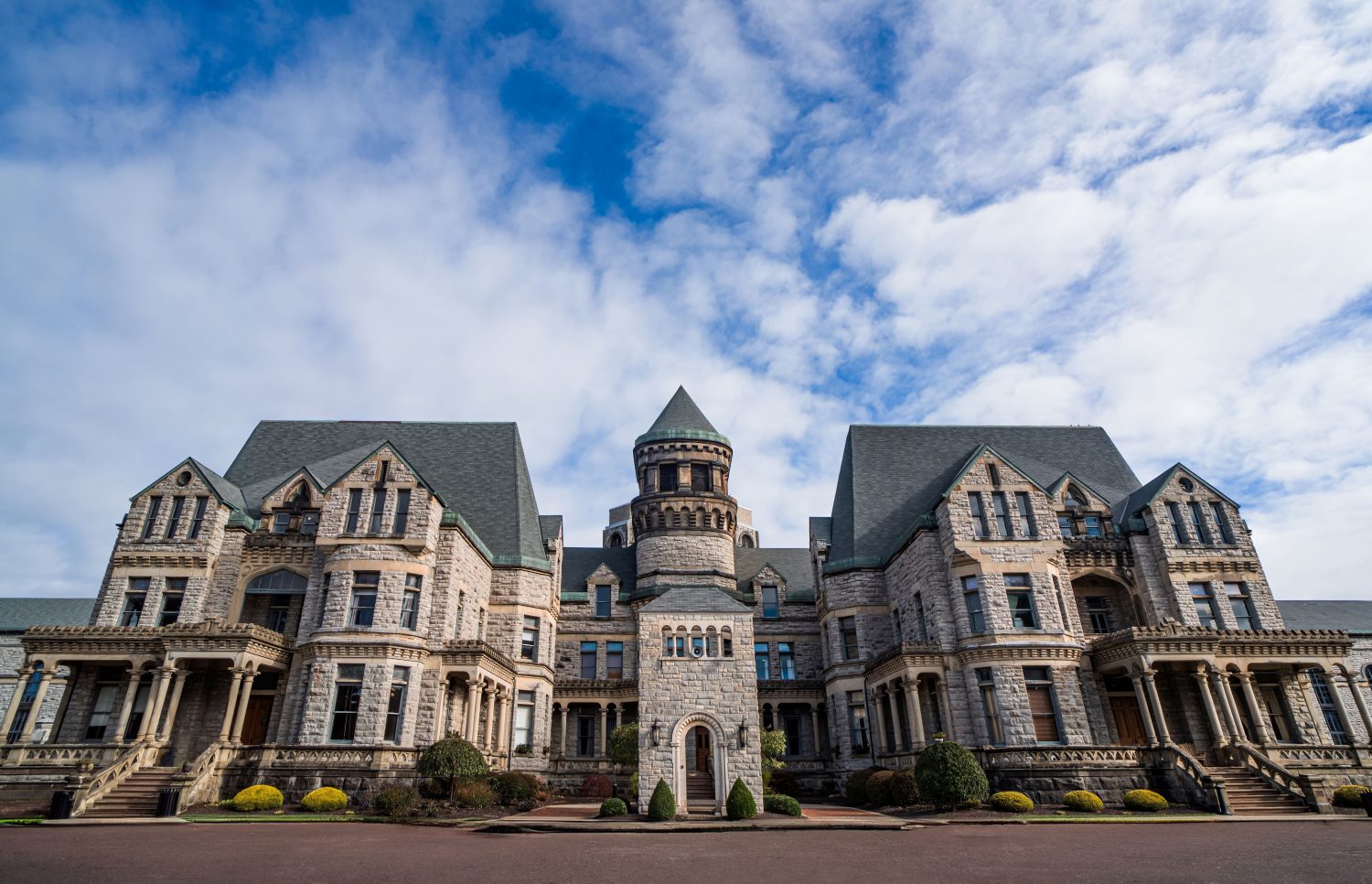
Inspiration type:Atmospheric Echo.
Real-world history:Famous for its imposing castle-like exterior, the peeling paint and rusting iron tiers of this reformatory are genuinely unsettling. It heavily influenced the design of Overlook Penitentiary, a central nightmare location in the Silent Hill universe.
Design lesson:A ruined prison is frightening because it suggests the system failed and something terrible got out.
Old Charleston Jail, South Carolina
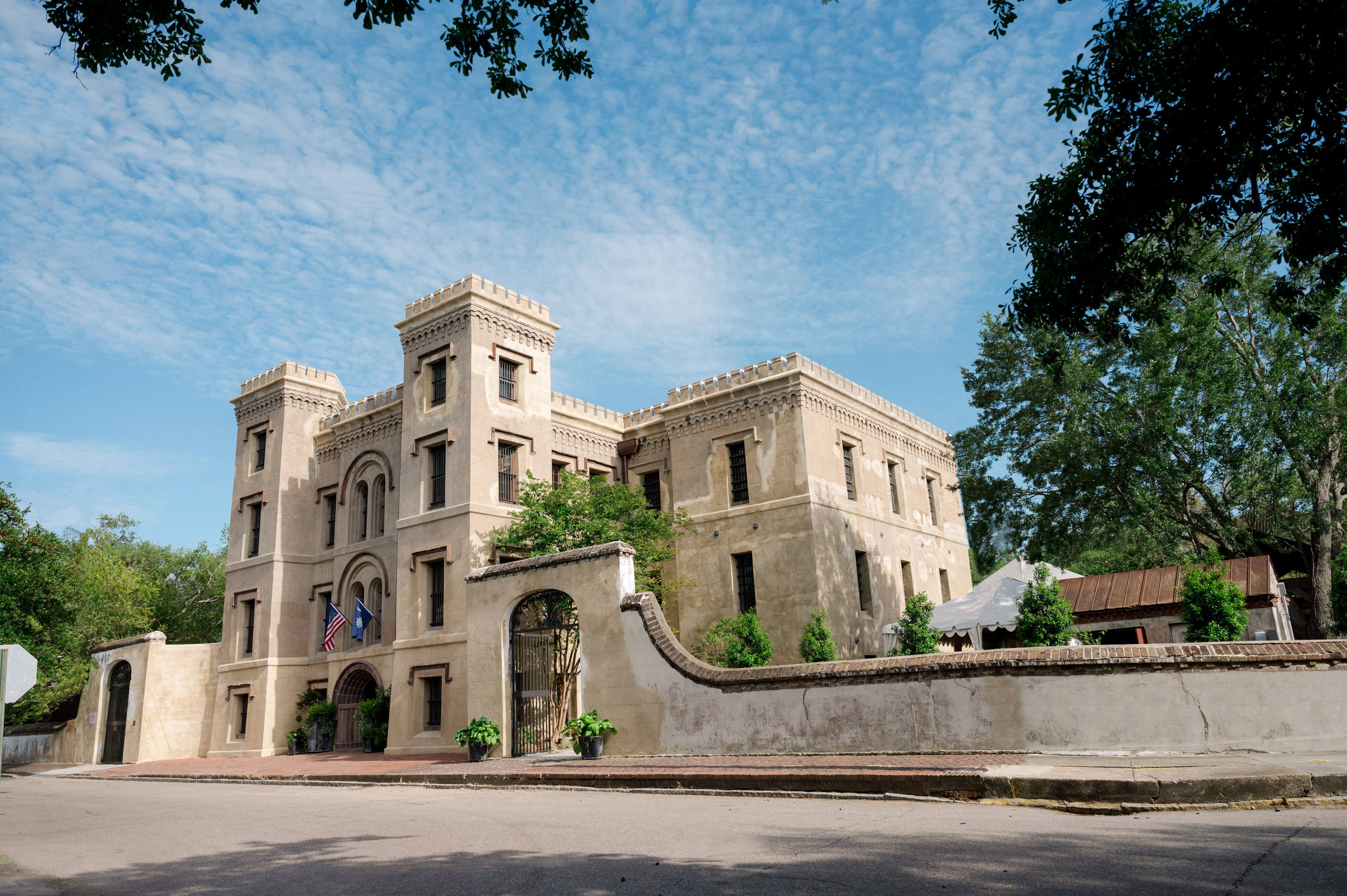
Inspiration type:Genre Blueprint.
Real-world history:Operating from 1802 until 1939, this South Carolina jail is a brutal, Romanesque structure. Its swamp-adjacent decay and 19th-century griminess perfectly match the humid, decaying aesthetic of the bayou prisons in modern multiplayer horror.
Design lesson:Even when abandoned, an asylum or jail can feel completely devoid of morality. The environment itself says: no one is coming to help you.
Moundsville Penitentiary, West Virginia
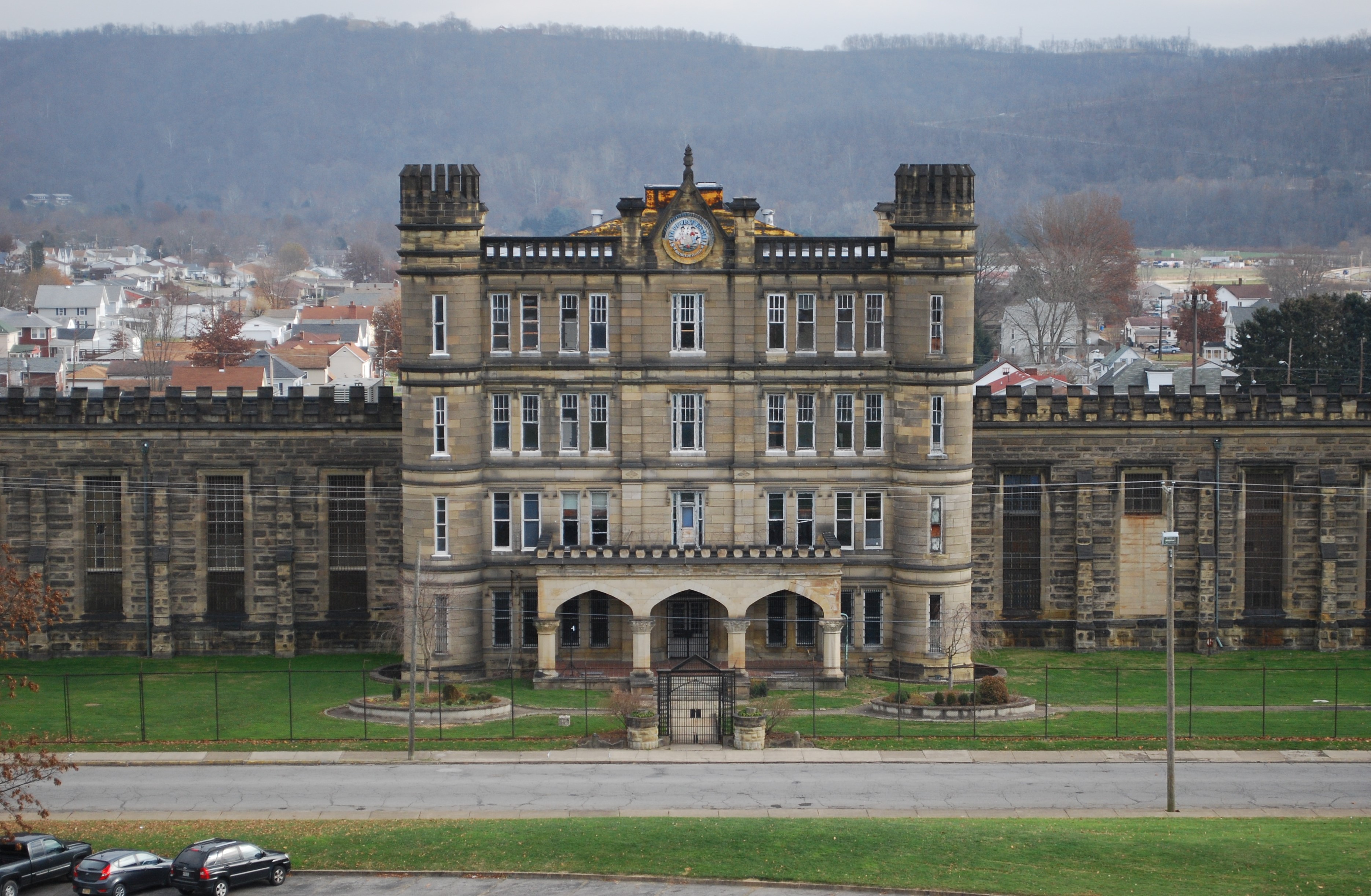
Inspiration type:Genre archetype.
Real-world history:A Gothic-style West Virginia prison that saw riots, fires, and brutal violence. The towering stone walls, claustrophobic cells, and riot-scarred interiors heavily influenced the chaotic, blood-soaked ward designs of the Outlast DLC.
Design lesson:Blend the fear of incarceration with the fear of lost control; a prison run by the inmates is pure architectural panic.
Derelict Ships, Space Hulks & Offshore Nightmares
This chapter gives you abandonment in motion, or what used to move. Ships and stations are perfect horror machines: corridors, airlocks, and nowhere to flee.
SS Ourang Medan

Inspiration type:Historical Folklore.
Real-world history:A legendary ghost ship allegedly found drifting in the 1940s with its entire crew deceased and frozen in terrified postures. It serves as the literal foundation for Supermassive Games' nautical horror, proving that maritime legends are perfect for gaming.
Design lesson:Claustrophobia is amplified when the player senses the crushing depth and pressure of the ocean right outside the steel hull.
The Mir Space Station
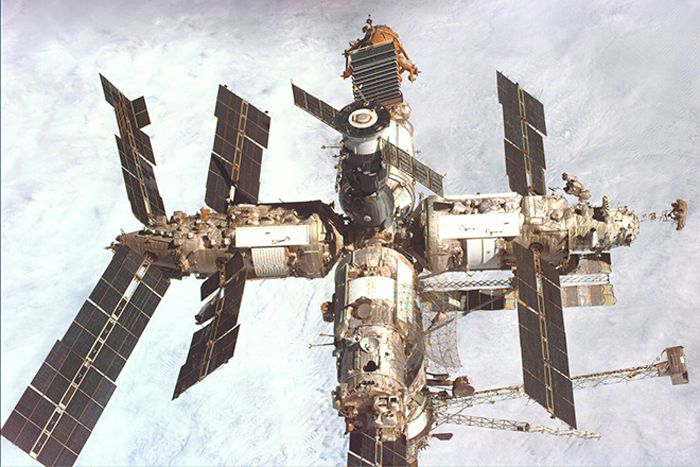
Inspiration type:Conceptual Blueprint.
Real-world history: Before being de-orbited, this aging Soviet station suffered fires, collisions, and systemic failures. The reality of a claustrophobic, life-threatening metal tube tumbling through the dark, cold void is the exact blueprint for the USG Ishimura and Sevastopol Station.
Design lesson:Ship as an organism works because players read rusting, groaning metal and failing life support as an infection spreading through a body.
Maunsell Sea Forts, UK
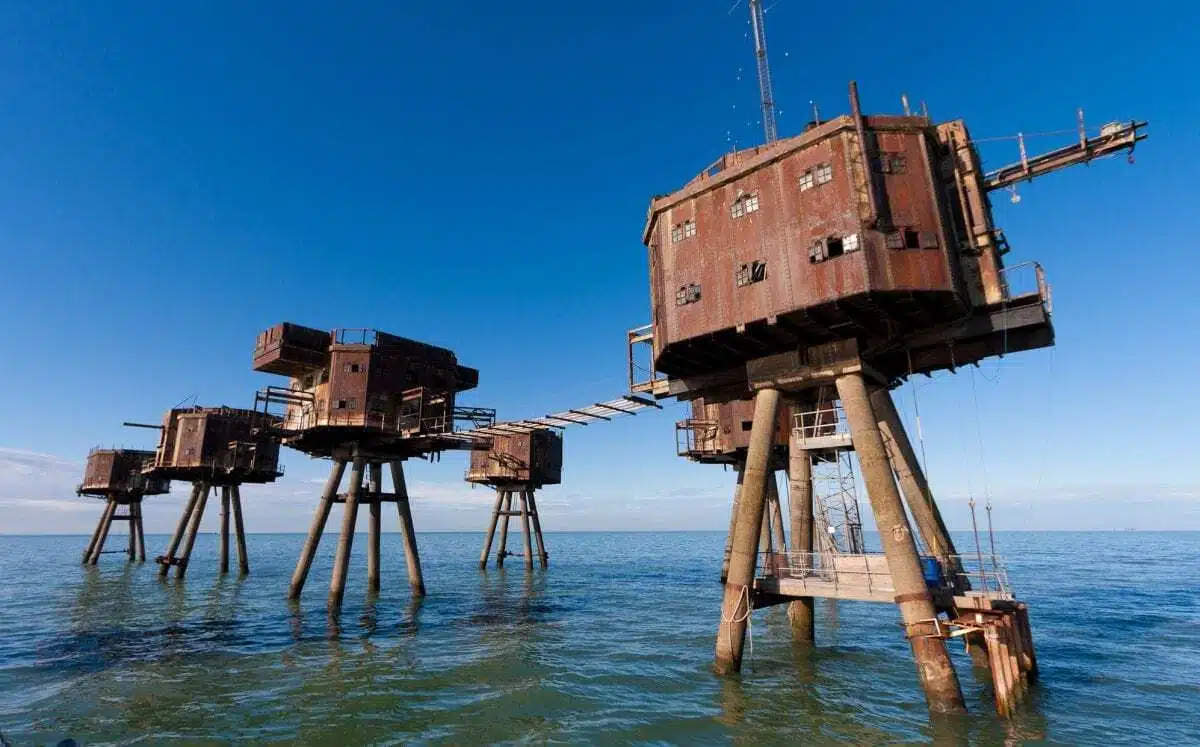
Inspiration type:Atmospheric Echo.
Real-world history:These rusting, heavily armed anti-aircraft towers stand on stilts in the middle of the North Sea. Today, they look like towering, decaying metal monsters totally isolated from humanity, heavily inspiring the rusting offshore horrors of deep-sea gaming.
Design lesson:Make the place believable enough that the fear feels plausible. Industrial rust and isolation turn basic survival into absolute dread.
The Queen Mary, California
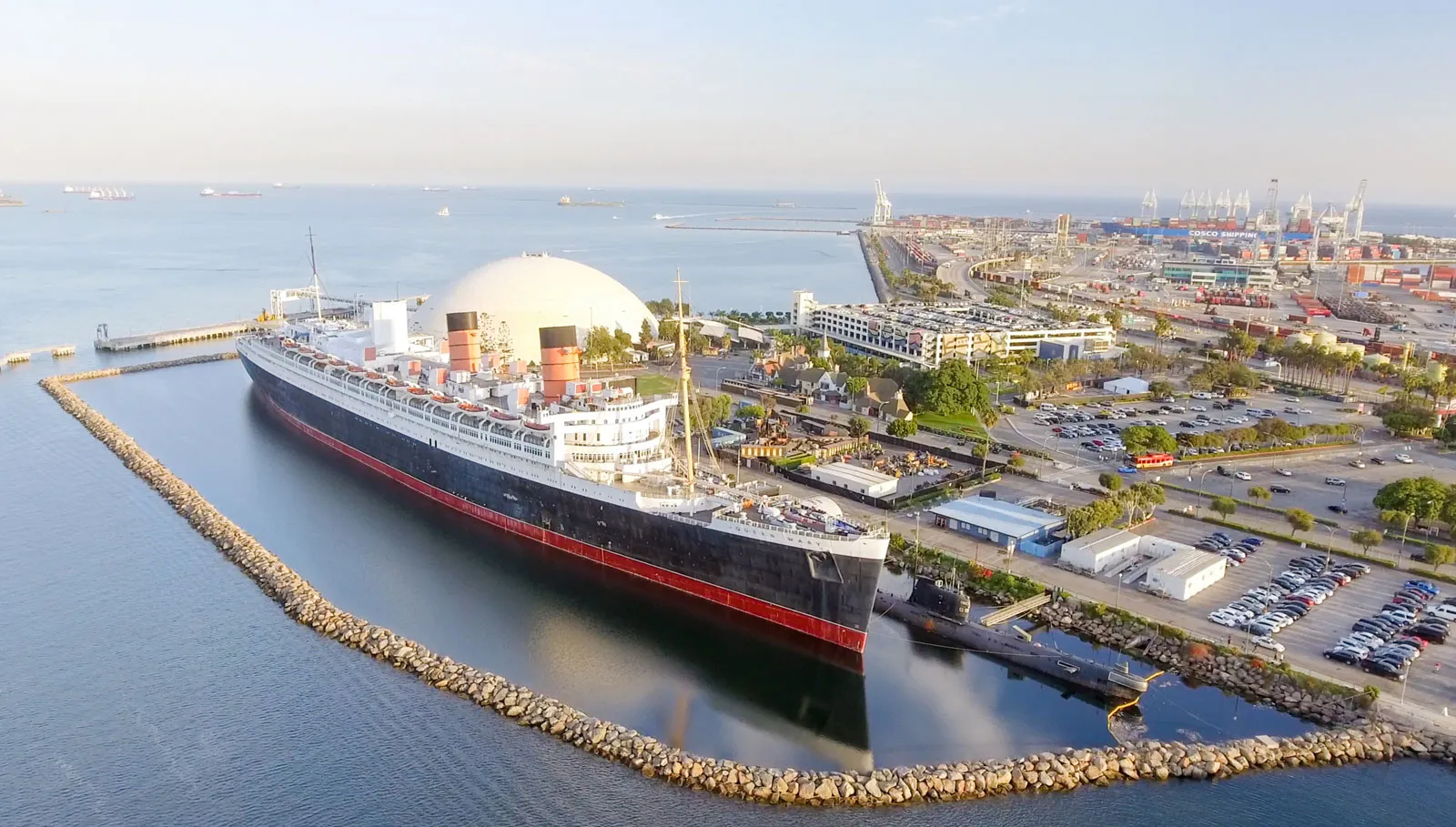
Inspiration type:Real-site anchored.
Real-world history:A retired British ocean liner with a notoriously haunted reputation. Its narrow, endless Art Deco corridors, vintage cabins, and massive engine rooms perfectly capture the paranoia of early 20th-century ocean travel turned nightmare.
Design lesson:Horror sharpens when the environment offers endless, repeating doors. The opulence of the ship sharply contrasts with the feeling of being trapped.
MS World Discoverer, Solomon Islands

Inspiration type:Visual Archetype.
Real-world history:A half-sunken luxury cruise ship rusting away in a remote bay, slowly being swallowed by the sea and jungle. The juxtaposition of a luxury liner rotting in the elements is the perfect visual cue for maritime survival horror.
Design lesson:Contrast is king. Taking spaces meant for luxury and leisure and filling them with rust and contamination turns comfort into a cruel joke.
Underground Facilities, Labs & Bunkers Where The Lights Lie
This chapter gives you the sealed-off truthsettings: labs, bunkers, containment sites/places designed to keep danger in, then abandoned when they couldn’t.
Dulce Base / Area 51, American Southwest
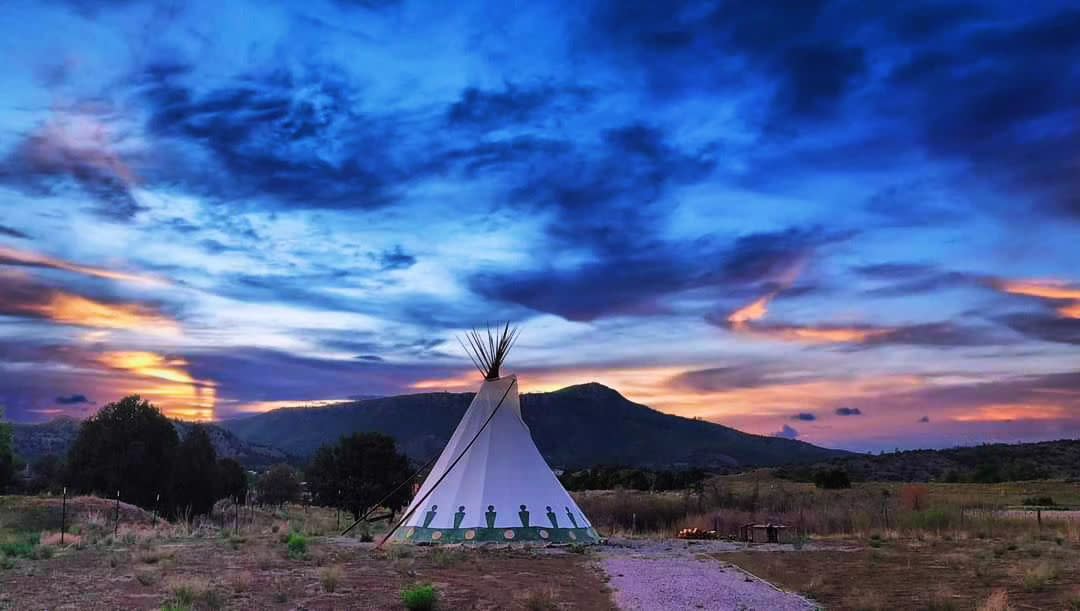
Inspiration type:Urban Legend & Military Architecture.
Real-world history:While officially military testing sites, the enduring urban legends of vast, multi-level subterranean laboratories in New Mexico and Nevada fuel gaming paranoia. The aesthetic of concrete bunkers hiding horrific biological experiments is the foundational blueprint for gaming's most terrifying underground facilities.
Design lesson:Reveal the real setting late. The fear spikes when the player realizes a simple surface building hides a sprawling, sterile labyrinth below.
Duga Radar Station & Command Bunkers, Ukraine
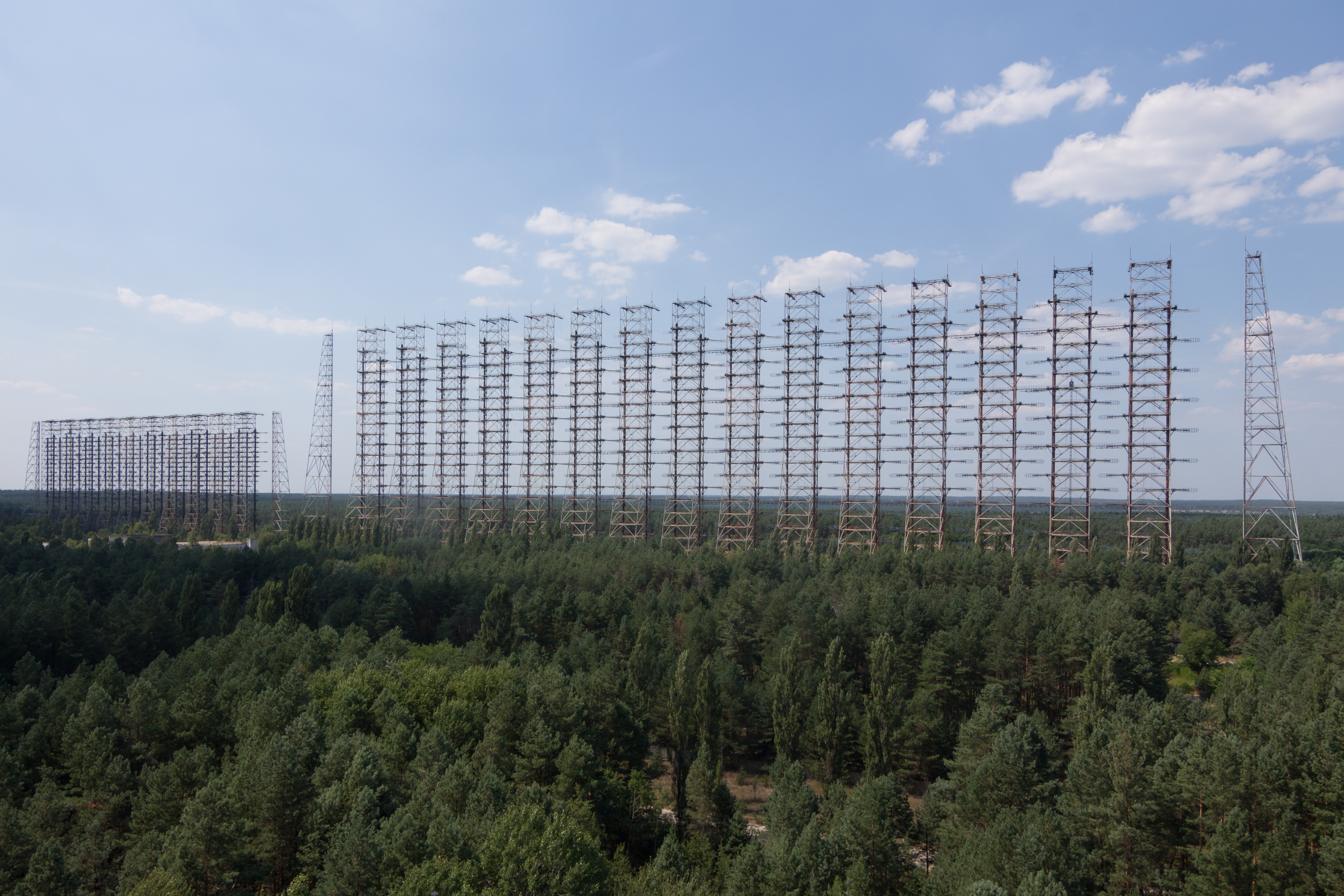
Inspiration type:Real-site anchored.
Real-world history:Looming over the Ukrainian forests, this massive Soviet over-the-horizon radar is surrounded by decaying command bunkers. Its colossal, rusting framework and subterranean control rooms are a monument to Cold War paranoia, meticulously mapped by modern developers.
Design lesson:Sterile, mechanical spaces make organic horrors louder. The contrast of rusted tech against supernatural anomalies turns every dark corner into a threat.
Maginot Line Fortifications, France
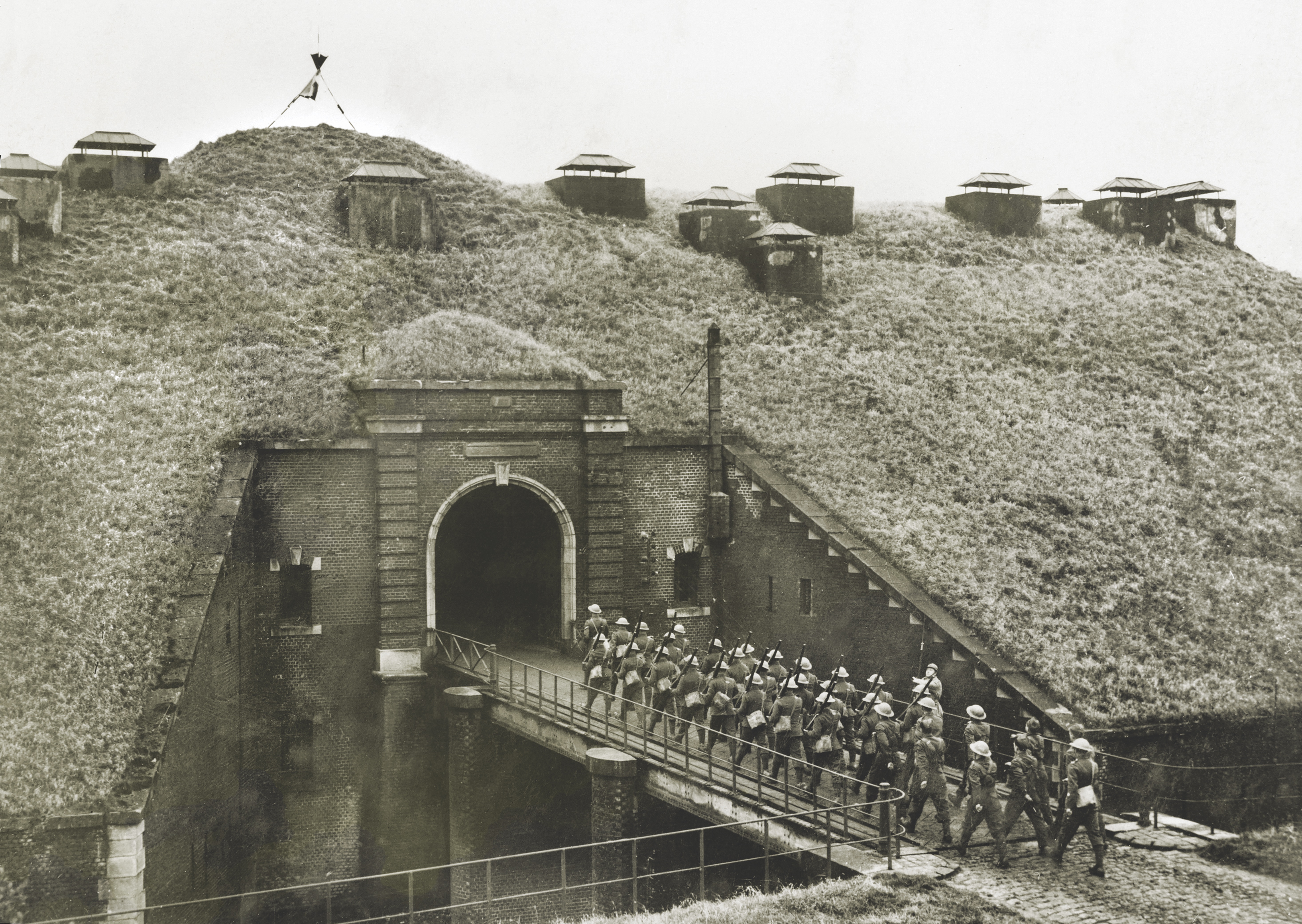
Inspiration type:Historical Echo.
Real-world history:A massive network of subterranean concrete forts built before WWII. These damp, dark, and endless underground tunnels, complete with heavy iron doors and echoing chambers, perfectly capture the claustrophobia and despair of trench warfare horror.
Design lesson:Scarcity makes fear tactile. When you are deep underground with limited light and thick concrete walls, every loud noise feels like a death sentence.
The Burlington Bunker / Corsham Computer Centre, UK
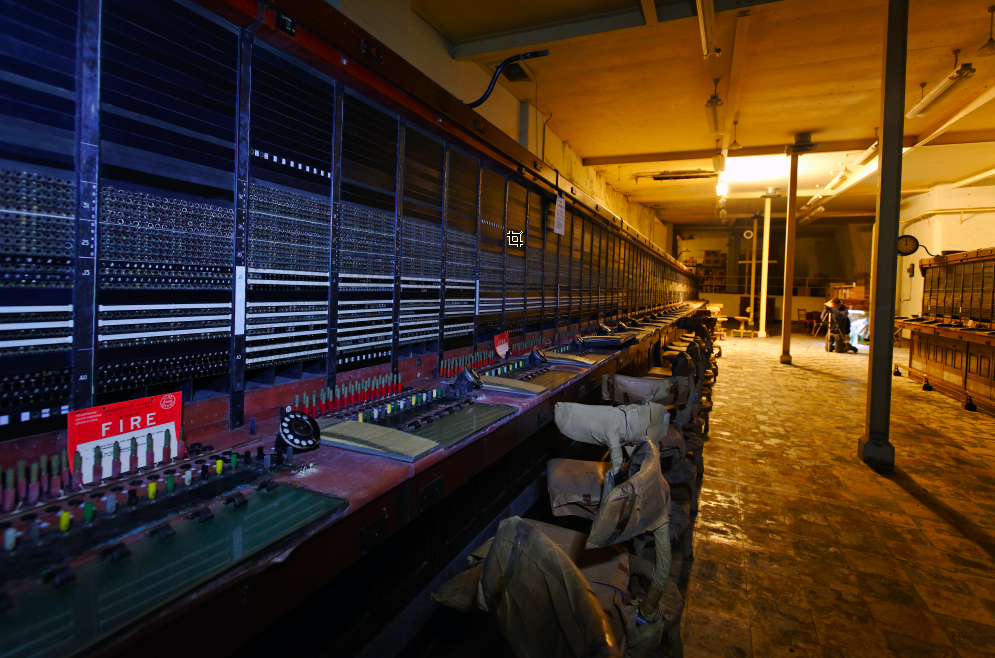
Inspiration type:Genre Blueprint.
Real-world history:A massive, declassified Cold War city built under the English countryside to house the government in case of nuclear war. It's miles of abandoned, fluorescent-lit corridors and aging technology are the perfect eerie template for subterranean containment facilities.
Design lesson:Procedural spaces are scary when procedures fail. Players fear the breakdown of highly organized, bureaucratic systems more than the monsters themselves.
Svalbard Global Seed Vault, Norway
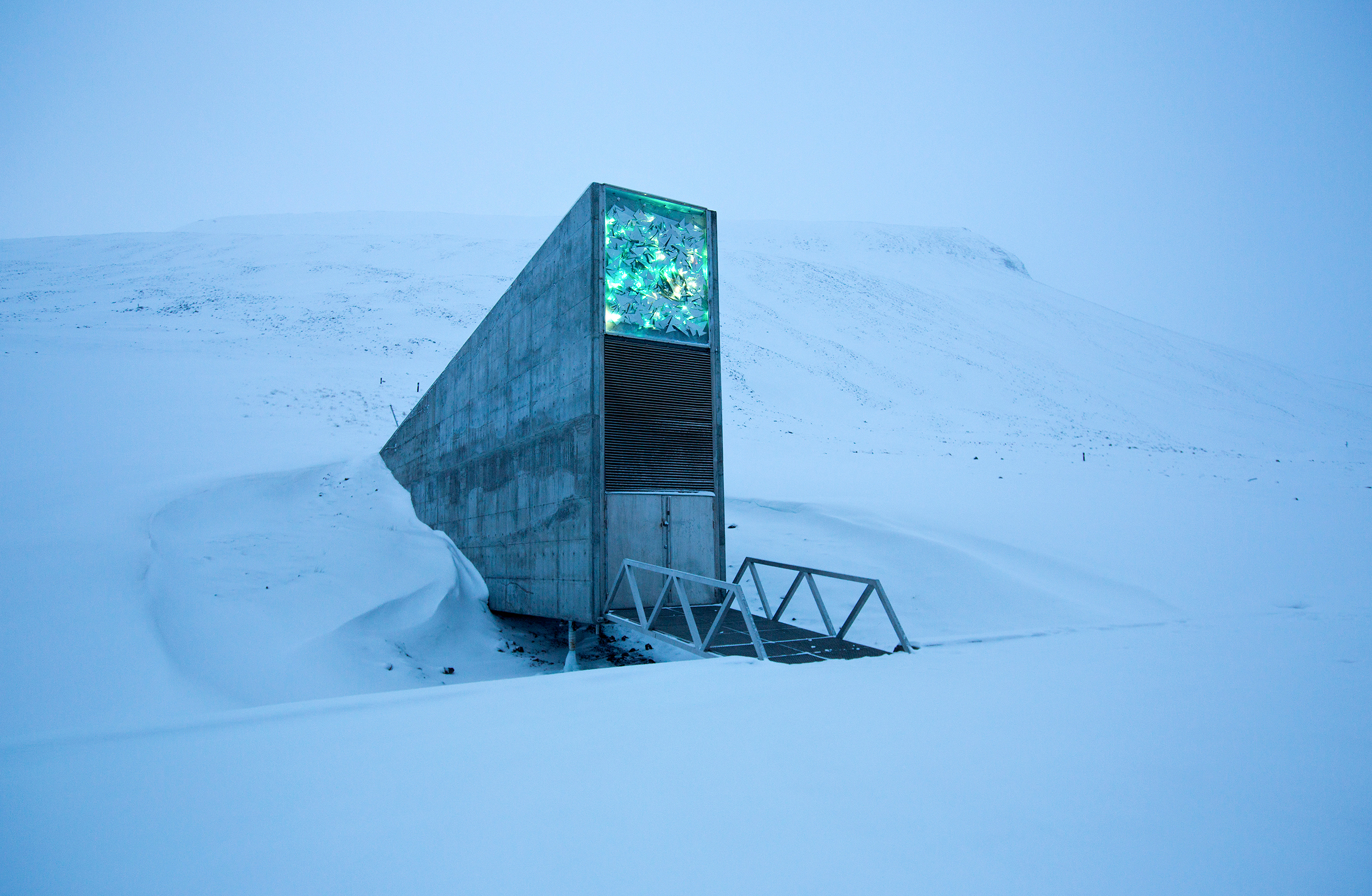
Inspiration type:Conceptual Blueprint.
Real-world history:Plunged deep into the Arctic ice, this monolithic concrete wedge guards humanity's agricultural future. While not abandoned, the concept of an isolated, freezing, heavily fortified bunker at the edge of the world inspires the ultimate last outpost dread found in games like SOMA and The Thing.
Design lesson:Isolation is environmental. Even a well-lit, functioning room becomes terrifying if the player knows there is absolutely nothing but miles of deadly ice outside the reinforced doors.
Abandoned FunTheme Parks, Resorts & Malls That Rot The Soul
This chapter gives you the carnival decay archetype: laughter fossilized into rust, bright colors fading into threat.
Nara Dreamland, Japan
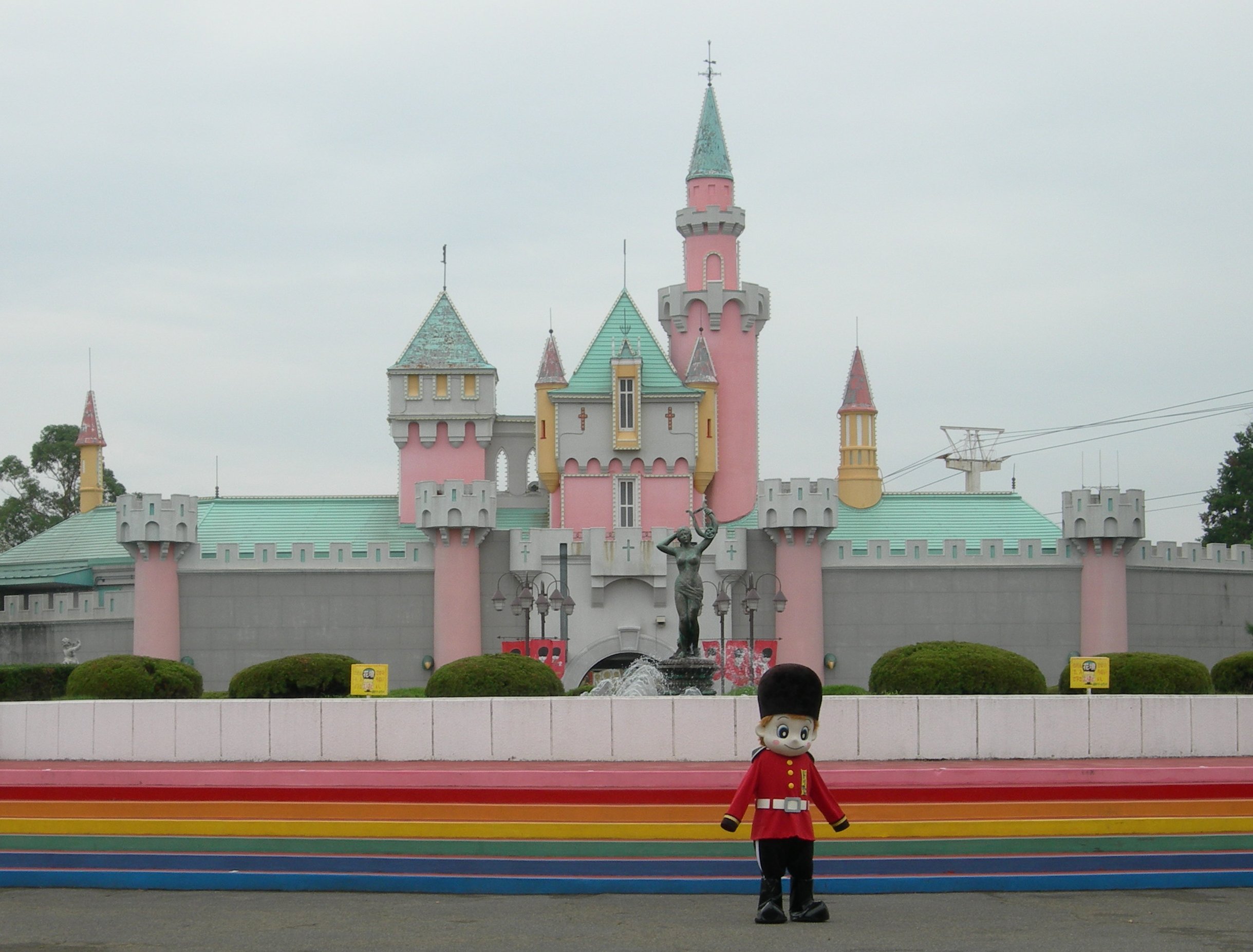
Inspiration type:Direct Architectural Reference.
Real-world history:Built as a Japanese answer to Disneyland, Nara Dreamland was abruptly abandoned and left to rust. Its wooden coasters rotting and fairy-tale castles peeling provided the disturbing, decaying imagery that directly inspired the terrifying Lakeside Amusement Park.
Design lesson:Amusement spaces already contain controlled fear. Horror games invert that control so the bright colors and forced smiles become a very real, uncanny threat.
Hotel Cracovia, Poland
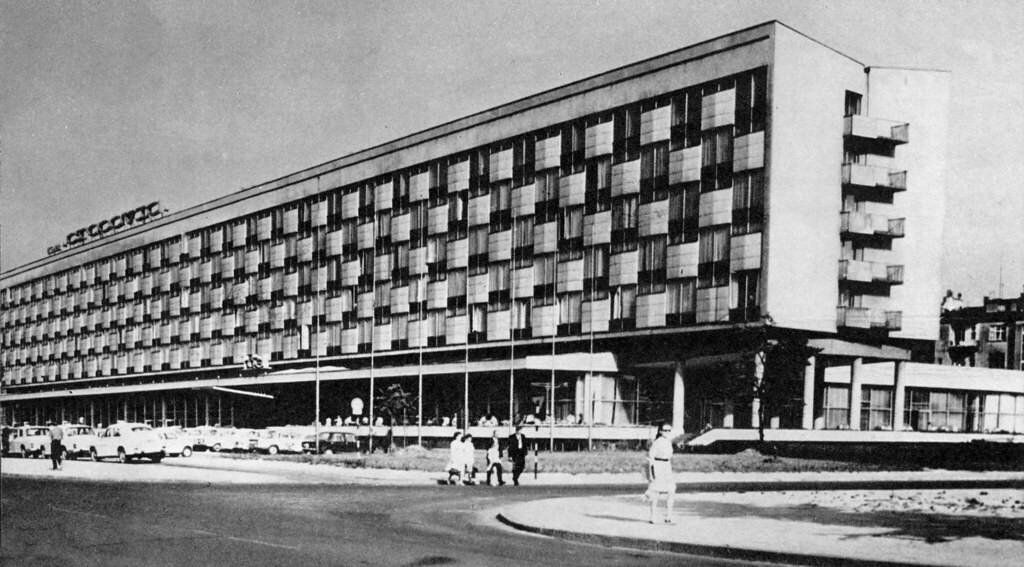
Inspiration type:Real-site anchored.
Real-world history:A masterpiece of Polish modernist architecture, the Hotel Cracovia sat abandoned and decaying for years. Bloober Team actually scanned and mapped its sweeping 1960s lobby, brutalist lines, and desolate rooms to create the haunting Niwa Workers' Resort.
Design lesson:Abandonment hits harder when the location was meant to be luxurious and full of life. The decay of a grand resort becomes a tragic narrative in itself.
Dixie Square Mall, Illinois
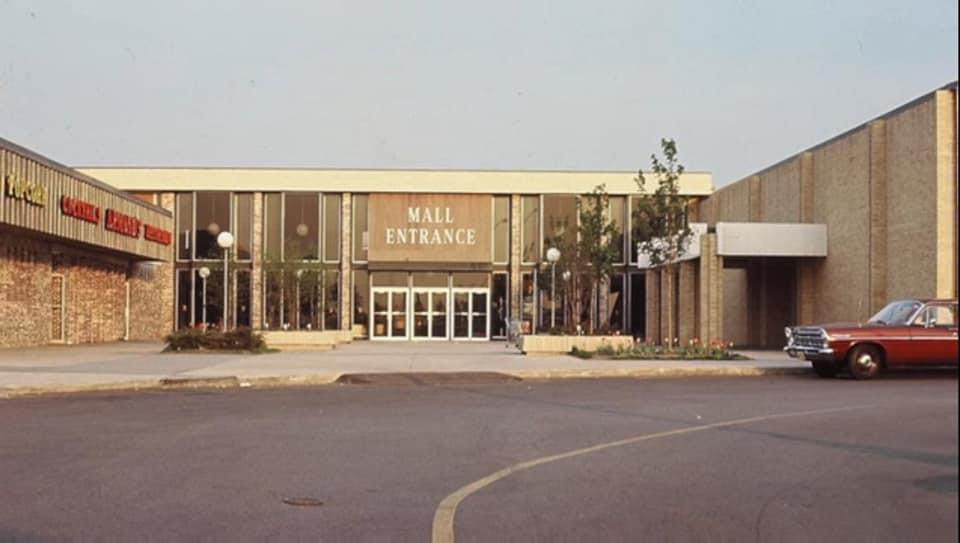
Inspiration type:Genre Archetype.
Real-world history:Famous for being destroyed in a classic film, this dead mall sat rotting in the elements for decades. The aesthetic of shattered storefronts, overgrown food courts, and abandoned consumerism perfectly captures the chaotic mall sieges of modern zombie shooters. If you love the abandoned mall + zombie siege energy but want something you can jump into in short mobile sessions, BGMI’s payload and zombie modesscratch a similar survival experience.
Design lesson:Malls are social machines. When abandoned, they feel uncanny because they are explicitly built for massive crowds and suddenly aggressively reject them.
Six Flags New Orleans, Louisiana
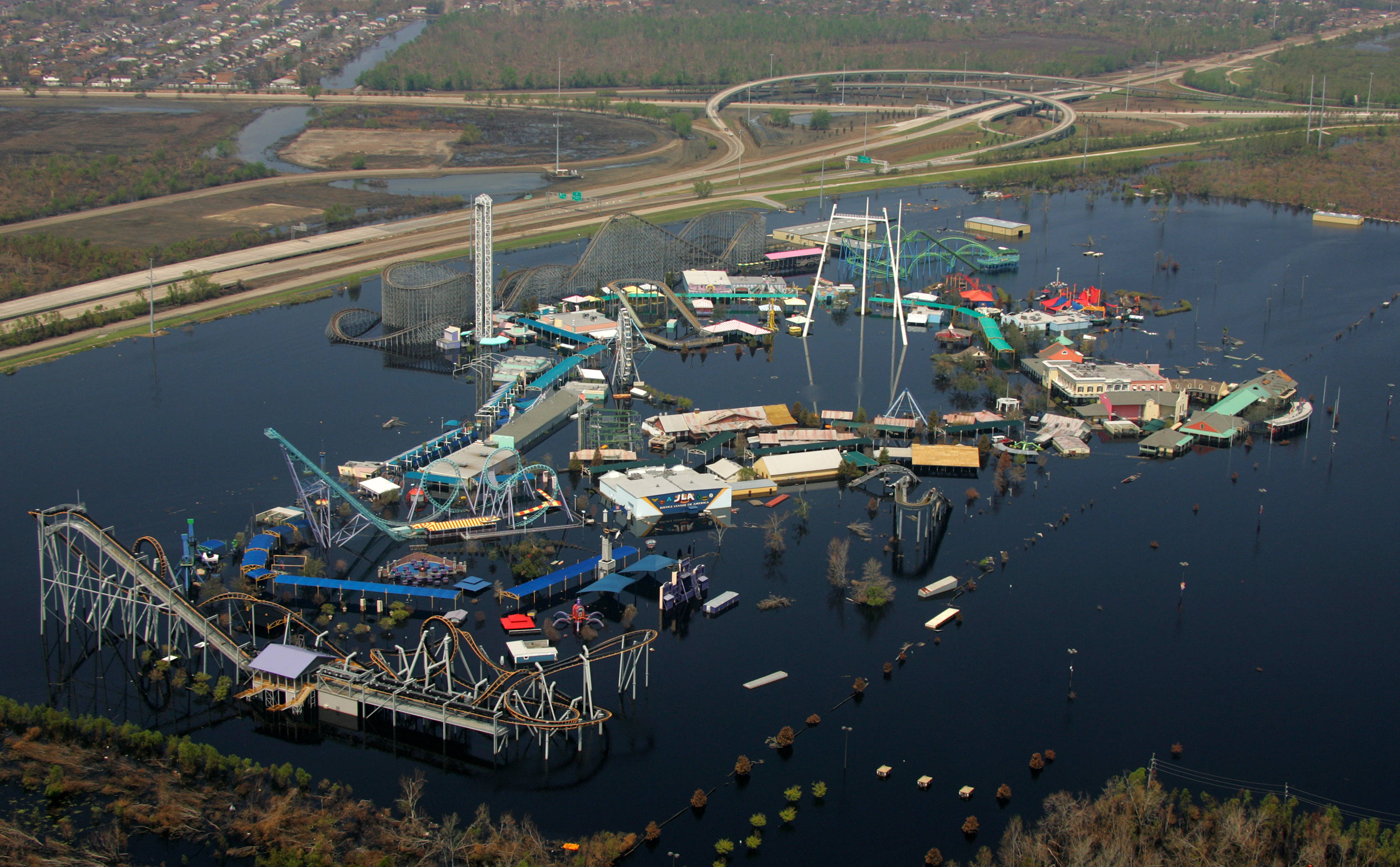
Inspiration type:Atmospheric Echo.
Real-world history:Destroyed by a hurricane and left sitting in floodwaters, this park is a modern, tragic ruin. The sight of flooded, rusting roller coasters and moss-covered clown statues provides a deeply unsettling visual language for psychological horror.
Design lesson:Wide-open spaces can still feel incredibly claustrophobic when the environment itself is hostile, flooded, and inescapable.
The Stanley Hotel, Colorado
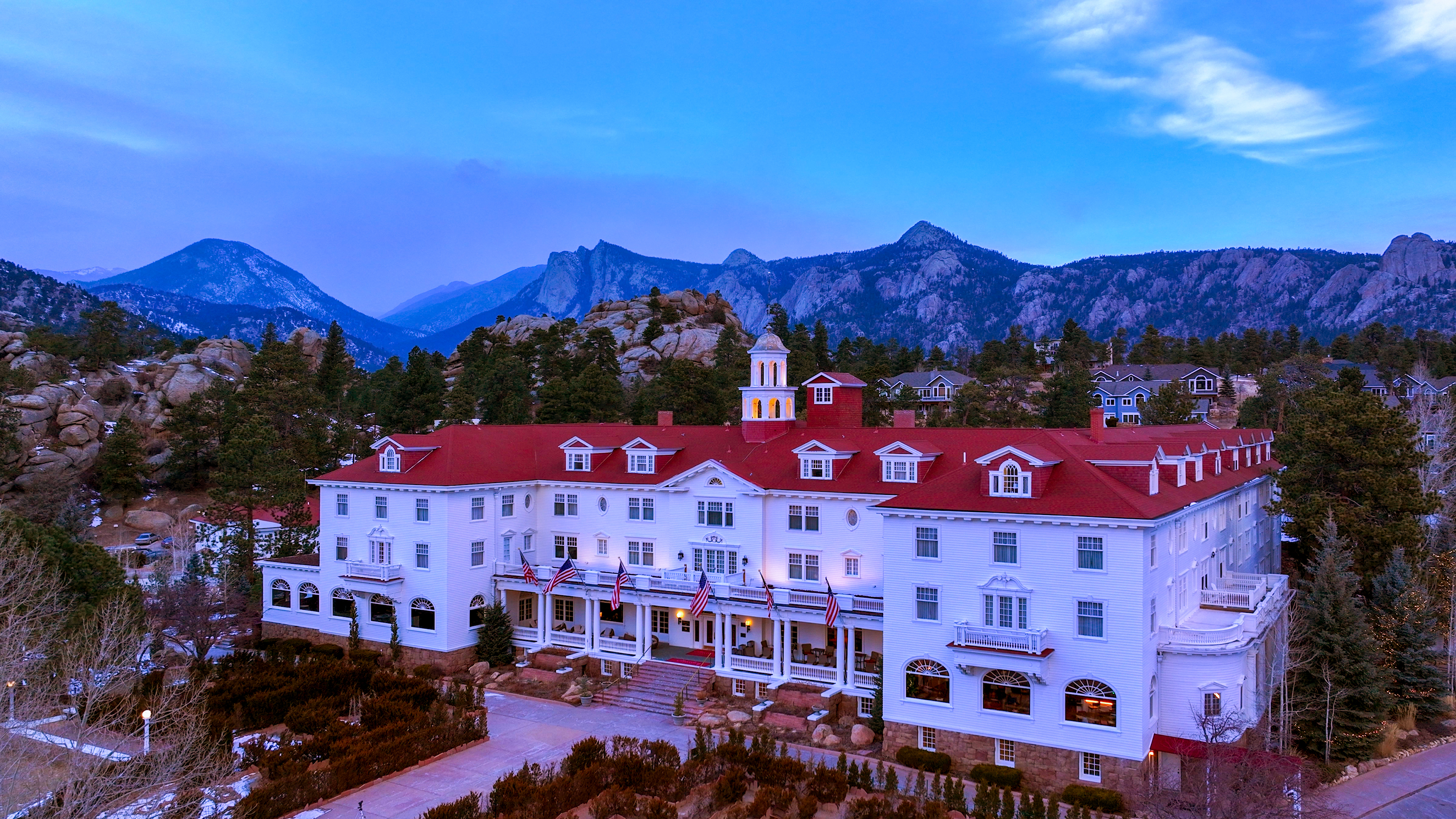
Inspiration type:Genre Blueprint.
Real-world history:While famously inspiring Stephen King, this sprawling, isolated mountain hotel casts a long shadow over gaming. The grand, echoing hallways, vintage patterned carpets, and maze-like layout heavily inspired the shifting Oceanview Hotel in Remedy's connected universe.
Design lesson:Hotels are perfect horror maps because they are highly private spaces stacked tightly on top of each other, creating a terrifying maze of identical, locked doors.
Remote Settlements, Forest Roads & Mines That Swallow People Whole
This chapter delivers edge-of-the-map horror villages, forests, minesplaces abandoned places, where the environment itself feels predatory.
Chichibu Mining Village, Japan
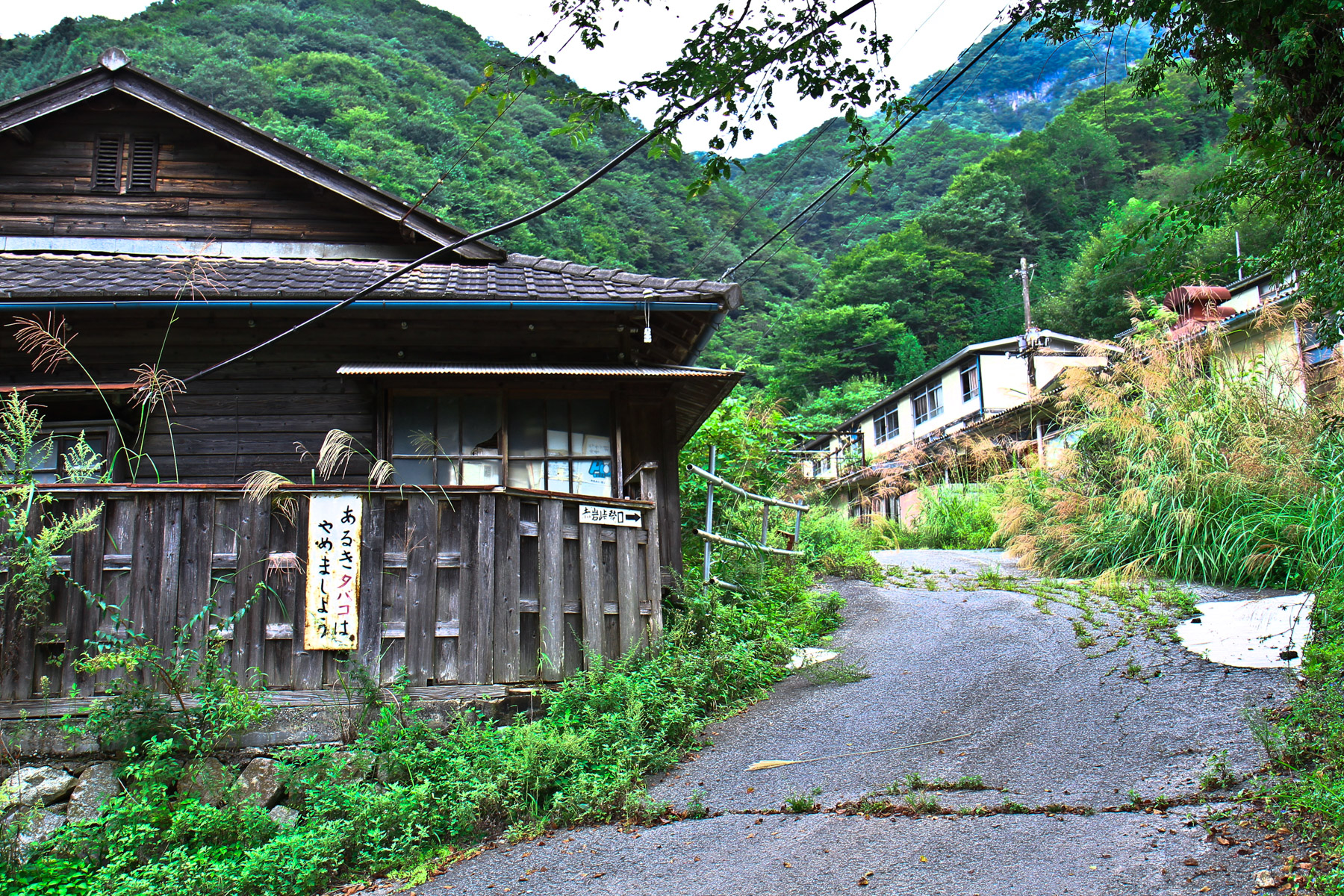
Inspiration type:Direct Architectural Reference.
Real-world history:Hidden deep in the mountains of Saitama Prefecture, these abandoned mining structures and workers' dormitories are slowly being swallowed by the dense forest. This profound, quiet isolation formed the exact atmospheric foundation for Hanuda Village.
Design lesson:Tight, winding village layouts create a 360-degree threat. When rotting wooden homes are crammed together on a mountain, danger can emerge from any doorway or rooftop.
Jonestown Settlement Ruins, Guyana
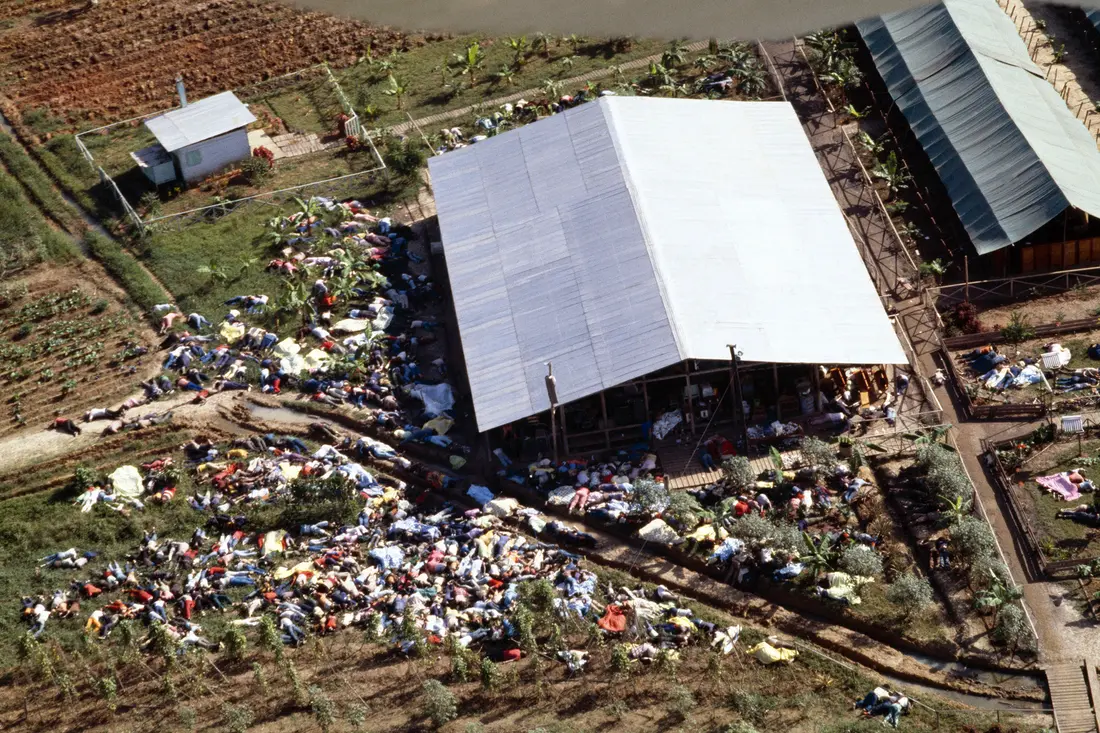
Inspiration type:Conceptual Blueprint.
Real-world history:The dense jungle reclaimed the tragic site of this infamous compound, but its legacy of fanatical isolation remains a dark blueprint. Developers explicitly studied the layout and psychological horror of insular, rural cult compounds to build their nightmarish religious settlements like Temple Gate.
Design lesson:Horror intensifies when the setting implies complete community collapse and shared delusion, not just personal peril. The threat is ideological, not just physical.
Belchite, Spain
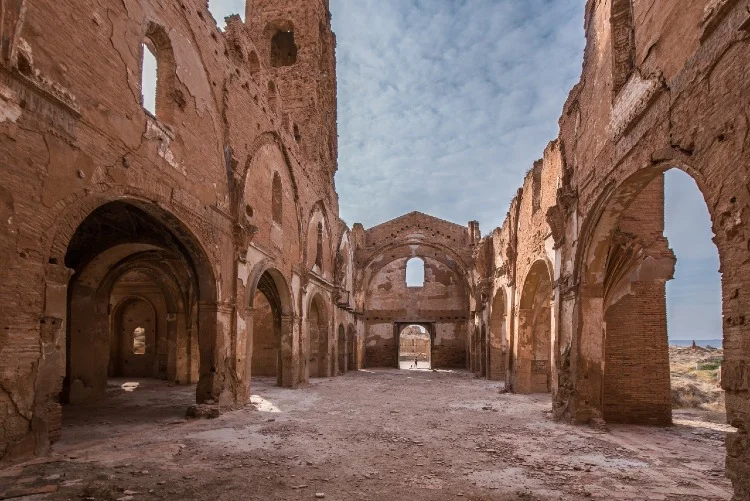
Inspiration type:Atmospheric Echo.
Real-world history:Destroyed during the Spanish Civil War and left as a ghostly monument, the ruined stone churches and crumbling homes of Belchite exude a violent history. This European rural decay was a primary visual reference for the terrifying, infected village at the start of the game.
Design lesson:Stripping away modern convenience leaves the player feeling wildly out of place and vulnerable against a brutal, historic backdrop.
Kennecott Copper Mines, Alaska
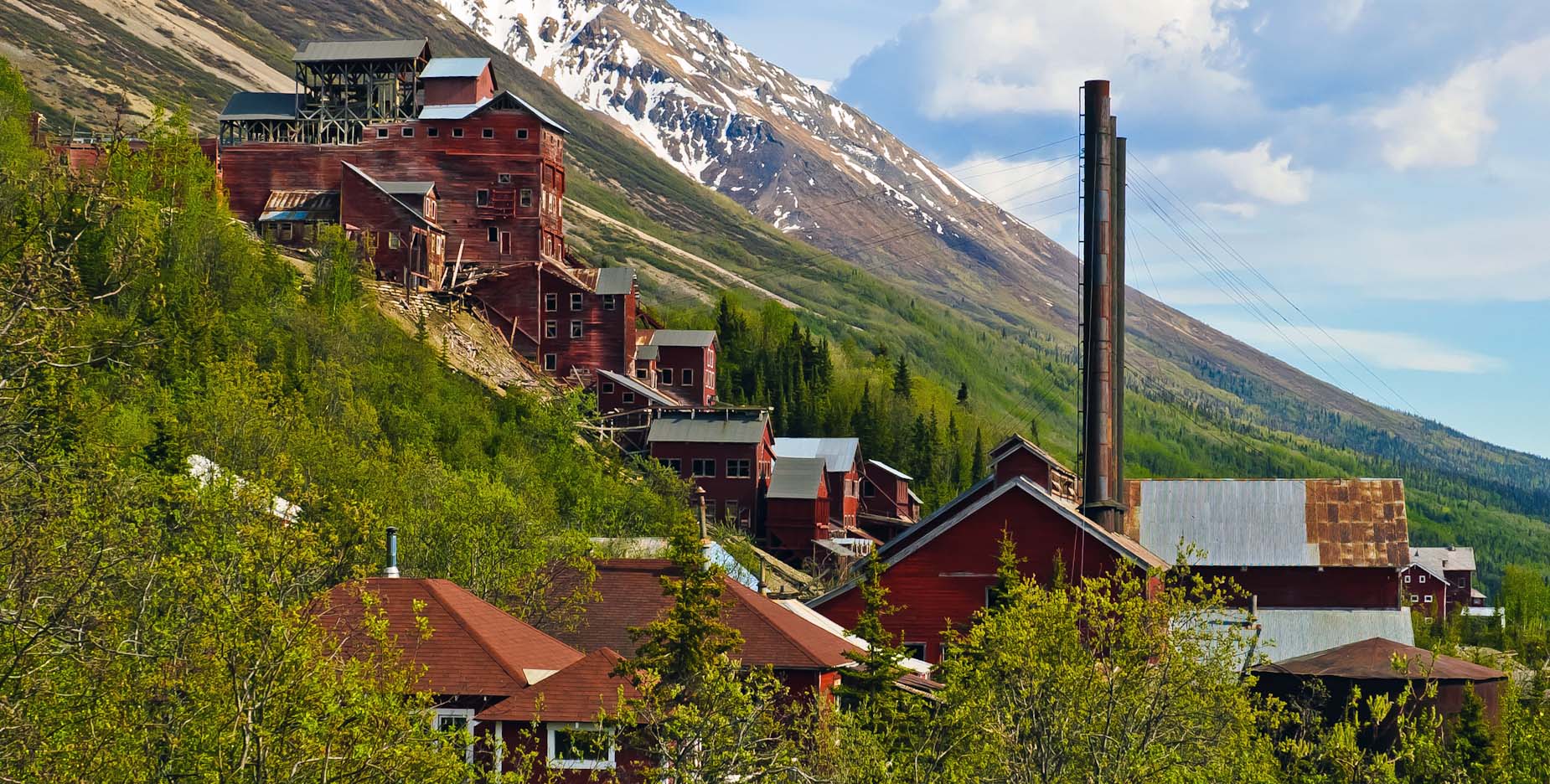
Inspiration type:Genre Archetype.
Real-world history:The sprawling, multi-story red wooden structures of these mines sit desolate against a harsh, freezing Alaskan landscape. This aesthetic of towering, precarious industrial decay perfectly mirrors the terrifying, freezing mine shafts where digital monsters hunt.
Design lesson:Mines weaponize depth and instability. The deeper you go into old, creaking wooden supports, the less the outside world feels real.
Burkittsville Woods / The Black Hills, Maryland
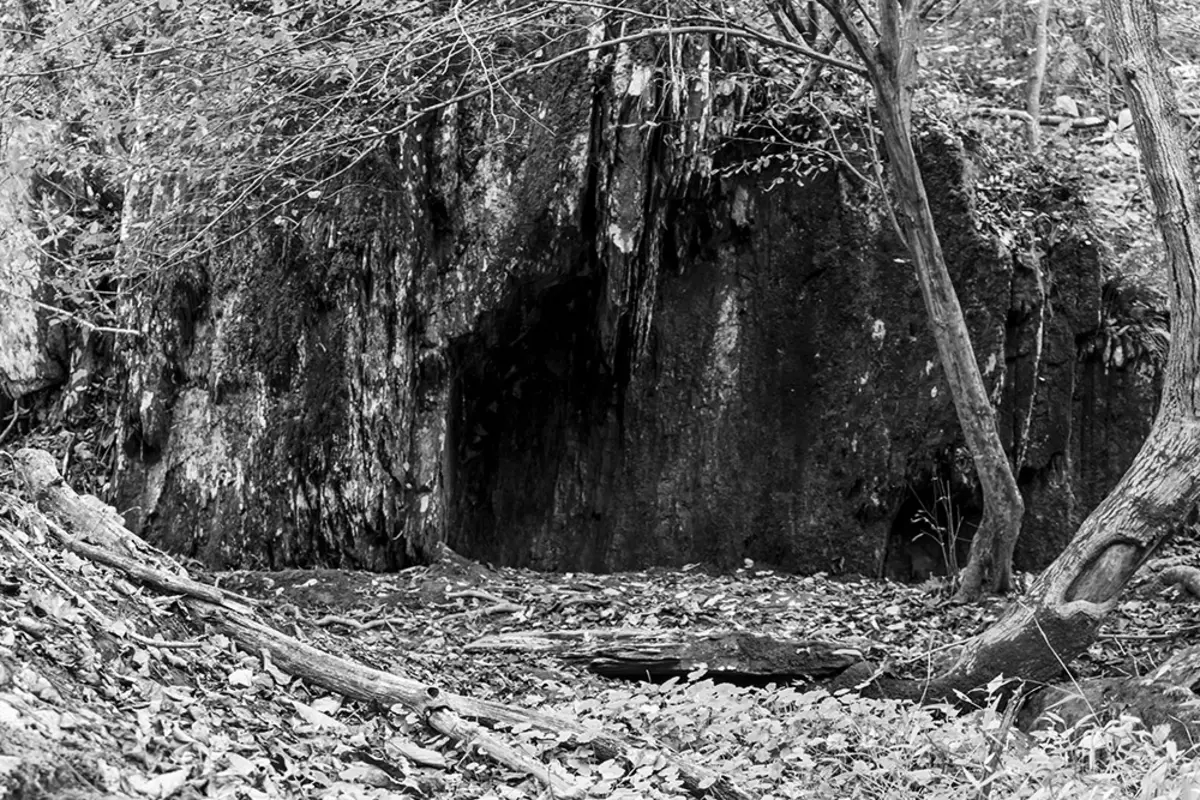
Inspiration type:Historical Folklore.
Real-world history:While the famous witch is fiction, the dense, twisting, and confusing topography of the real Black Hills forest birthed a massive horror franchise. The very real feeling of stepping off a trail and instantly losing your sense of direction is a primal human fear perfectly translated into gaming.
Design lesson:Disorientation is the monster. Remove reliable landmarks, make every tree look the same, and the player’s confidence immediately drains away into pure panic.
The Pattern Behind The Panic
Here’s what you gain now:the ability to look at any abandoned horror settingold or newand immediately understand why it works and why it works on you.
Across all 40 locations, four fear engines repeat:
1) Absence with evidence:Empty rooms aren’t scary until you see proof someone left a flickering monitor recently, a half-open file drawer, a meal that went cold.
2) Navigation as stress:Horror levels weaponize layout: loops, locked doors, one-way drops, and safe rooms that feel temporary. The map becomes a heartbeat monitor.
3) Systems failing quietly:Stations, labs, and hospitals terrify because their purpose was to protect; when they fail, the player assumes the failure was earned, not accidental.
4) Contrast as poison:The most haunting spaces pair opposites: luxury + rot, childhood + menace, cleanliness + blood. That contrast makes the brain search for a reason, and fear fills the gap.
Final Takeaway:Once you recognize these engines, you can predict which new horror games will hit hardest because their places will already be whispering the ending.
Frequently Asked Questions
What Is The Horror Game Where You Explore Abandoned Places?
Many horror games center on exploring abandoned settings, such as hospitals, towns, labs, and ships, because exploration turns space into suspense. Look forsurvival horrorandpsychological horrortags.
Are Any Horror Games Based On Real Abandoned Asylums?
Yes. The Town of Light explicitly sets its story in the Volterra Psychiatric Asylum in Tuscany, framed as inspired by true events.
Which Games Use The Real Chornobyl Zone Most Directly?
Chernobylite is marketed as a 3D-scanned recreation of the Exclusion Zone, and reporting describes extensive real-site scanning work.
Is Silent Hill Based On Centralia?
Centralia is strongly associated with the Silent Hill film, but key creators have pushed back on fans treating it as confirmed for the original games.
Why Are Abandoned Hospitals So Effective In Horror?
They mix familiarity with vulnerability: long corridors, clinical lighting, and the expectation of help, then you realize the building is open, but care is gone.
Are Abandoned Theme Parks A Real Horror Staple?
Absolutely. Theme parks flip joy into dread because the same structures meant to entertainrides, mascots, and bright colorsfeel uncanny when deserted.
Is It Illegal To Explore Abandoned Buildings?
Often, yes, without permission, you may be trespassing, and laws vary by location. In the UK, CPS guidance explains how trespass can intersect with other offenses.
What Are The Biggest Dangers In Abandoned Buildings?
Common risks include structural collapse and hazardous building materials such as asbestos.
How Do Developers Recreate Abandoned Places So Convincingly Now?
Some teams use real-world reference capture like photogrammetry/LiDAR and then rebuild the spaces in-engine to preserve proportions and texture realism.
What’s The Safest Way To Enjoy Abandoned-Place Horror Without Trespassing?
Stick to games, documentaries, legal museums/tours, and published photography. If a place isn’t yours, permission is the only safe mode.
Takeaway:If you came for places, you now have a library, and if you came for fear, you now have its blueprint.
Final Thoughts
Abandoned places in horror games aren’t just spooky backdrops. They are engines built to turn emptiness into meaning, and meaning into dread.
If you want your next nightmare to land, don’t start with the monster. Start with the place. When a setting feels like it has a past you can’t fully access, horror doesn’t need to chase you.
It only needs to leave the door open.