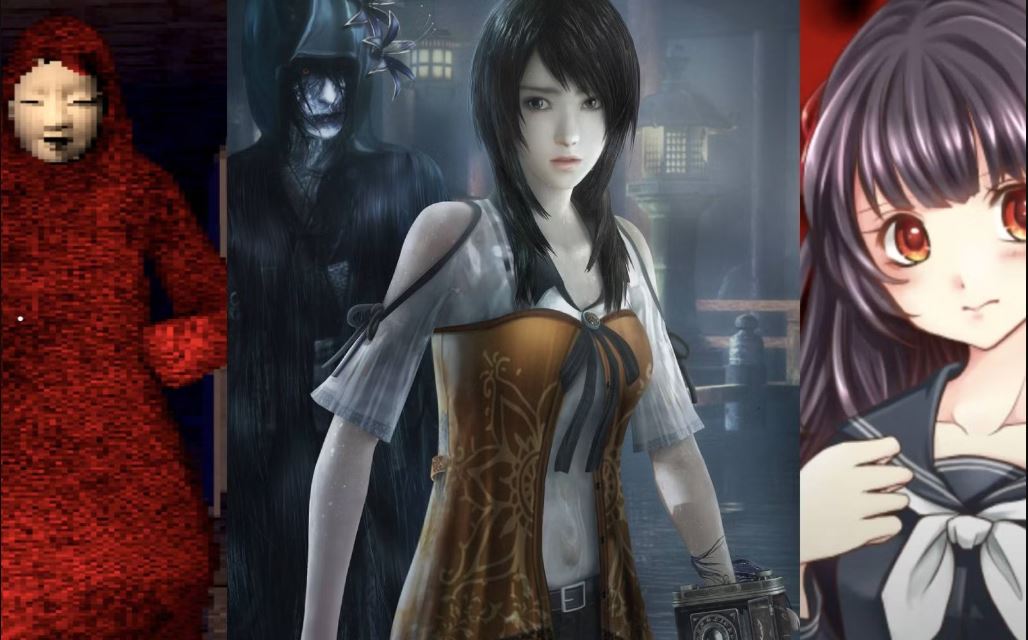
Horror is at its most unsettling when it borrows from something you already half-believe. A monster invented purely for a game can be frightening, but a creature rooted in a legend your grandmother whispered about carries a different kind of weight.
It arrives pre-loaded with cultural dread, shaped by generations of storytelling before a single line of code was written. The games on this list are not simply scary. They are culturally specific.
Each one draws from an identifiable urban legend, folk myth, or supernatural tradition, and each one uses that source material to do something that purely invented horror rarely achieves: make you feel like the fear existed before the game did.
This list covers 15 games across multiple platforms, cultures, and eras. For each one, you will find the specific legend it draws from, the cultural origins of that legend, and what the game does with it.
Western Creepypasta And Digital Urban Legends
Creepypasta is the internet's contribution to the urban legend tradition. These are short horror stories shared online, passed from forum to forum until they take on the weight of genuine folklore. The games in this section adapt creepypasta and digitally-born urban legends into interactive experiences, capturing the specific dread of horror that feels like it could have happened to someone you know.
1. Slender: The Eight Pages - The Slender Man Legend
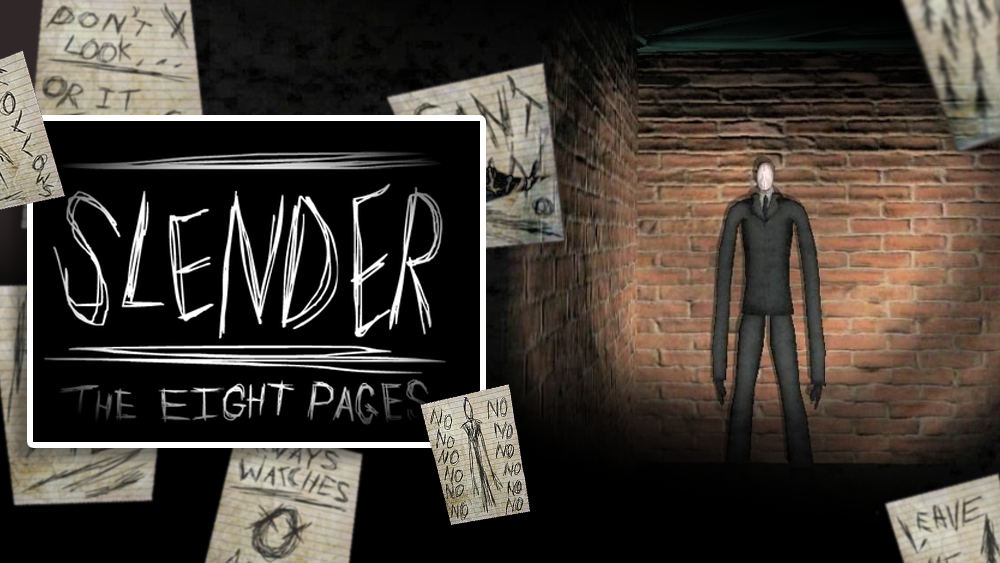
The Slender Man originated in 2009 on the Something Awful forums when artist Eric Knudsen posted doctored photographs of a tall, faceless figure lurking in the background of ordinary scenes. The legend spread rapidly, absorbing details from different contributors until it functioned like genuine folk mythology: a creature of forests, children, and inexplicable disappearances.
Slender: The Eight Pages translates that legend almost perfectly into a gameplay loop. You move through a dark forest collecting eight pages of handwritten notes, each one a fragment of the legend itself. The Slender Man appears at the edges of your vision, drawing closer each time you find a page. The flashlight mechanic, the open darkness, and the complete absence of weapons strip you of every conventional horror game defense.
What makes this adaptation successful is its fidelity to the legend's structure. The Slender Man legend is defined by watching, by proximity, and by the terror of being observed rather than attacked. The game reproduces that structure exactly, making the fear feel like the legend rather than a game about the legend.
2. Imscared 2 - The Digital Ghost Urban Legend
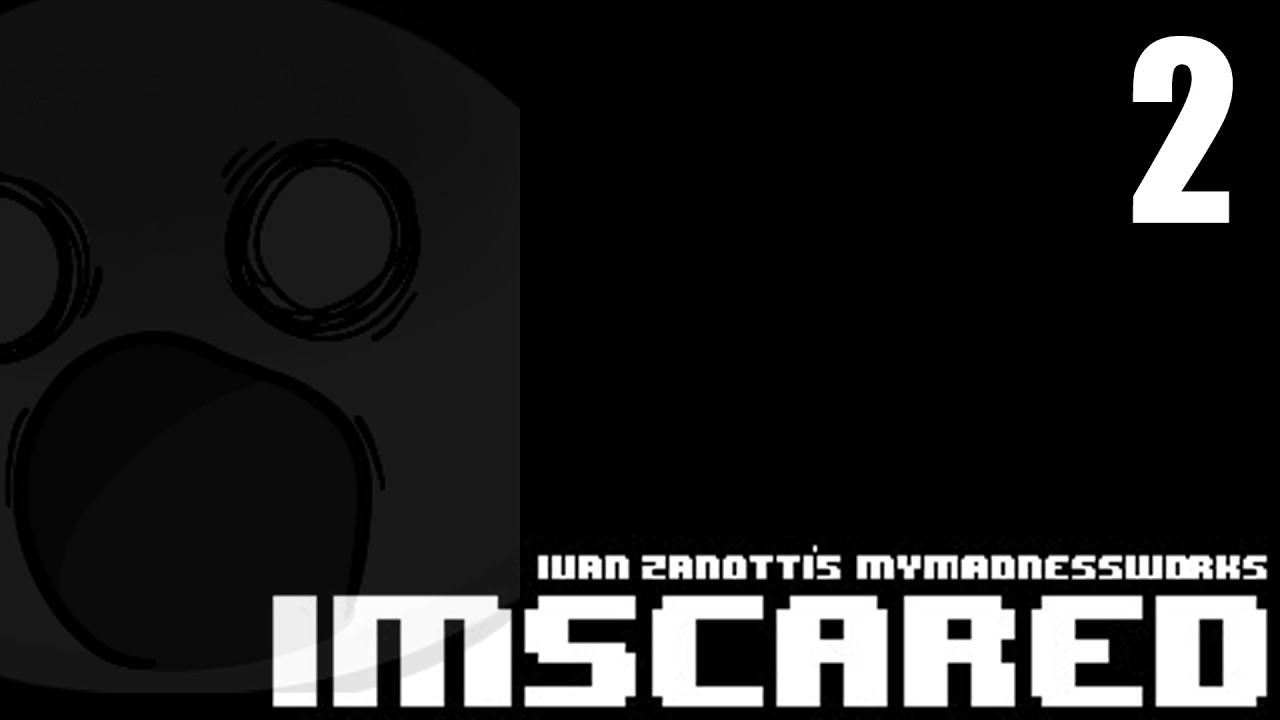
Imscared draws from a distinctly modern urban legend: the idea that a digital entity, a ghost in the machine, can reach beyond the boundaries of the game and into your actual computer. Urban legends about cursed files, haunted software, and malevolent programs circulate in online communities in the same way ghost stories circulate in physical ones.
The game breaks the fourth wall in ways that were genuinely unsettling at release. It creates files on your actual hard drive, alters its own content between sessions, and communicates with the player in ways that blur the boundary between the game world and the real one. The horror entity, a white-faced figure called White Face, feels less like a game character and more like an intrusion.
What Imscared captures is the specific anxiety of the digital age: the fear that the technology surrounding you is not entirely under your control, that something might be watching or reaching through it. That is a thoroughly modern urban legend, and Imscared is one of the few games to have built genuine interactive horror from it.
3. Doki Doki Literature Club - The Cursed Media Legend

The cursed media legend, the idea that a particular book, film, or game carries supernatural harm to those who experience it, is one of the most persistent forms of urban folklore. From the cursed videotape in Ring to stories about haunted cartridges and corrupted game files, this legend has deep roots in both Eastern and Western folk tradition.
Doki Doki Literature Club presents itself as a cheerful visual novel before systematically dismantling its own genre conventions. Characters become aware of their existence within the game. Files are deleted. The game acknowledges you, the player, in ways that feel genuinely transgressive. The horror is not supernatural in the conventional sense; it is structural, rooted in the violation of the boundary between fiction and reality.
The cursed media legend works because it targets the act of consumption itself. By playing, watching, or reading, you have already made yourself vulnerable. Doki Doki Literature Club understands this perfectly, and its most effective moments use your own engagement with the game as the source of dread.
Japanese Urban Legends And Supernatural Folklore
Japan has one of the richest urban legend traditions in the world. Its supernatural folklore spans vengeful spirits, cursed locations, demonic entities, and the ghosts of those who died with unresolved emotions. The games in this section draw on that tradition with varying degrees of specificity, but all are rooted in genuinely Japanese supernatural belief rather than imported Western horror conventions.
4. Fatal Frame - Onryo And The Vengeful Spirit Tradition
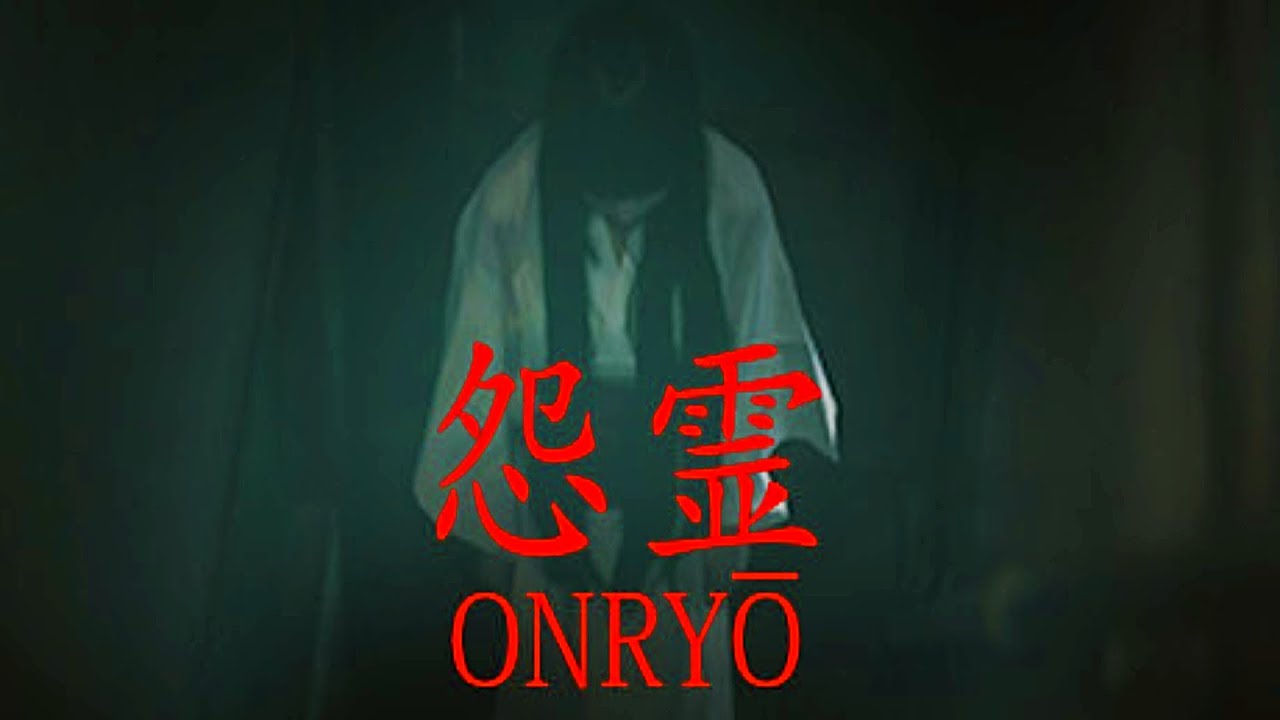
Onryo | 怨霊 Inspired By Fatal Frame PC Gameplay (Japanese Horror Game)
The onryo is one of the most deeply rooted figures in Japanese supernatural folklore. A spirit of the violently or unjustly dead, typically a woman, the onryo returns to the living world driven by grief, jealousy, or rage.
The legend predates modern urban storytelling, appearing in classical Japanese literatureand Kabuki theatre before migrating into contemporary ghost story tradition. Fatal Frame places you in a haunted mansion armed only with a camera that can capture and exorcise spirits.
The camera obscura mechanic is not just a gameplay device; it draws from genuine Japanese folk belief that photography could capture the soul and that certain images carried supernatural danger. The closer you allow a spirit to approach before photographing it, the more damage you deal, which means the game rewards exactly the terrifying behavior the legend warns against.
5. Siren - Village Curses And The Forbidden Ritual
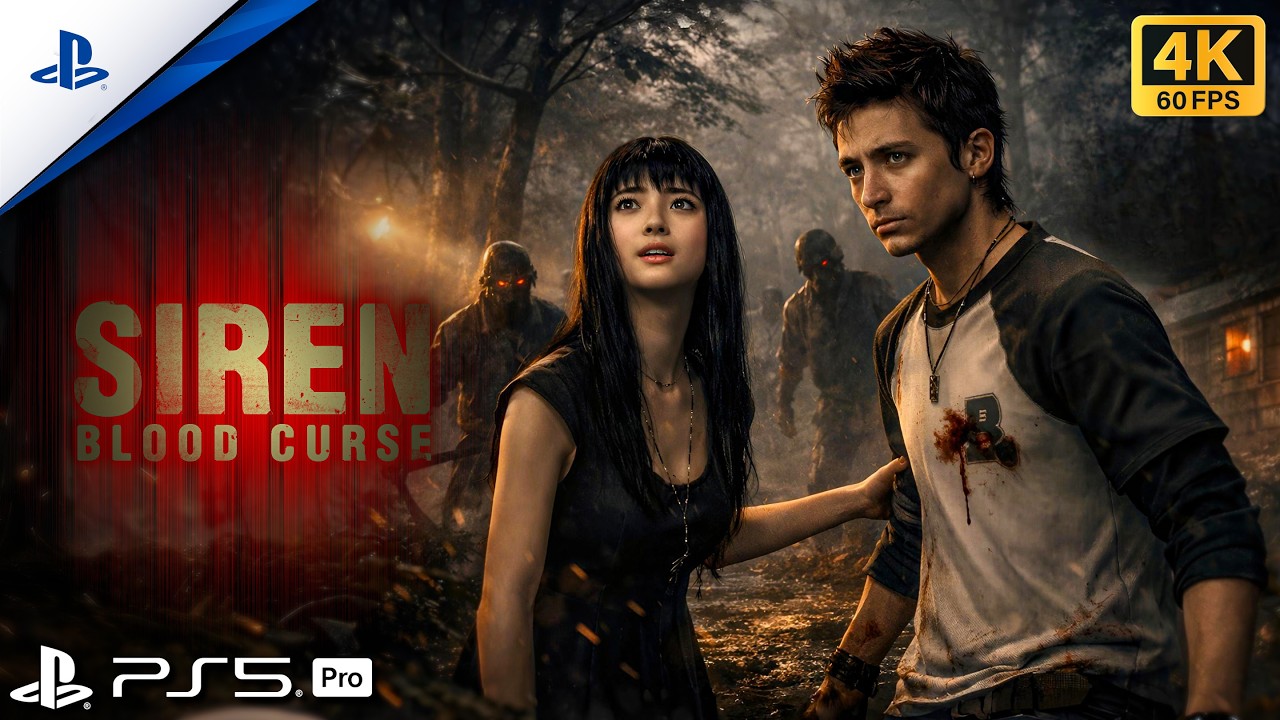
Siren: Blood Curse - PS5™ Gameplay [4K 60FPS]
Siren draws from several layers of Japanese urban legend simultaneously. The most prominent is the legend of the cursed village, a settlement that has committed some transgression against the supernatural order and exists in a state of permanent damnation. This legend type appears across Japanese folklore in numerous variations and carries deep cultural anxieties about community, isolation, and the consequences of hidden sins.
The game is set in Hanuda, a village cut off from the outside world and populated by the Shibito, the living dead who are driven by a compulsion to continue their daily routines in an increasingly horrifying parody of normal life. The Shibito are not mindless zombies; they speak, they work, they perform the rituals of ordinary existence. That detail is drawn directly from Japanese folk belief about the restless dead.
Siren also incorporates the legend of forbidden sightblinding, the idea that witnessing certain supernatural events curses the observer. The game's unique mechanic, allowing players to sighthack and see through the eyes of enemies, carries the implicit horror of that legend: looking through the eyes of the damned risks contamination by whatever has corrupted them.
6. Yomawari: Night Alone - Japanese Street Spirits And Night Legends
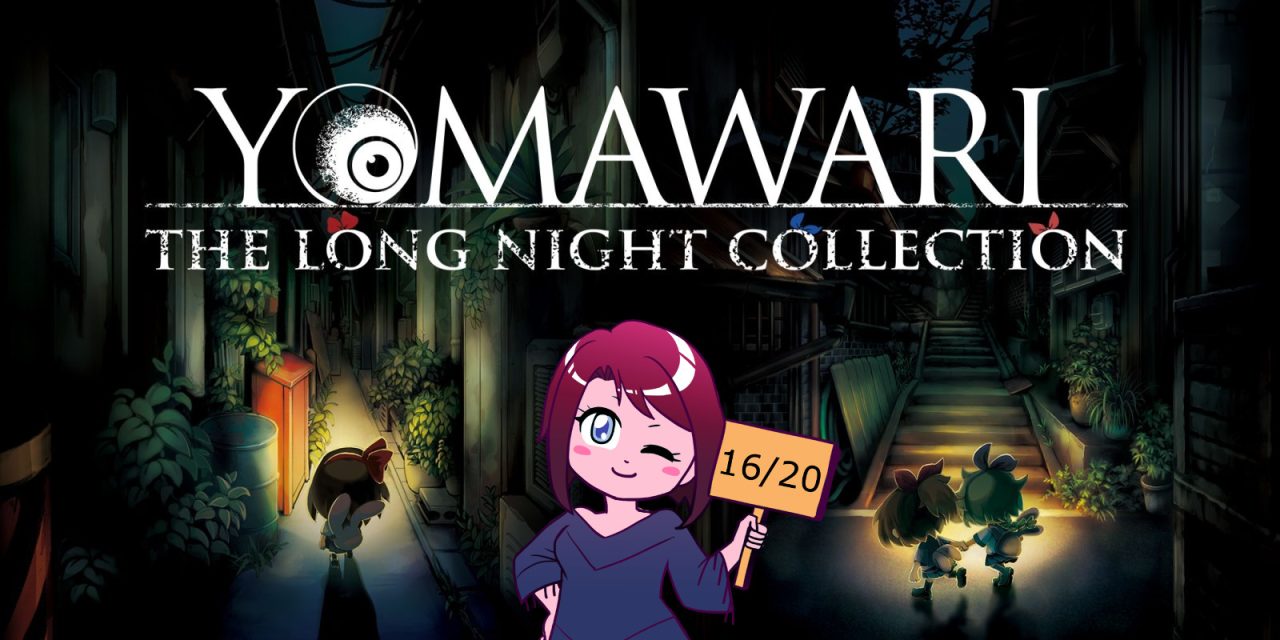
Yomawari draws from the rich tradition of Japanese night legends, the belief that the hours between midnight and dawn are populated by spirits, demons, and supernatural entities that follow rules entirely different from those of the daylight world. The yomawari tradition itself, night watchmen who patrolled streets partly to ward off supernatural danger, speaks to how seriously this belief was culturally embedded.
The game follows a small child searching for her sister and dog through a town overrun with spirits after dark. The spirits in Yomawari are not named creatures from a single legend; they are drawn from the broader tradition of Japanese supernatural folk belief, each one representing a different type of spiritual entity with its own behavior, territory, and logic.
What Yomawari captures particularly well is the child's perspective on legend, the way that adult folklore feels total and unquestionable to a child who lacks the context to rationalize it away. The game's horror is not gore or shock; it is the specific dread of a small figure in a large, dark world, surrounded by things that do not follow human rules.
7. Ao Oni - The Blue Demon Urban Legend
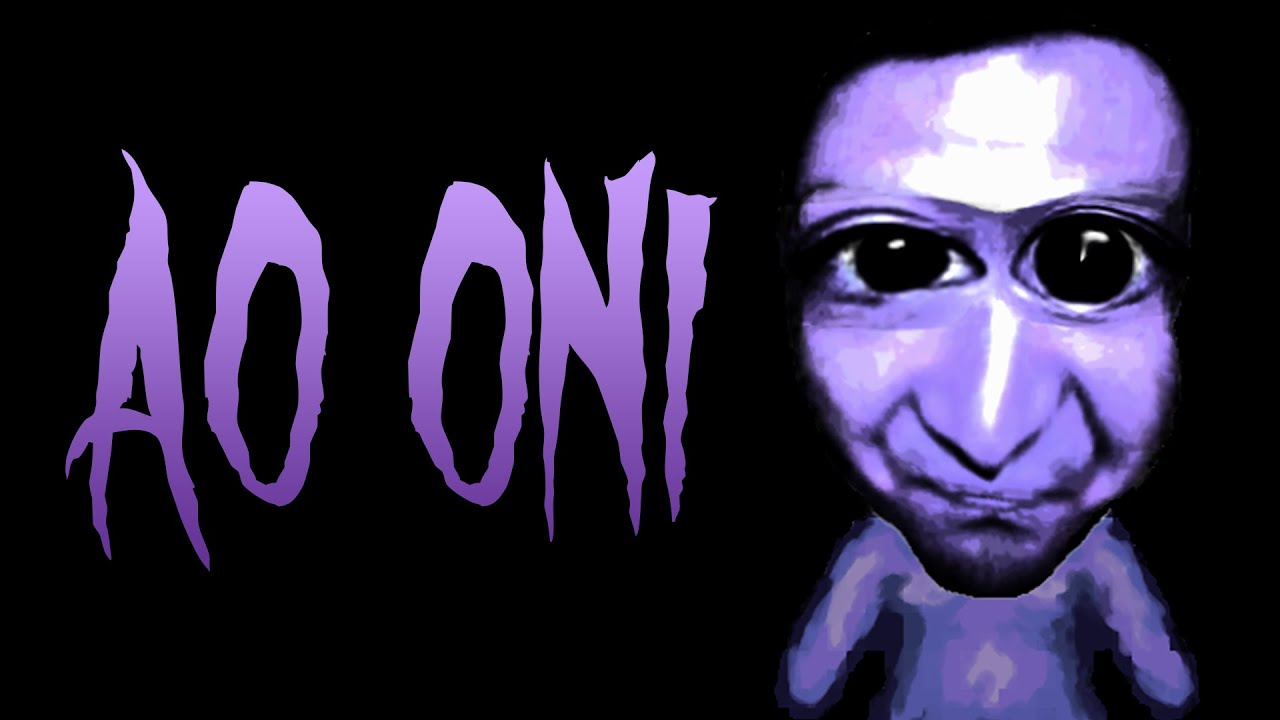
Ao Oni (part 1) | The Blue Demon
Ao Oni began as a Japanese internet urban legend before becoming a game, following a trajectory similar to the Western creepypasta tradition. The blue demon, a large, misshapen humanoid with an unsettling face and an inhuman gait, was described in online horror communities as a creature encountered in abandoned buildings, a modern iteration of the classic Japanese demon legend filtered through contemporary urban mythology.
The game traps a group of teenagers in an abandoned mansion where the Ao Oni hunts them through puzzle-locked rooms. The puzzle mechanic is drawn from a specific feature of Japanese urban legends about cursed locations: the idea that certain haunted spaces impose logic puzzles on those trapped within them, that the supernatural operates according to rules the living must decipher to survive.
Ao Oni achieved significant cultural reach in Japan before Western audiences discovered it, which reflects the vitality of the internet urban legend tradition it draws from. Its horror is intimate and relentless, built from the legend's core promise: something is in the building with you, it knows where you are, and no exit does not require you to think clearly while being hunted.
North American Folk Horror And Regional Mythology
North America has a deep and frequently underacknowledged tradition of regional folk horror, drawing from Native American spiritual traditions, frontier mythology, and the specific anxieties of isolation, wilderness, and cultural transgression. The games in this section engage with that tradition at varying depths, from careful cultural adaptation to the broader horror of wilderness folklore.
8. Until Dawn - The Wendigo Legend
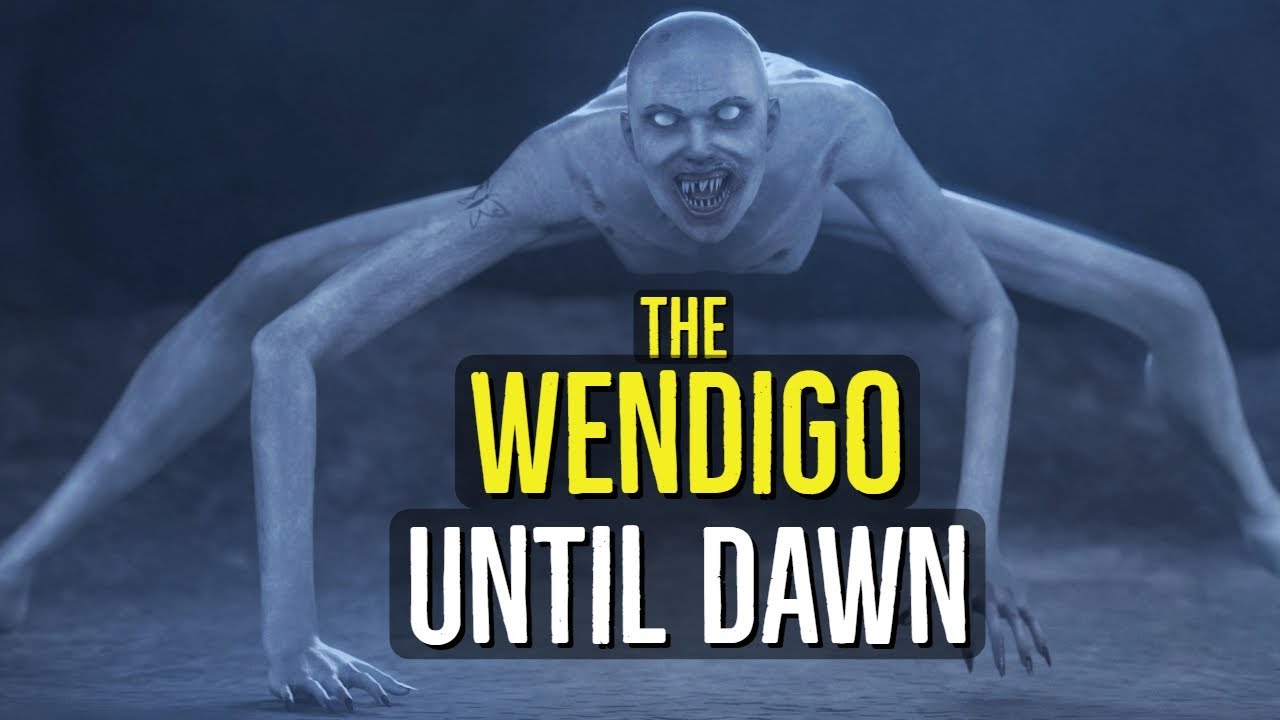
The Wendigo is one of the most powerful figures in Algonquian folklore, shared across multiple First Nations cultures across the northern regions of North America. It is associated with extreme cold, starvation, isolation, and above all with cannibalism: the belief that consuming human flesh could transform a person into a Wendigo, stripping away their humanity and replacing it with an insatiable hunger.
Until Dawn uses the Wendigo as its central monster in a game about a group of teenagers stranded on a mountain after a night that went catastrophically wrong the year before, the game's butterfly effect system, in which every decision can lead to a character's survival or death, maps onto the folklore's moral logic: the Wendigo legend is fundamentally about the consequences of choices made under extreme pressure.
The game's portrayal of the Wendigo draws accurately from the legend's physical descriptions, the emaciated form, the unnatural speed, and the cold, and it grounds the creature in the specific geographic and cultural context of the North American wilderness. That grounding gives the monster a cultural authenticity that generic horror creatures lack.
9. The Forest - Cannibalism Myths And Wilderness Folklore
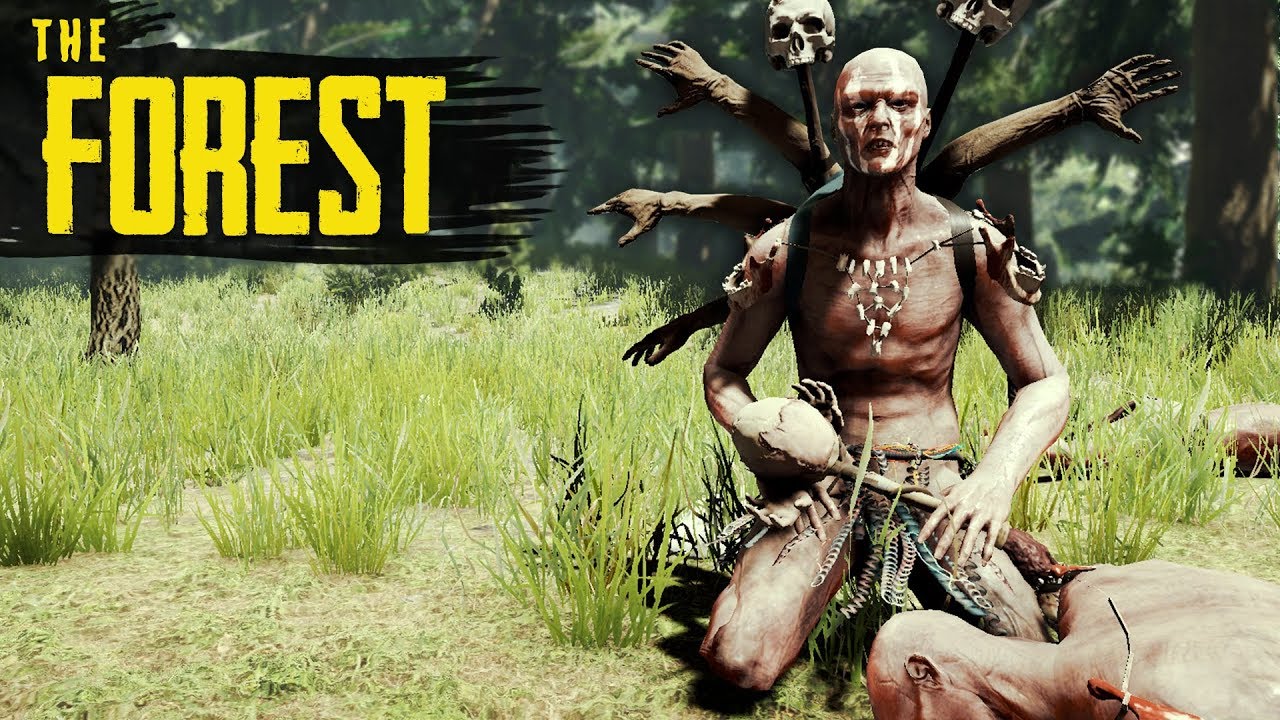
Wilderness cannibal mythology is a persistent thread in North American folk horror, from the Wendigo legend to historical accounts of frontier survival that took on the quality of legend in the retelling. The fear of what isolation and desperation might drive a person or a community to do is one of the oldest and most culturally widespread horror themes in the world.
The Forest places you as a crash survivor in a remote wilderness populated by a tribe of cannibalistic mutants who are, gradually and disturbingly, revealed to have their own culture, rituals, and social structure. The mutants are not simply monsters; they are a community operating according to their own logic, which makes them far more unsettling than a purely predatory creature would be.
The game's horror is rooted in the ambiguity that defines the best wilderness folklore: the question of whether the people who became monsters did so through choice, necessity, or something else entirely. That moral complexity elevates The Forest beyond a simple survival-horror gameand into genuine folk-horror territory.
10. Outlast - The Asylum Horror Urban Legend
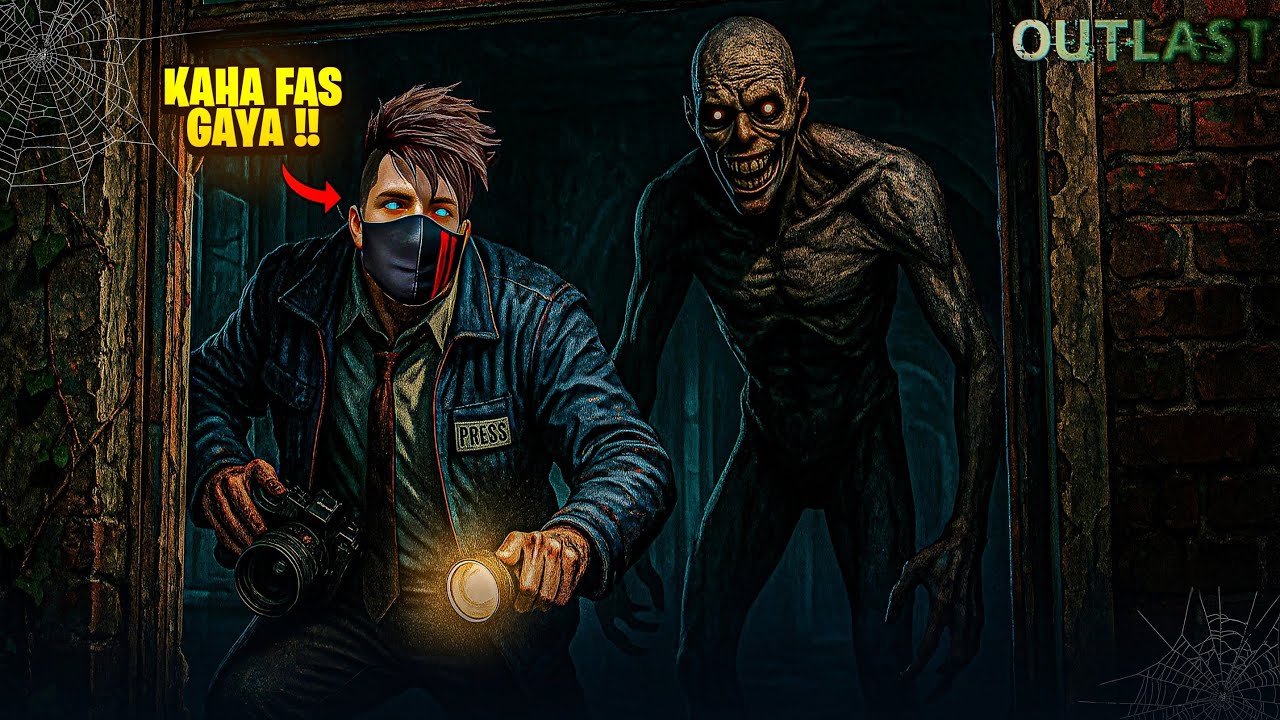
Surviving the Asylum in OUTLAST
The haunted asylum is one of the most durable urban legends in Western folk horror. Stories about abandoned psychiatric institutions, about the experiments conducted within them, about the patients who never left and the things done to them, circulate in communities across North America and Europe with the persistence of genuine folklore.
Outlast places you as an investigative journalist who enters the Mount Massive Asylum after receiving a tip about unethical experiments. You have no weapons. Your only tool is a video camera with night vision and a finite battery. The inmates who pursue you through the corridors were human beings subjected to procedures that destroyed them, and the game never lets you forget that.
What Outlast captures from the asylum legend is not just the physical setting but its moral structure: the idea that the horror is not supernatural but institutional, that the most frightening thing is not a monster but a system that created monsters and then abandoned them behind locked doors.
European Ghost Traditions And Dark Folklore
European supernatural folklore is ancient, varied, and deeply embedded in the architecture and landscape of the continent. From Germanic castle legends to Eastern European dark mysticism, these traditions have shaped horror storytelling for centuries. The games in this section draw from that inheritance with varying degrees of directness, but all share a distinctly European atmospheric register.
11. Amnesia: The Dark Descent - Castle Horror And European Dark Folklore
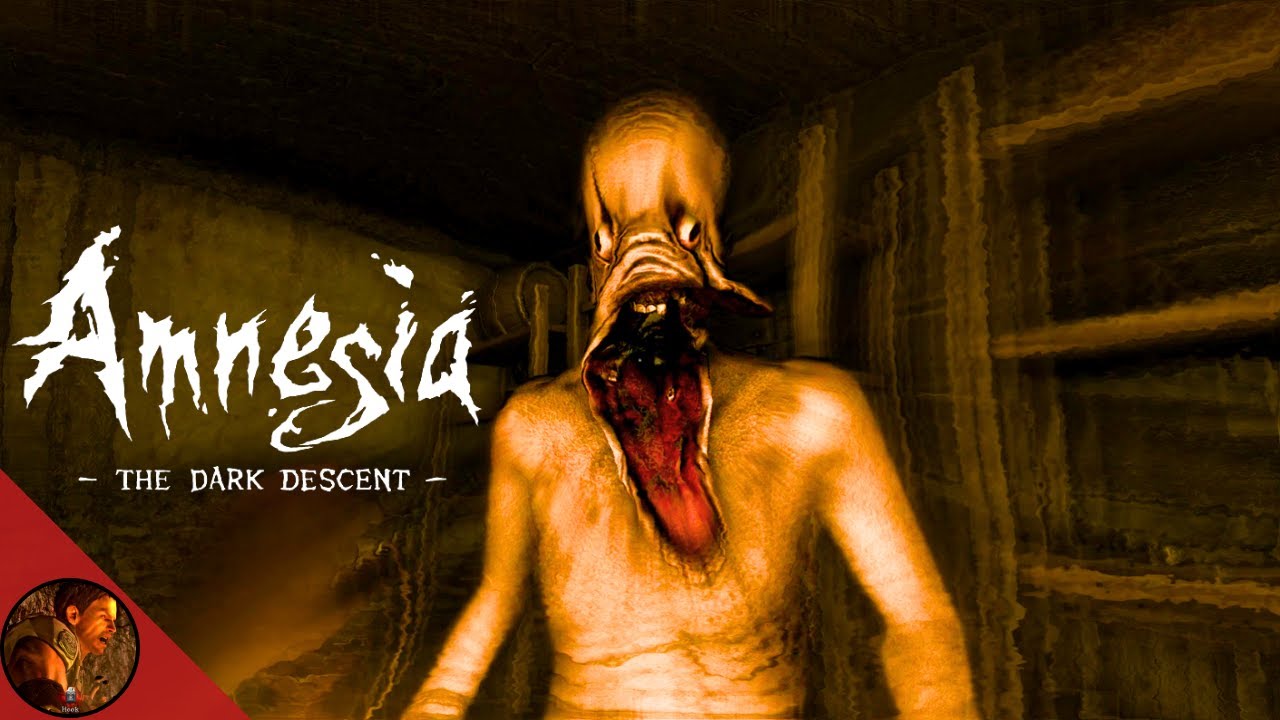
The haunted castle is among the oldest settings in European supernatural legend. From medieval accounts of cursed fortresses to Gothic literature's obsession with ancient aristocratic evil, the castle represents a space where the past refuses to stay buried and where the architecture itself becomes an instrument of horror. That tradition is so deeply embedded in European culture that it functions as genuine folk mythology.
Amnesia places you in Brennenburg Castle with no memory, no weapons, and a sanity mechanic that deteriorates if you look directly at the creatures hunting you or spend too long in darkness. The sanity mechanic is drawn from folk beliefs about the psychological danger of supernatural exposure, the idea that witnessing certain things damages the mind in ways that persist long after the encounter ends.
The game's horror is architectural and psychological in equal measure. The castle's spaces are designed to produce specific emotional responses: claustrophobia, disorientation, and the sense that the building itself is hostile. That relationship between architecture and supernatural dread is one of the defining features of European castle folklore, and Amnesia reproduces it with exceptional craft.
12. Observer - The Dying Mind Urban Legend
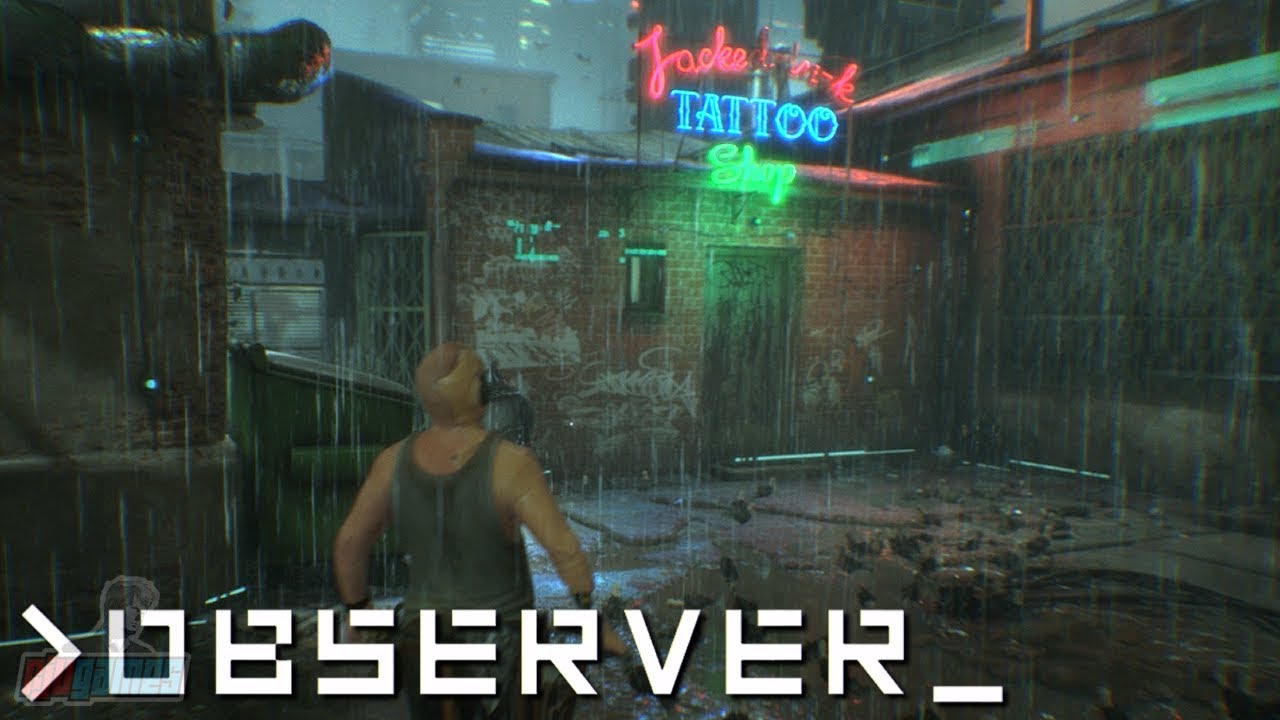
Observer Part 7 | PC Gameplay Walkthrough | Sci-Fi Horror Game Let's Play | Observer_
The urban legend of the dying mind, the idea that consciousness persists and generates experiences in the moments before death, has circulated in various forms across cultures and centuries. In its modern form, it intersects with anxieties about technology, memory, and the boundary between the self and the digital systems that increasingly mediate human experience.
Observer places you as a neural detective who can jack into the dying minds of murder victims to investigate their final memories. The environments you navigate are constructions of deteriorating consciousness, mixing genuine memories with fear, guilt, and psychic damage into spaces that follow dream logic rather than physical logic.
The horror of Observer is the horror of the mind as an unreliable and ultimately finite space. Its urban legend connection is less about a specific named myth and more about the deep folk anxiety surrounding death, memory, and what happens to the self when the brain that contains it begins to fail. That anxiety is as old as human consciousness and as contemporary as neural interface technology.
13. Layers Of Fear - The Cursed Artist Legend
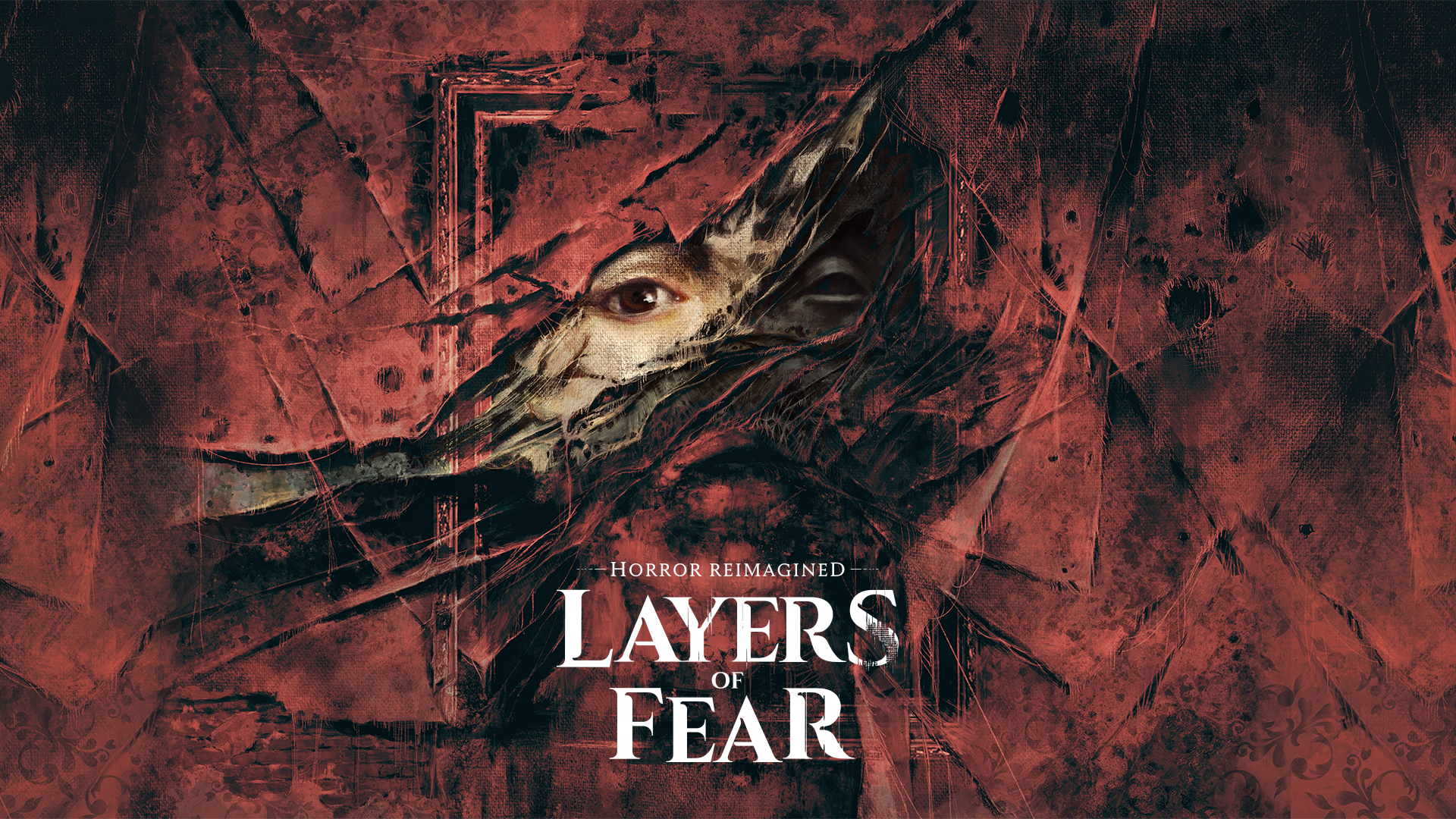
The legend of the artist destroyed by their own obsession, the creator who sacrifices sanity, relationships, and finally humanity in pursuit of a perfect work, is a persistent thread in European cultural folklore. From the Faustian bargain to stories about painters who captured souls in their portraits, the idea that artistic creation carries supernatural danger is deeply embedded in European folk tradition.
Layers of Fear places you inside the deteriorating mansion and deteriorating mind of a painter obsessed with completing his masterpiece. The game's structure, a house that rearranges itself with each room you enter, mirrors the legend's logic: the obsessed creator loses the ability to distinguish between the work and the world, until the boundary between them dissolves entirely.
The horror is generated not by external monsters but by the internal logic of the legend itself. The painter's masterpiece consumes everything around it because that is what the cursed artist legend has always promised: that the work takes, and takes, and takes, until there is nothing left to give.
Global And Cross-Cultural Urban Legends
Some of the most distinctive horror games in the genre draw from legends that are either globally resonant or deeply specific to non-Western cultural traditions that rarely receive attention in mainstream gaming discourse. These two entries represent the broadest geographic and cultural reach on this list.
14. Silent Hill 2 - Purgatory Town And The Centralia Myth
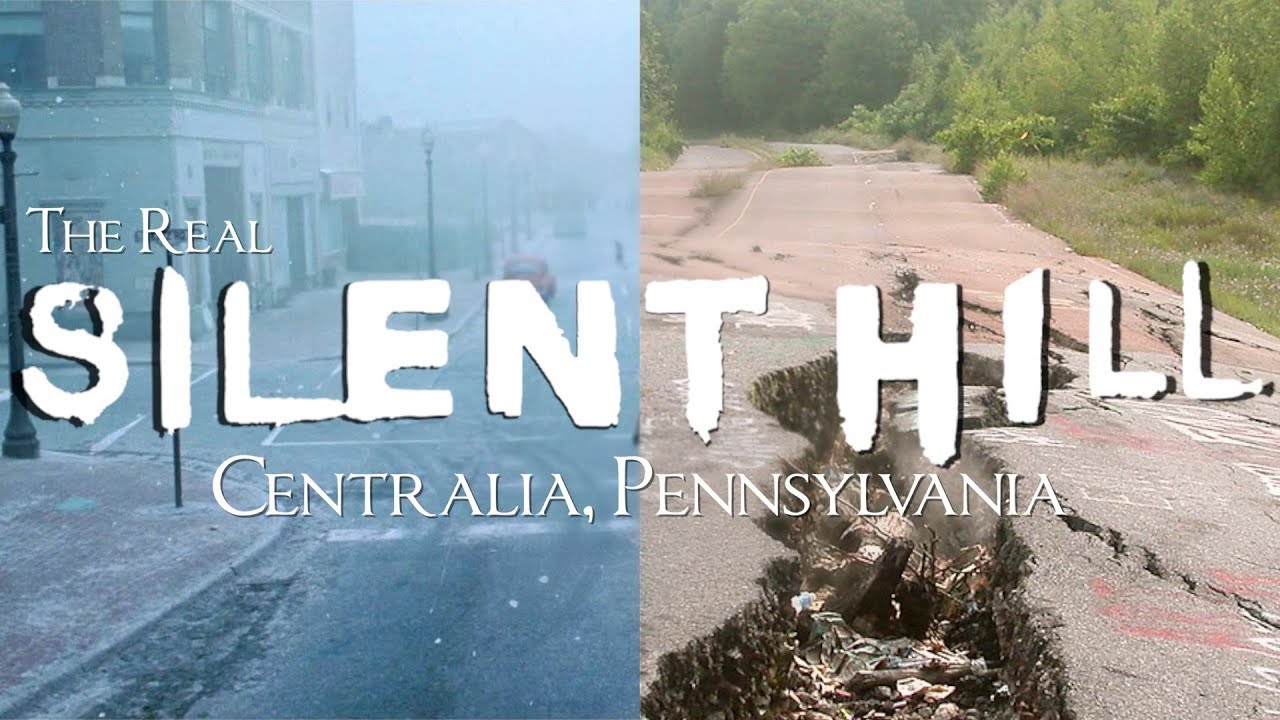
Silent Hill as a location draws from multiple sources, but the most documented real-world inspiration is Centralia, Pennsylvania, a town abandoned after an underground coal fire began burning in 1962 and has never stopped. The image of a town perpetually shrouded in smoke, slowly consumed from below, passed into American urban legend as a symbol of something older than the specific industrial accident that caused it.
Silent Hill 2 uses that mythological geography to construct a personal purgatory for its protagonist, James Sunderland. The town reshapes itself around his guilt and grief, producing monsters and environments that are specific expressions of his psychology. The legend of the purgatory town, a place where the dead and the guilty are trapped in a space calibrated to their specific torment, is ancient and cross-cultural, appearing in forms across European, East Asian, and indigenous traditions.
The game's genius is in recognizing that the purgatory legend is not about place but about interiority: the town is horrifying because it is a mirror, and what it reflects is the protagonist himself. That insight transforms a familiar legend into one of the most psychologically sophisticated horror gamesever made.
15. Devotion - Taiwanese Supernatural Folk Beliefs
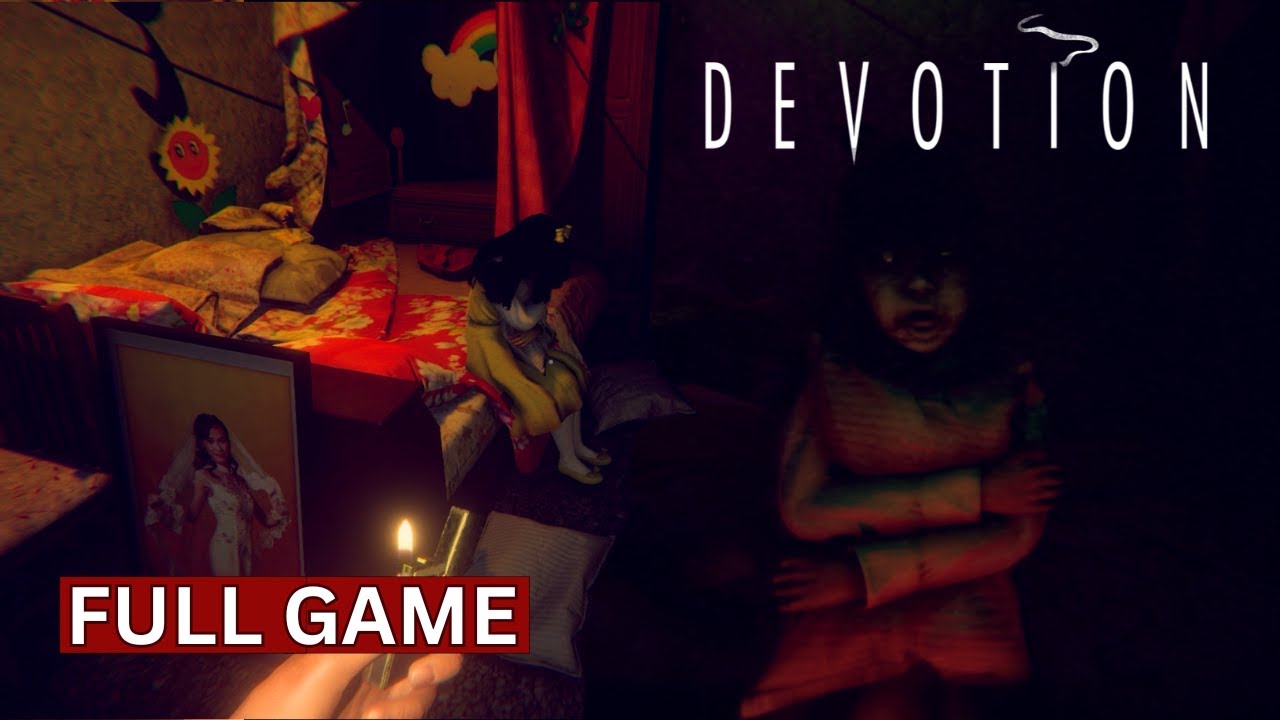
Devotion is set in 1980s Taiwan and draws from a specific and carefully rendered tradition of Taiwanese folk religion and supernatural belief. The game's horror is rooted in the intersection of family pressure, religious practice, and the specific forms of supernatural anxiety that characterize Taiwanese folk tradition, including beliefs about ancestor spirits, ritual obligations, and the consequences of spiritual debt.
The game follows a family whose devotion to a religious cult has taken a devastating toll, unfolding through the exploration of an apartment that shifts between different time periods. Each room reveals another layer of what went wrong, and the horror is inseparable from the specific cultural context: the pressures of the family, the promises made to supernatural forces, and the costs of those promises.
Devotion is one of the few horror games to engage this seriously and this specifically with a non-Western folk tradition. Its horror does not translate into generic supernatural terms; it remains rooted in the particular texture of Taiwanese cultural and religious life, which is both what makes it difficult to fully access for outside audiences and what makes it genuinely irreplaceable as a horror experience.
What Makes An Urban Legend Work As A Horror Game
Not every game that borrows a monster from folklore qualifies as a genuine urban legend adaptation. The difference between a game that uses a legend and a game that is shaped by one goes deeper than surface-level borrowing of names or creatures, and understanding that difference helps explain why some legend-based horror games are genuinely powerful while others feel hollow.
The Structure Of A Legend And The Structure Of A Horror Game
Urban legends and horror games share a fundamental structural similarity: both are experiences defined by escalating dread toward a climactic encounter or revelation. The best legend-based horror games recognize this and use the specific logic of their source legend to shape their gameplay structure, not just their aesthetic.
The Slender Man legend is defined by watching and proximity, so Slender: The Eight Pages builds its entire mechanics around those qualities. The Wendigo legend is defined by the consequences of transgression, so Until Dawn builds its moral logic around decision and consequence. When the legend's structure and the game's structure align, the result feels inevitable rather than adapted.
When they do not align, the game feels like a costume: a familiar shape wearing unfamiliar clothes. Generic monsters with legendary names, settings borrowed without their cultural context, horror that could have been generated by any other source. The legend connection becomes decoration rather than architecture.
Signs A Horror Game Has A Genuine Legend Connection
Use this checklist when evaluating whether a horror game truly draws from its stated urban legend:
- The legend's specific logic shapes the gameplay mechanics, not just the visual design
- The cultural or historical context of the legend is presentin the game's setting, atmosphere, or narrative
- The horror would change fundamentallyif you swapped the legend for a different one
- The game adds something to your understandingof the legend, rather than simply illustrating it
- The fear the game produces resembles the fear the legend produces: the same specific dread, not a generic version of it
Frequently Asked Questions About Horror Games And Urban Legends
What Are Horror Games Inspired By Urban Legends?
They are games that adapt specific folk myths, creepypasta, or regional supernatural legends into interactive horror experiences. The best examples use the structure and cultural logic of their source legend to shape gameplay, not just visual design or monster design.
What Urban Legend Is Silent Hill Based On?
Silent Hill draws from multiple sources, including the real abandoned town of Centralia, Pennsylvania, and the cross-cultural legend of the purgatory town: a place where the guilty and the dead are trapped in a space calibrated to their specific torment.
Are There Horror Games Based On Japanese Urban Legends?
Yes. Fatal Frame, Siren, Yomawari, and Ao Oni all draw from specific Japanese urban legends and supernatural folklore traditions, including the onryo vengeful spirit, village curse legends, and the broader tradition of Japanese night mythology.
What Is The Wendigo, And Which Game Features It?
The Wendigo is a figure from Algonquian folklore associated with extreme cold, isolation, and cannibalism. Until Dawn features it as its central creature, grounding the monster in the specific geographic and cultural context of North American wilderness mythology.
What Is Creepypasta And How Does It Relate To Urban Legends?
Creepypasta is a form of modern digital urban legend, typically short horror stories shared across online communities. It functions as contemporary folklore, and games based on creepypasta figures like Slender Man occupy the same cultural space as games based on traditional oral legends.
What Makes A Horror Game A Genuine Urban Legend Adaptation?
A genuine adaptation uses the specific logic, structure, and cultural context of its source legend to shape the gameplay experience. The horror would change fundamentally if you replaced the legend with a different one. Surface-level borrowing of names or creature designs does not qualify.
Which Horror Game Has The Strongest Urban Legend Connection?
Fatal Frame and Devotion are frequently cited for the depth and specificity of their urban legend connections. Both games are rooted in carefully rendered cultural and supernatural traditions that inform every aspect of the design, not just the surface aesthetics.
Are There Horror Games Based On Non-Western Urban Legends?
Yes. Devotion draws from Taiwanese folk religion. Siren and Fatal Frame draw from Japanese supernatural tradition. Yomawari is rooted in Japanese night mythology. These games demonstrate that legend-based horror is a global tradition, not a Western one.
Final Thoughts
Horror games that draw from genuine urban legends achieve something that purely invented horror rarely manages: they arrive pre-loaded with cultural dread. The fear was already there, in the legend, before the game existed.
The game's job is to give it a body and a space, to translate the structure of the legend into something you can inhabit and experience directly. The urban legend tradition is not diminishing.
It is evolving, migrating from oral storytelling to digital communities to interactive media, accumulating new forms and new fears while retaining the essential structure that has always made folklore powerful.