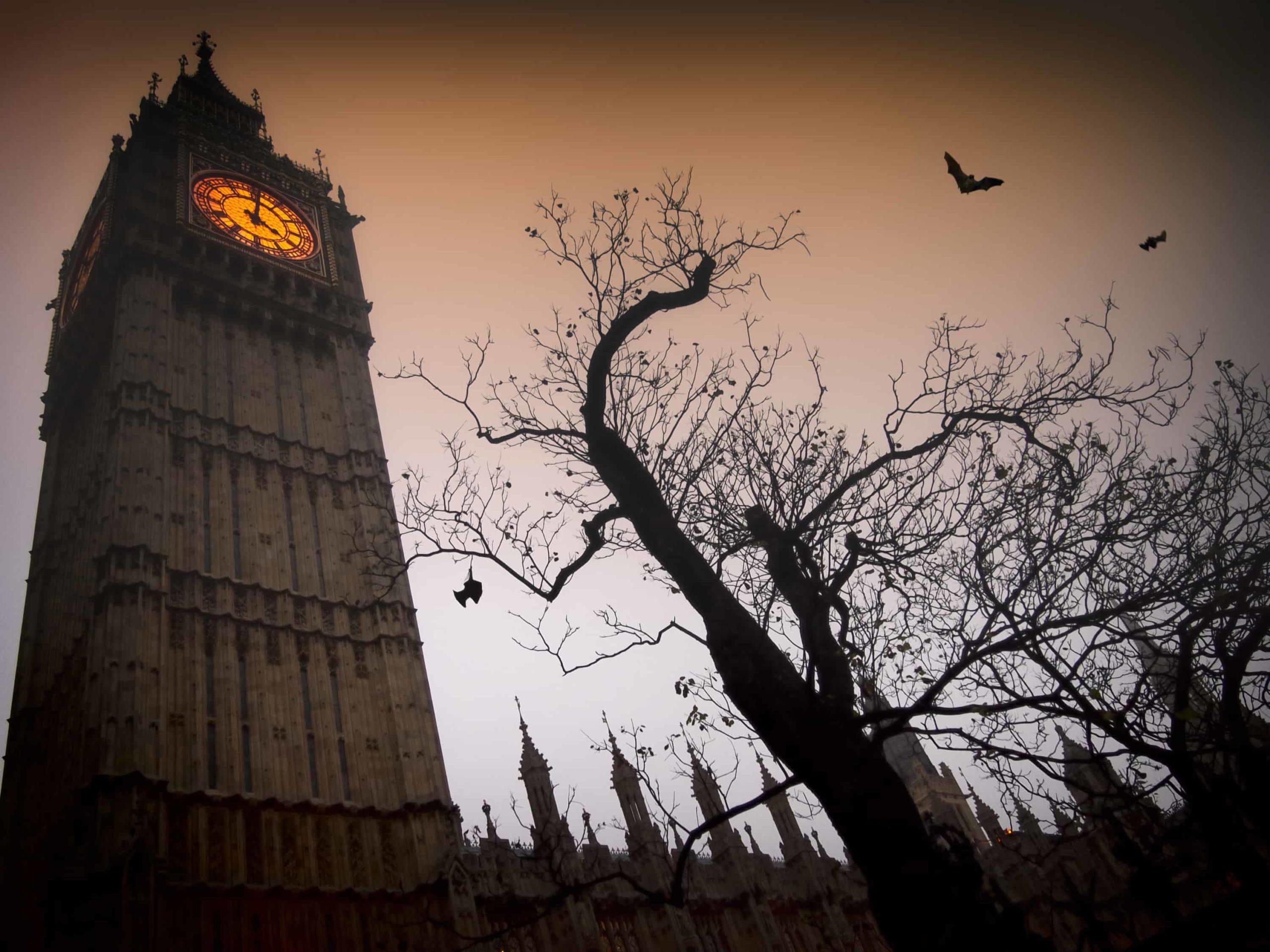
Spooky And Mysterious Places Across London
London is a city where history and mystery often overlap. From royal executions to old burial grounds and abandoned tunnels, many locations are linked to events that shaped the city over centuries.
Haunted places in Londonare not just based on stories; they are connected to real history. Visitors and locals have reported strange sounds, shadowy figures, and unusual experiences tied to these sites. While there is no scientific proof of ghosts, these accounts continue to attract attention because of their historical roots.
In this guide, you will find:
- 30 haunted places in London
- The history behind each location
- Reported ghost sightings and events
- Why these places are considered haunted
- Tips to help you plan your visit
1. The Tower Of London
Location: Tower Hill, London EC3N 4AB
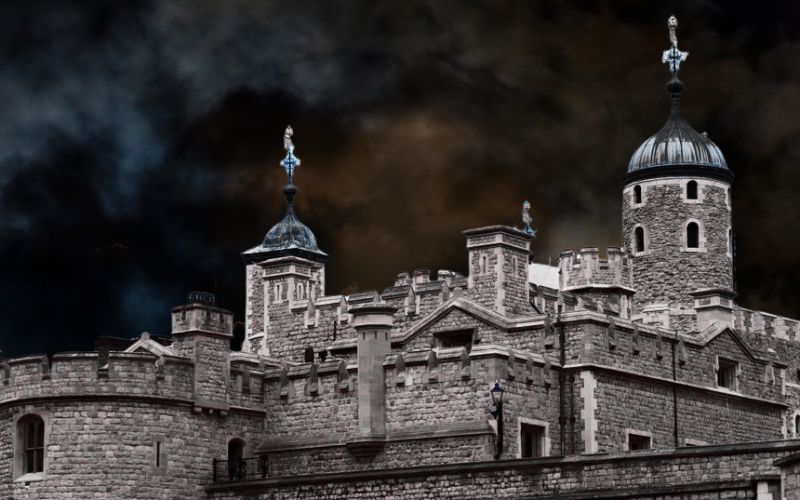
The Tower of Londonis one of the most famous historic sites in the country and a key location for haunted places in London. It has served as a royal palace, prison, and execution site for centuries. Many important figures were held and executed here, which is why the site carries a strong connection to death, power, and political conflict in English history.
One of the most well-known ghost stories is linked to Anne Boleyn, who was executed in 1536. Her spirit is said to appear near the Chapel of St Peter ad Vincula and along Tower Green. The young princes, Edward V and Richard, are also believed to haunt the White Tower after their disappearance. Because of its long and violent history, many visitors and guides report unusual experiences, making it the most iconic site for ghost stories in London.
2. Highgate Cemetery
Location: Swain’s Lane, Highgate, London N6 6PJ
Highgate Cemetery is one of the most atmospheric burial grounds in London and a major point of interest for people studying haunted cemeteries in London. Built in the Victorian era, it is filled with overgrown paths, tall monuments, and old tombs that create a strong sense of isolation and silence. The cemetery reflects how Londoners once buried their dead during a time of rapid population growth and disease.
It became widely known in the 1970s during reports of the “Highgate Vampire,” a dark figure said to move between graves at night. Although no evidence supports the claim, the story spread quickly and remains part of London’s modern folklore. Today, visitors often describe strange feelings, cold spots, and an unsettling atmosphere, especially near the older sections of the cemetery.
3. Hampton Court Palace
Location: East Molesey, Surrey KT8 9AU
Hampton Court Palace is a former royal residence closely linked to King Henry VIII and his wives, making it a key location for royal haunted places in England. The palace is large, with long corridors, grand halls, and hidden passageways that reflect centuries of royal life and political tension. Many events that took place here involved power struggles, fear, and executions within the royal court.
The most famous ghost story is that of Catherine Howard, Henry VIII’s fifth wife. She is said to have run screaming through the Haunted Gallery after being arrested, and some visitors report hearing her cries today. Other spirits, including Jane Seymour, are also linked to the palace. These stories are deeply tied to real historical events, which is why Hampton Court remains one of the most visited haunted palaces in London.
Related Reading:Haunted Places In Tennessee
4. 50 Berkeley Square
Location: Mayfair, London W1J 5AT
50 Berkeley Square is often described as one of the most haunted houses in London. Located in the wealthy Mayfair area, the building looks ordinary from the outside, but its reputation comes from strange stories that began in the Victorian era. Reports describe unexplained sounds, fear experienced in certain rooms, and a strong feeling of pressure on the upper floors.
One of the most well-known legends speaks of a “nameless presence” or dark figure that caused panic among visitors who stayed overnight. Some stories claim that people who encountered it were deeply disturbed or unable to explain what they saw. While no evidence supports these claims, the house remains one of the most discussed locations in haunted houses in London, especially in older paranormal accounts.
5. The Ten Bells Pub
Location: 84 Commercial St, Spitalfields, London E1 6LY
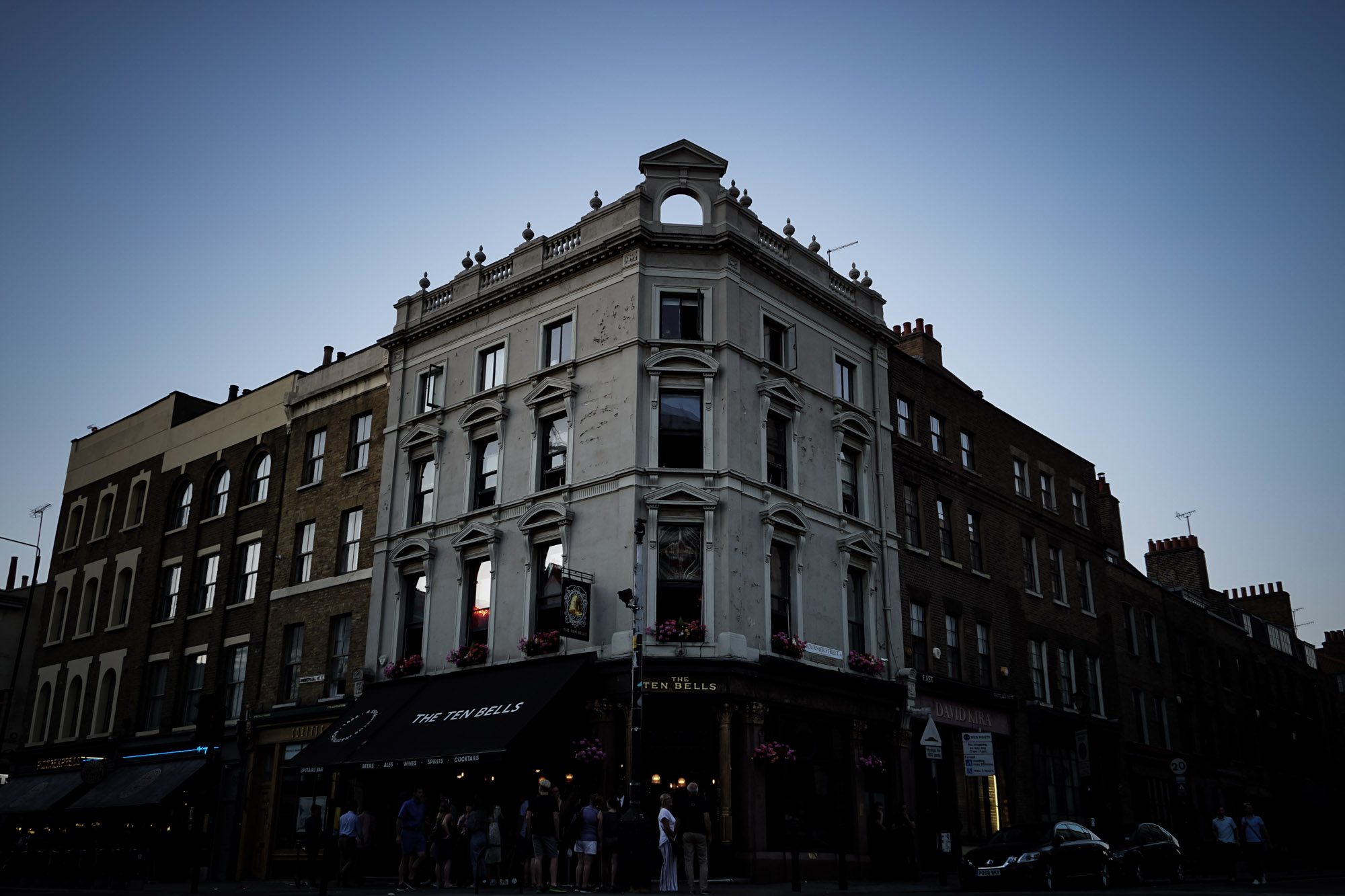
The Ten Bells Pub is strongly connected to the Jack the Ripper murders of 1888, making it an important stop in dark history tours in London. It is believed that at least one of the victims, Annie Chapman, visited the pub shortly before her death. Because of this connection, the location is often included in discussions about London’s most violent historical crimes.
Over time, the pub has gained a reputation for strange experiences reported by visitors and staff. Some describe sudden cold spots, unusual sounds, or a general feeling of discomfort in certain areas. While these reports cannot be verified, the pub’s connection to real historical events makes it one of the most recognised sites in Jack the Ripper ghost stories in London.
6. Theatre Royal, Drury Lane
Location: Catherine St, Covent Garden, London WC2B 5JF
Theatre Royal Drury Lane is one of the oldest theatres in London and a major location in discussions about haunted theatres in London. It has hosted performances for hundreds of years and has survived fires, rebuilds, and major historical changes. Many actors, staff, and visitors have worked in the building, adding layers of history to its long-standing reputation.
The most famous spirit linked to the theatre is the “Man in Grey,” who is said to appear in the upper seating area, especially during rehearsals or quiet moments. Reports suggest he watches performances before disappearing without explanation. This story has become one of the most consistent ghost accounts in London’s theatre history, making Drury Lane a key stop in theatrical ghost folklore in London.
7. The Langham Hotel
Location: 1C Portland Pl, Regent St., London W1B 1JA
The Langham Hotel is a luxury hotel with a long history dating back to the 19th century. It is widely mentioned in lists of haunted hotels in London, especially due to Room 333, which is linked to multiple unusual reports. The hotel’s elegant design contrasts with its reputation for unexplained experiences.
Guests and staff have described strange sensations, such as sudden cold air, flickering lights, and sightings of unclear figures in corridors. Some stories suggest that a Victorian-era doctor is linked to the most active area of the hotel. While these accounts are not proven, they continue to attract visitors interested in London’s paranormal history.
8. The British Museum
Location: Great Russell St, London WC1B 3DG
The British Museum is one of the most visited cultural institutions in the world and an important site in discussions about haunted museums in London. It contains artefacts from ancient civilisations, including Egypt, Greece, and Rome. Some of these objects are linked to legends that suggest misfortune or strange events connected to their discovery or transport.
One of the most famous stories involves the so-called “Unlucky Mummy,” which is believed in folklore to bring bad luck to those who come close to it. Staff have also reported unusual experiences during late hours, although there is no verified evidence of paranormal activity. These stories continue to make the museum a place where history and mystery often overlap.
9. Kensington Palace
Location: Kensington Gardens, London W8 4PX
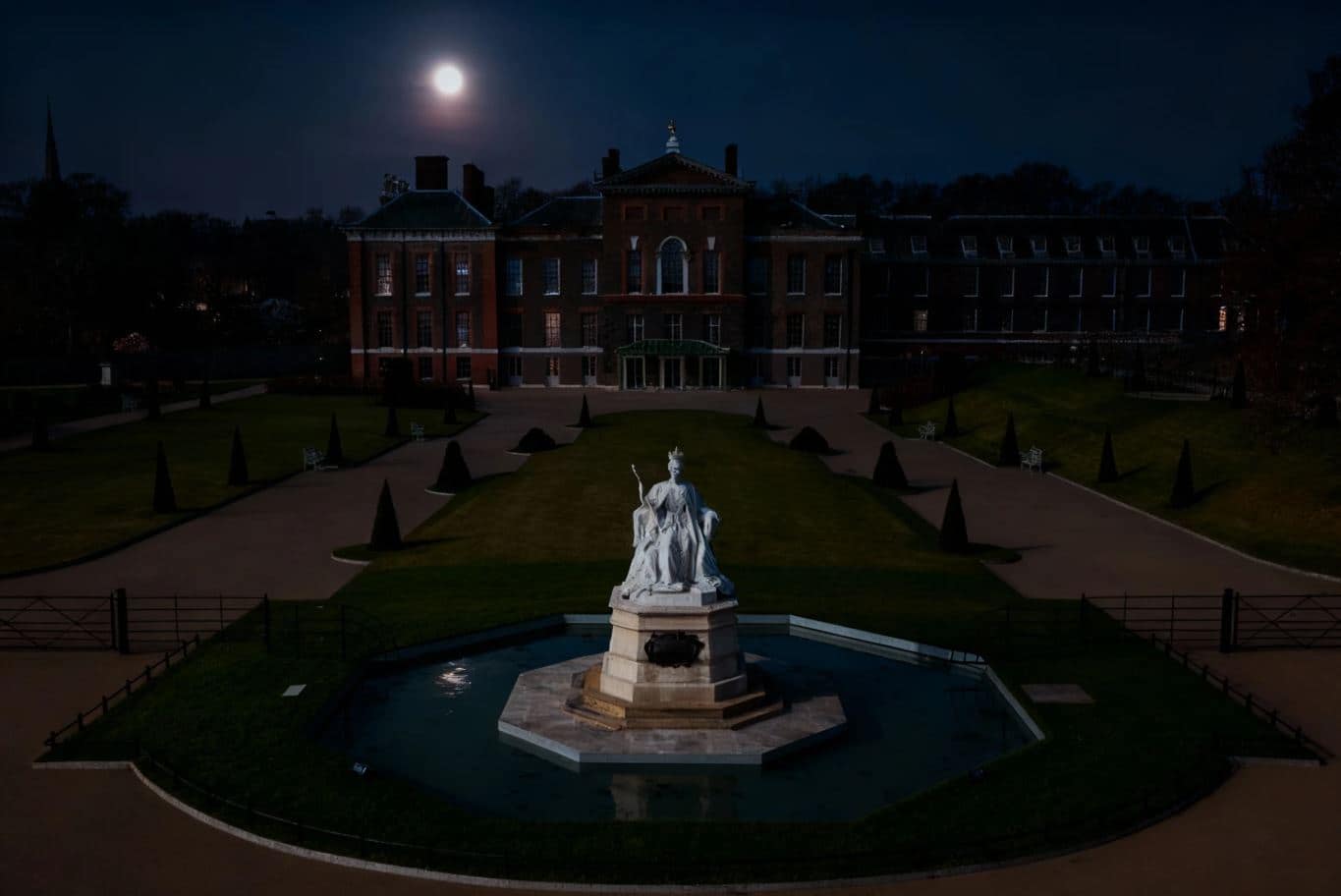
Kensington Palace is a royal residence with centuries of history and a strong link to royal ghost stories in London. It has been home to members of the royal family, including queens and princes, and has witnessed many private and political events over time. The building reflects both royal life and personal struggles within the monarchy.
Two of the most well-known stories involve “Wild Peter,” a mysterious child reportedly found in a forest and later connected to the palace area, and Princess Sophia, who is said to appear seated at her spinning wheel. These accounts are part of long-standing traditions rather than verified events, but they remain popular in discussions about London’s royal paranormal history.
10. The Bank Of England
Location: Threadneedle St, London EC2R 8AH
The Bank of England is one of the most important financial institutions in the country and also a well-known site in folklore-based haunted places in London. Its long history in the City of London has led to many stories about unexplained sightings connected to its past and surrounding streets.
The most famous legend is that of the “Black Nun,” a woman said to search endlessly for her brother, who was executed for forgery. People have reported seeing a dark figure near the building, especially at night. While there is no evidence to confirm these sightings, the story remains one of the most enduring ghost legends linked to London’s financial district.
11. Aldwych Underground Station
Location: Aldwych, Strand, London WC2B 4NA
Aldwych Underground Station is one of London’s most famous abandoned Tube stations and a key site in haunted places in London connected to the city’s underground history. It was closed in 1994, but its dark tunnels, old platforms, and silent corridors remain intact. During wartime, it also served as a shelter during air raids, which adds to its heavy historical atmosphere.
Over the years, staff and visitors have reported strange sounds, footsteps, and sudden drops in temperature deep inside the station. Some accounts also mention shadow-like figures moving along the empty platforms. While there is no proof of paranormal activity, the combination of isolation, wartime history, and silence makes it one of the most talked-about abandoned underground stations in London.
12. The Old Operating Theatre
Location: 9A St Thomas St, London SE1 9RY
The Old Operating Theatre is one of the oldest surviving surgical theatres in Europe and a strong example of medical haunted places in London. It dates back to the early 19th century, when surgeries were performed without modern pain relief or proper sanitation. The space reflects a time when medical procedures were extremely painful and often fatal.
Visitors often describe a strong sense of discomfort and emotional heaviness inside the theatre. Some reports mention shadows near the wooden operating table and unusual feelings during demonstrations. These experiences are usually linked to the building’s real history of suffering and early medical practices, making it one of the most intense historical sites in London.
13. Royal Albert Hall
Location: Kensington Gore, South Kensington, London SW7 2AP
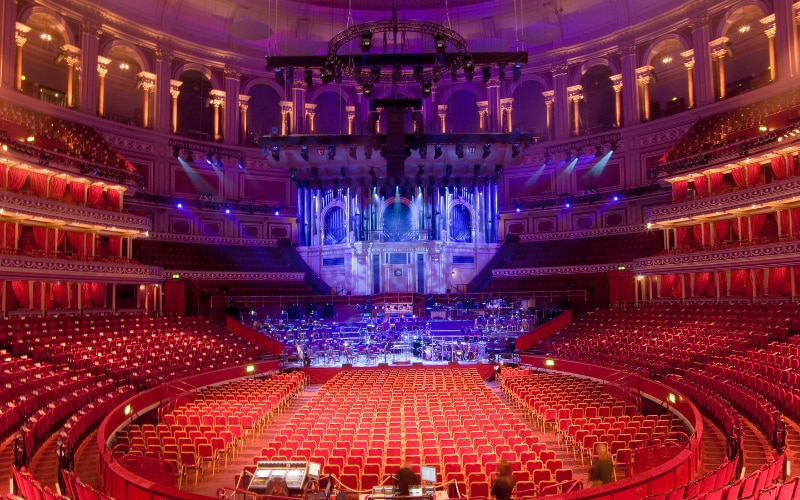
The Royal Albert Hall is one of London’s most famous performance venues and an important location in haunted theatres and halls in London. Opened in 1871, it has hosted concerts, events, and public gatherings for over a century. Its grand design and large seating area give it a strong cultural presence in the city.
One of the most well-known stories is linked to Henry Willis, the organ builder who worked on the hall’s massive organ. It is said that his spirit returns to check the instrument. Staff and visitors have also reported unexplained figures in the upper seating areas, especially when the hall is empty. These stories continue to shape its reputation as a place where history and performance meet.
14. St Paul’s Cathedral Crypt
Location: St Paul’s Churchyard, London EC4M 8AD
St Paul’s Cathedral Crypt is a vast underground burial space beneath one of London’s most iconic buildings. It is an important site in religious haunted places in London, holding the remains of important figures from British history, including military leaders and artists. The crypt reflects centuries of national events and memorials.
Visitors often describe a heavy, quiet atmosphere when walking through the space. Some reports mention unexplained sounds and sudden changes in temperature. These experiences are often linked to the large number of burials and the emotional weight of the site, making it one of the most atmospheric underground spaces in the city.
15. The Spaniards Inn
Location: Spaniards Rd, Hampstead, London NW3 7JJ
The Spaniards Inn is a historic pub in Hampstead that plays a major role in haunted pubs in London. It dates back to the 16th century and was once a stop for travellers and highwaymen. Its long history and rural setting at the time have led to many stories of crime and unrest.
One of the most famous legends is linked to Dick Turpin, the highwayman who is said to have stayed at or visited the pub. Another ghost story mentions a Spanish landlord’s daughter whose spirit is believed to linger. Visitors often report strange feelings and unexplained sounds, especially in the older parts of the building.
16. Chislehurst Caves
Location: Caveside Cl, Chislehurst, London BR7 5NL
Chislehurst Caves are a vast underground network stretching for miles beneath southeast London. They are a major site in underground haunted places in London, with a history that includes mining, wartime shelter use, and cultural events. The caves have been used for centuries, creating a deep and layered historical background.
Because of the darkness, maze-like tunnels, and long history, visitors often report disorientation and unusual sounds. Some stories mention figures moving in the distance or voices echoing through the tunnels. While these accounts are not proven, the caves remain one of the most atmospheric underground locations in London.
17. The Grenadier Pub
Location: 18 Wilton Row, Belgravia, London SW1X 7NR
The Grenadier Pub is a historic military pub strongly linked to haunted pubs in London. It was originally used by soldiers, and its history is connected to discipline, gambling, and military life. The building has a strong traditional atmosphere that reflects its past.
The most well-known ghost story is about a soldier who was punished for cheating at cards. His spirit is said to remain in the pub, and visitors report cold spots and strange feelings in certain areas. The pub’s military past and long-standing stories make it a popular stop for those interested in London’s ghost folklore.
18. Cross Bones Graveyard
Location: 18 Redcross Way, London SE1 1TA
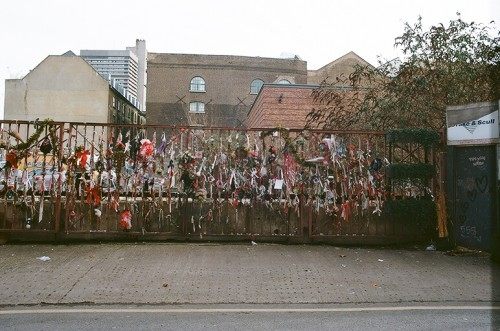
Cross Bones Graveyard is one of the most emotionally powerful sites in haunted burial grounds in London. It was originally used as a burial site for outcasts, including prostitutes and people who were not allowed burial in churchyards. Over time, thousands of people were buried here in unmarked graves.
Today, visitors describe a quiet but heavy atmosphere. The site has become a place of remembrance, with ribbons and notes left in memory of the dead. While there are no traditional ghost stories, the emotional history of the site gives it a strong sense of presence and reflection.
19. Greenwich Foot Tunnel
Location: Cutty Sark Gardens, Greenwich SE10 9HT
The Greenwich Foot Tunnel is a long pedestrian tunnel running under the River Thames. It is an important site in atmospheric underground places in London, built in the early 20th century to connect Greenwich with the Isle of Dogs. The tunnel is still used today, but it retains its old structure and feel.
Many people report echoing footsteps, sudden silence, and flickering lights while walking through it. Some also describe feeling as if they are being followed, even when the tunnel is empty. These experiences are often linked to its enclosed design and long underground stretch.
20. Sutton House
Location: 2 and 4 Homerton High St, London E9 6JQ
Sutton House is a Tudor building in Hackney and an important example of historic haunted houses in London. Built in the 16th century, it has served many purposes over time, including as a home, school, and community space. Its long history gives it a strong connection to London’s early domestic life.
The most famous ghost story is the “Blue Lady,” believed to be the spirit of a woman who once lived there. Visitors and staff have reported cold spots, strange movements, and unusual feelings in certain rooms. The building’s age and preserved structure make it a key site for those interested in London’s older residential history and ghost stories.
21. Cock Lane
Location: Cock Lane, Smithfield, London EC1A 9BU
Cock Lane is one of the most important sites in haunted folklore in London, not because of a ghost, but because of a famous fraud. In 1762, reports of strange knocking sounds in a house here attracted huge public attention. People believed a spirit was communicating from beyond the grave, and the case quickly became a sensation across London.
The story was later proven to be a hoax, but it remains a key example of early ghost hysteria in the city. Even though no real paranormal activity was confirmed, Cock Lane is still studied today as one of the most famous cases in London ghost history and urban legends.
22. St James’s Park
Location: St James’s Park, Westminster, London SW1A 2BJ
St James’s Park is one of London’s oldest royal parks and a well-known site in urban ghost stories in London. It is located close to Buckingham Palace and has been part of royal life for centuries. The lake, trees, and walking paths create a calm space, but it also carries darker stories from the past.
The most famous legend is the “Headless Lady,” said to appear near the lake or walking paths at night. According to stories, she is linked to a historical murder involving a soldier’s wife. While there is no proof of this event, the story remains one of the most well-known ghost tales connected to central London parks.
23. Postman’s Park
Location: King Edward St, London EC1A 7BX
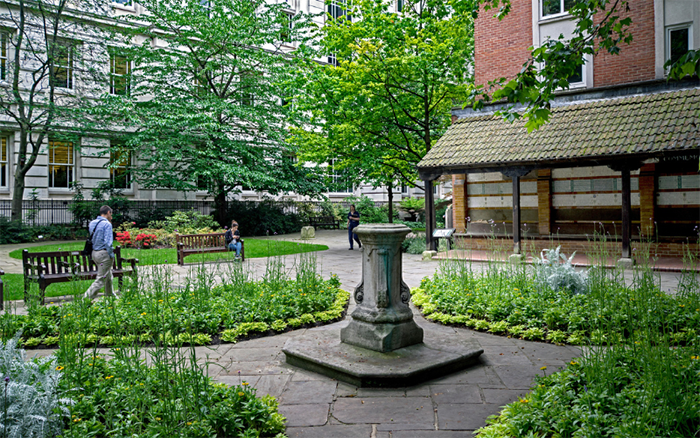
Postman’s Park is a quiet garden in the City of London known for its Memorial to Heroic Self-Sacrifice. It is an important site in atmospheric historical places in London, where ordinary people who died saving others are remembered on ceramic tiles. Each plaque tells a real story of bravery and tragedy.
Visitors often describe a strong emotional feeling rather than traditional ghost activity. The park’s focus on real-life sacrifice creates a reflective and somber mood. While there are no confirmed ghost sightings, the emotional weight of the memorial gives the space a powerful sense of presence.
24. St James Garlickhythe
Location: Garlick Hill, London EC4V 2AF
St James Garlickhythe is a historic church in the City of London and a lesser-known site in the religious haunted places in London. It has survived major events, including the Great Fire of London and wartime damage, which adds to its long and layered history.
The most famous story involves “Jimmy Garlick,” a mummified body once displayed in the church. Visitors have reported seeing strange movements or sensing a presence near the burial area. These accounts are not proven, but they contribute to the church’s reputation as one of London’s more unusual historic sites.
25. Covent Garden Underground Station
Location: Covent Garden, London WC2E 7BB
Covent Garden Underground Station is one of the busiest transport points in central London, but it is also linked to modern haunted transport stories in London. The station sits on a site with a long history of crime and theatre culture, which adds to its unusual reputation.
Some reports mention sightings of a tall man in old-fashioned clothing believed to be actor William Terriss, who was murdered in the late 1800s. Passengers and staff have also described unexplained feelings or brief visual disturbances. These stories make it one of the more well-known haunted locations in the London Underground system.
26. Fulham Palace
Location: Bishop’s Ave, Fulham, London SW6 6EA
Fulham Palace is a former bishop’s residence with a long religious history, making it a key site in ecclesiastical haunted places in London. It has been home to bishops for centuries and includes gardens, old rooms, and preserved historical sections.
The most common reports involve sightings of a “grey lady” walking through the halls or gardens. Visitors also describe quiet footsteps and unusual cold areas inside the older parts of the building. These experiences are often linked to the palace’s long religious history and centuries of continuous occupation.
27. The Clink Prison Museum
Location: 1 Clink St, London SE1 9DG
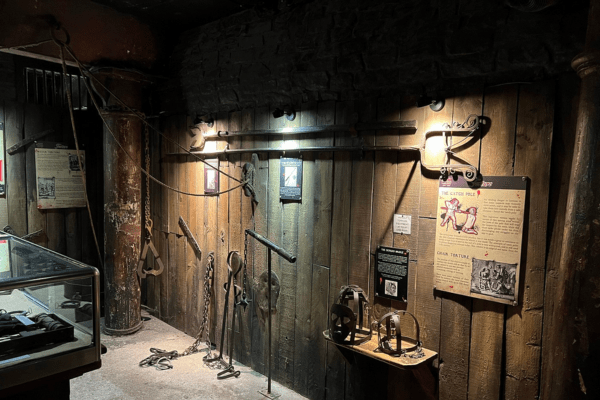
The Clink Prison Museum is built on the site of one of England’s oldest prisons, making it a major location in haunted prison history in London. It once held prisoners in harsh conditions, including debtors and religious offenders, during the medieval and Tudor periods.
Because of its violent past, many visitors report a heavy and uncomfortable feeling inside the museum. Some also mention unexplained sounds or sensations in the underground areas. While no ghost evidence exists, the prison’s real history of suffering strongly shapes its reputation today.
28. Westminster Abbey
Location: Dean’s Yard, London SW1P 3PA
Westminster Abbey is one of the most important religious buildings in the United Kingdomand a central site in royal haunted history in London. It has hosted coronations, royal weddings, and burials for centuries, making it a deeply significant historical space.
Some stories suggest sightings of monks or figures dressed in old religious clothing moving through the cloisters. These accounts are not confirmed, but the abbey’s long history of burials and ceremonies contributes to its strong spiritual atmosphere.
29. Bruce Castle
Location: Lordship Ln, Tottenham, London N17 8NU
Bruce Castle is a historic manor house in Tottenham and an important site in tragedy-linked haunted houses in London. Built in the Tudor period, it has served as a family home, school, and museum over the centuries. Its long history gives it many layers of use and change.
The most well-known story is about a “lady in white” believed to be linked to a tragic death in the 17th century. Visitors and staff have reported seeing her figure near windows or balconies, especially during quiet hours. These accounts remain part of local folklore connected to the building.
30. Bleeding Heart Yard
Location: Greville St, Farringdon, London EC1
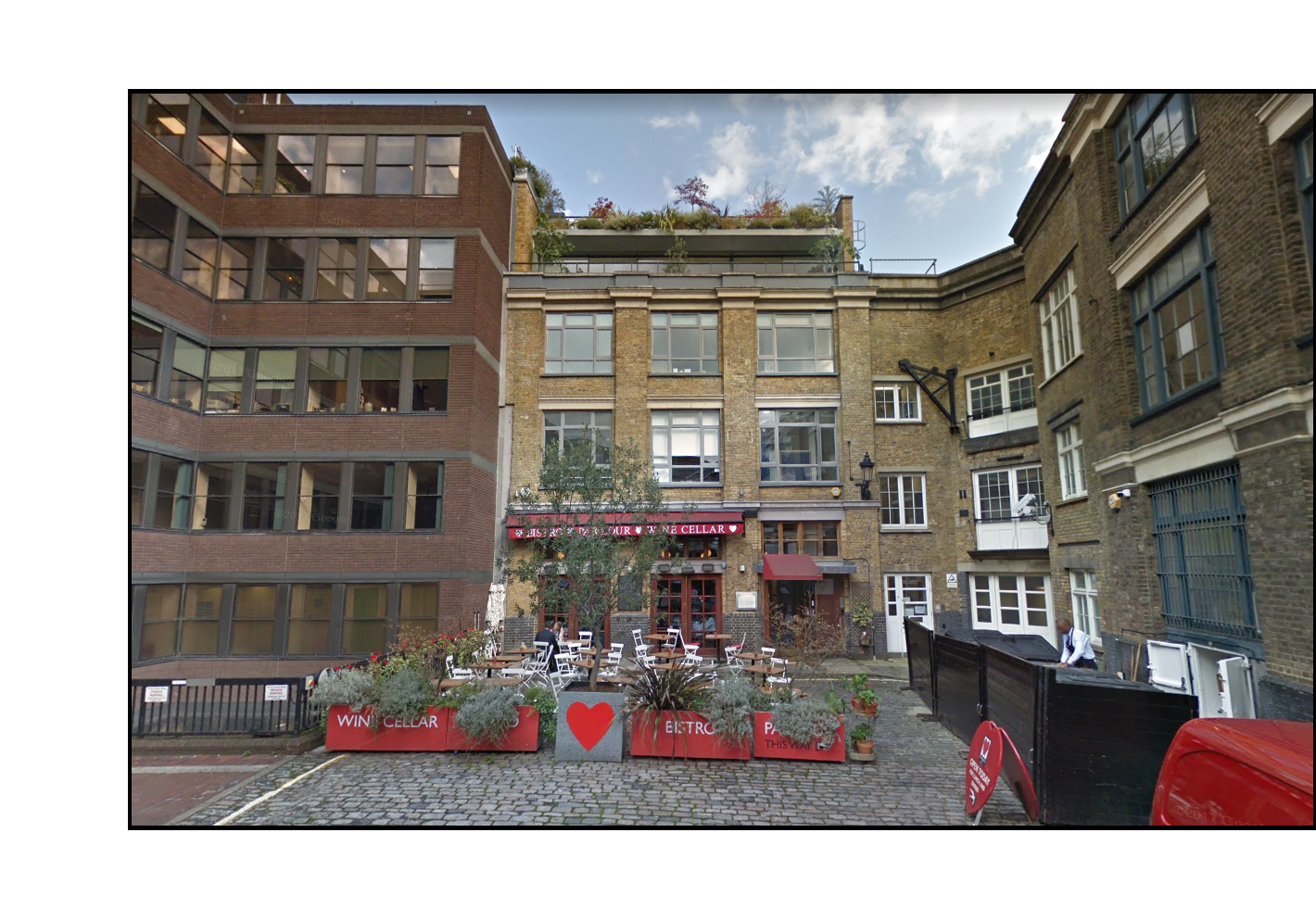
Bleeding Heart Yard is a small courtyard in central London known for one of the city’s most famous moral legends in dark folklore in London. The story is linked to Lady Elizabeth Hatton, whose tragic death became the centre of a long-standing myth involving betrayal and loss.
Visitors often describe the area as quiet but slightly uneasy, especially at night. While there are no confirmed ghost sightings, the emotional weight of the legend and its connection to historical figures make it one of London’s most well-known storytelling locations.
Understanding London’s Haunted History
1. Why London Has So Many Haunted Places
London has been continuously occupied for nearly 2,000 years. Over time, different layers of history have built on top of each other, creating a dense mix of Roman, medieval, Tudor, and Victorian sites.
Many haunted locations are connected to:
- Public executions and royal deaths
- Old burial grounds and plague pits
- Wartime destruction and rebuilding
- Prisons and poor living conditions in historic districts
Because these events happened in specific locations that still exist today, stories naturally developed around them over time.
2. Real History Vs Ghost Legends In London
Not every haunted story in London is based on confirmed history. Some are linked to real events, while others grew from rumours, misunderstandings, or storytelling traditions. In some cases, these stories are not limited to places but extend to objects believed to carry unusual energy or histories.
Folklore across Britain includes tales of cursed artefacts and haunted gemstones, where certain items are thought to be connected to misfortune, unexplained events, or lingering spiritual presence. Like haunted locations, these stories are rarely supported by evidence but continue to spread because they are tied to mystery, belief, and historical imagination.
For example:
The Tower of London has documented royal imprisonments and executions Cock Lane became famous because of a proven 18th-century hoax Many pub ghost stories are based on local legends rather than records
Understanding this difference helps you see London’s haunted sites as part history, part folklore, and part cultural storytelling.
3. Most Famous Ghost Stories In London
Some ghost stories appear again and again because they are deeply connected to well-known historical figures.
- Anne Boleyn is often linked to the Tower of London
- Catherine Howard is associated with Hampton Court Palace
- The Black Nun is tied to the Bank of England
- The Man in Grey is linked to Drury Lane Theatre
These stories remain popular because they combine real historical figures with strong emotional narratives.
4. Why People Still Visit Haunted Places In London
People visit these locations for different reasons. Some are interested in history, while others enjoy the atmosphere or cultural stories attached to the places.
Haunted sites also connect visitors to London’s past in a direct way. Standing in a place where major historical events happened creates a stronger sense of connection than reading about it.
For many, it is not about belief in ghosts; it is about experiencing history more emotionally and memorably.
Planning Your Visit To Haunted Places In London
Best Time To Visit Haunted Places In London
The time you visit can strongly shape your experience. Many haunted places in London feel very different during the day compared to late afternoon or evening. Daytime visits are better for learning history and seeing details clearly, especially at places like the Tower of London or Westminster Abbey.
Evening hours, however, bring quieter streets, lower crowds, and a stronger sense of atmosphere, especially around old pubs, cemeteries, and historic alleyways. One of the best London travel tipsfor those seeking a chill is to arrive at these sites just as the sun begins to set.
Most ghost tours in Londonalso run after sunset, not because of guaranteed paranormal activity, but because the city naturally feels more intense when it is dark and quieter.
How To Plan A Haunted London Itinerary
London is large, and haunted sites are spread across different areas. A good itinerary helps you avoid wasting time moving back and forth across the city.
A simple one-day plan can focus on clusters:
- Morning: Tower of London and nearby sites
- Afternoon: Westminster area (St James’s Park, Westminster Abbey)
- Evening: South Bank or East London ghost walk
If you have more time, split your visit into themed routes like royal locations, prison history, or Jack the Ripper sites in Whitechapel. This makes the experience easier to follow and more meaningful.
Guided Ghost Tours Vs Independent Visits
Both options give different experiences, and choosing between them depends on how you like to explore.
Guided ghost tours are helpful if you want storytelling, local legends, and structured walking routes. Guides often share detailed history that is not obvious when visiting alone, especially in areas like the East End or the City of London.
Independent visits give you more freedom. You can spend more time in quiet places like cemeteries or old churches without a group moving quickly. This option works better if you prefer slow travel and personal reflection.
What To Expect At Haunted Locations
Most haunted places in London are not designed to deliver paranormal experiences. Instead, they offer strong historical atmosphere shaped by real events such as executions, wars, fires, and crime.
You should expect:
- Historical buildings with guided or restricted access
- Crowded conditions at famous sites like the Tower of London
- Quiet, reflective spaces in cemeteries or memorial parks
- Stories and legends shared by guides rather than confirmed sightings
The value comes from understanding the history, not from expecting something supernatural to happen.
Safety Tips For Visiting Haunted Places In London
London is generally safe, but many haunted sites are old, crowded, or located in busy urban areas. A few simple precautions improve your experience.
Always stay in public or allowed areas, especially in historic buildings and underground stations. Some locations close early, so checking official websites before visiting is important.
If you are visiting at night or joining a ghost tour, stick with groups in unfamiliar areas. Wear comfortable shoes because many routes involve long walks across cobbled streets or uneven paths.
Quick Planning Checklist
Before visiting haunted places in London, make sure you:
- Choose 2-3 locations per day to avoid rushing
- Check opening times on official websites
- Decide between a ghost tour or a solo visit
- Plan transport routes in advance
- Visit later in the day for a stronger atmosphere
People Also Ask
What Is The Most Haunted Place In London?
The Tower of London is widely considered the most haunted place in London, with reports linked to Anne Boleyn, royal prisoners, and historical executions.
Are Haunted Places In London Real Or Just Legends?
Many stories are based on real historical events, but ghost sightings themselves are part of folklore and personal reports, not proven facts.
What Is The Best Time To Visit Haunted Places In London?
Late afternoon and evening are best because crowds are smaller and historic locations feel more atmospheric.
Why Does London Have So Many Haunted Places?
London has over 2,000 years of history involving wars, executions, plagues, and prisons, which created strong historical ghost legends.
Are London Underground Stations Haunted?
Some abandoned and older Underground stations have reported unusual sounds or sightings, but these are not officially confirmed.
Final Thought
London’s haunted places reflect real events that shaped the city over centuries. Behind every location is a mix of history, folklore, and human experience that still draws visitors today.
These sites offer more than ghost stories; they provide a deeper connection to London’s past. Whether you visit during the day or at night, the experience is shaped by the history behind each place.
Plan your visit carefully, focus on key locations, and take time to understand the stories that continue to define London’s most haunted sites.