Where The Dead Speak: Exploring The Most Haunted Places In France
They say Paris is the City of Light, but those of us who walk the shadow path know better. Beneath the cobblestones of the Marais and behind the gilded gates of the Loire Valley lies a different France, one soaked in the blood of revolutions, the tears of imprisoned queens, and the restless energy of centuries past.
I am Vincent Bloodworth, and for decades, I have charted the geography of the macabre. France is not merely a destination for lovers and gourmands; it is a necropolis disguised as a garden.
From the ossuaries that hold the foundation of Paris to the mist-shrouded abbeys where monks were slaughtered, the veil here is perilously thin.
To visit these places is to invite the past to speak. The question is, are you brave enough to listen?
Key Takeaways:
- The Unholy Trinity:We profile France's three definitive haunts: Château de Fougeret for active paranormal investigations, the Catacombs of Paris for oppressive subterranean atmosphere, and Château de Brissac for its famous Green Lady apparition.
- A Spectrum of Spirits:The guide explores the varying nature of French hauntings, distinguishing between the aggressive poltergeist activity reported at Fougeret and the sorrowful, benevolent spirits like the White Lady of Puymartin or the starved servant Lucie.
- Practical Access:Unlike standard folklore lists, we clarify the reality of visiting. Discover which locations are public museums, which offer ghost-hunting workshops, Fougeret, and which allow brave guests to stay overnight at Brissac.
- History as Horror:We examine how France's specific historical traumasfrom the psychic shockwave of the Revolution to the massacres of WWIIhave created a landscape where the haunting is often a replay of past violence.
Access And Booking Reality: How To Visit France’s Haunted Sites Without Getting Turned Away
A haunted itinerary lives or dies on logistics. The biggest difference between a chilling, cinematic trip and a frustrating one is knowing what’s actually visitable, when you need tickets, and what open to the public really means in France.
Many of these places fall into three categories:
- Public sites (museums, memorials, gardens):usually straightforward, but can have timed entry, closures, or security rules.
- Private châteaux:often seasonal, frequently reservation-based, and sometimes only accessible via tours, special events, or overnight stays.
- Ruins, tunnels, and forbidden zones:legends love them, but access may be restricted, illegal, or physically unsafe.
To fix this across the guide, add the same quick-reference box to every location so readers can plan with confidence.
What To Include In Every Access And Booking Reality Box
Use this exact template under each site:
- Where:Region + nearest major city (so people can route the trip)
- Visit type:Museum / guided tour / ruins / overnight stay / investigation night
- Booking reality:Walk-in vs timed tickets vs reservation required
- Seasonality:Year-round vs limited months; note varies by season
- Time needed:45–90 min / 2–3 hours / half-day / full-day
- Cost level:Free / budget / mid / premium (no need for exact prices unless you want to maintain them)
- Accessibility & warnings:stairs, uneven stone, claustrophobia, darkness, child-friendliness
- Best time to go:morning (quiet), late afternoon (atmosphere), evening (if allowed)
- Rules & respect:no flash, silence in memorials, stay on official routes, no trespassing
A Landscape Of Scars: Why France Is A Beacon For The Dead
To understand why France is so densely populated with spirits, one must look beyond the postcard image of romance and wine. This is a land where blood has been spilled on the same soil for over two thousand years.
From the brutal conquests of the Romans and the religious fervor of the Crusades to the industrial slaughter of the World Wars, the layers of history here are deep and violent.
The French Revolutionalone unleashed a psychic shockwave that many sensitive visitors claim to still feel today. When a society beheads its aristocracy and drowns its priests, it leaves a scar on the collective consciousness.
In France, the haunting is rarely about a single random event; it is about historical trauma frozen in time. The chateaus are not just homes; they are prisons. The fields are not just pastures; they are mass graves. When you walk here, you are walking on the bones of empires.
The Aristocracy Of The Dead: France's Most Haunted Chateaus
The French chateau is a symbol of wealth, power, and often, unchecked cruelty. Behind the Renaissance facades and manicured gardens lie centuries of family secrets that refuse to stay buried.
These are not merely ruins; many are inhabited homes where the current residents share their hallways with the spirits of their ancestors, creating a jarring juxtaposition of domestic life and historical horror.
Château De Brissac The Green Lady
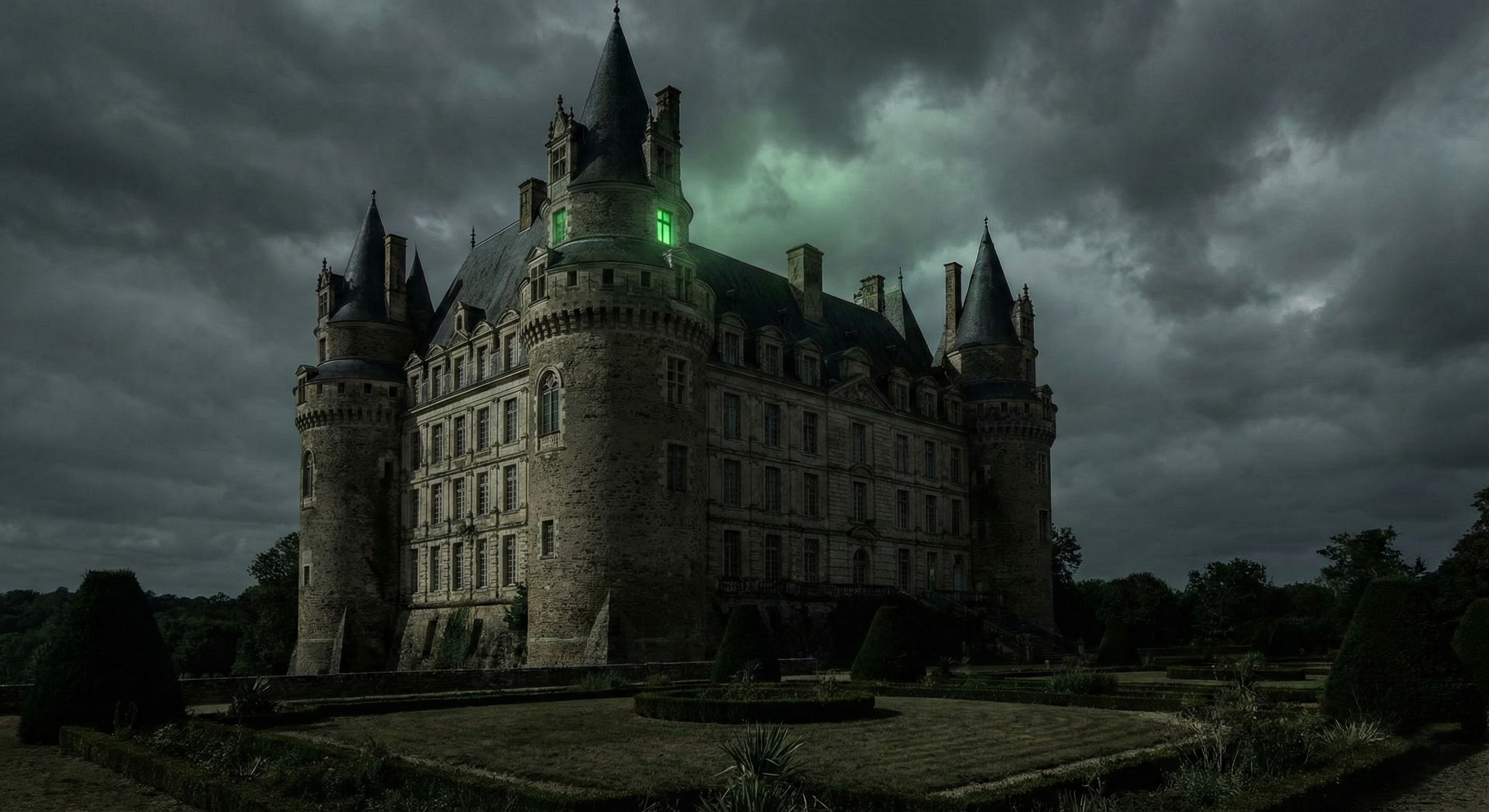
Known as the Giant of the Loire, this seven-story palace is the tallest in France, but its grandeur is overshadowed by a brutal 15th-century double murder.
Charlotte de Brézé, the illegitimate daughter of King Charles VII, was discovered here in a compromising position with her lover by her husband, Jacques. In a blind rage, Jacques ran them both through with his sword.
Today, Charlotte is the chateau’s eternal hostess. Known as la Dame Verte, The Green Lady, due to the emerald gown she wears, her apparition is most frequently spotted in the Tower Room of the chapel.
Witnesses describe a terrifying detail: her face is devoid of eyes and a nose, resembling a hollow skull-a grim reflection of her violent end. Unlike many ruins, the current Duke of Brissac still lives here, and brave guests can stay overnight in the chateau's guest rooms.
Château De Fougeret The Active Poltergeist
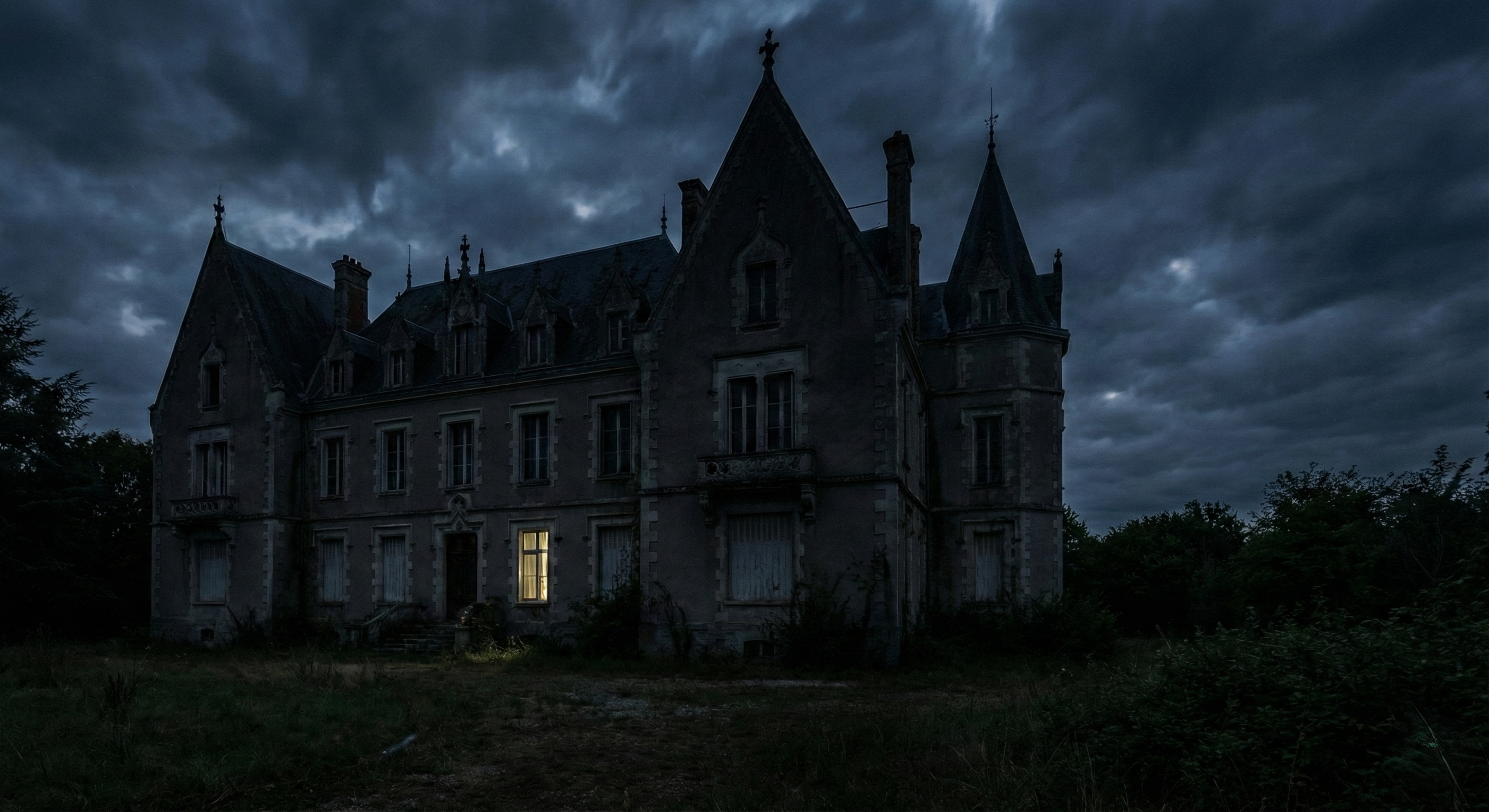
While Brissac is romantic, Fougeret is aggressive. Located in the Vienne department, this 19th-century Neo-Gothic chateau is widely regarded as the most active site in France.
It does not rely on centuries-old legends; the activity here is modern, frequent, and documented. The owners, the Geffroy family, report a litany of phenomena: heavy footsteps on empty floors, doors slamming with force, and distinct voices captured on EVP Electronic Voice Phenomena recorders.
It is a place of heavy, oppressive energy. Unlike other sites that shy away from their reputation, Fougeret leans into it, hosting workshops where visitors use dowsing rods and spirit boxes to communicate with the entities-Alice, Felix, and others-who claim dominion over the house.
Château De Puymartin: The Prisoner Of The Tower
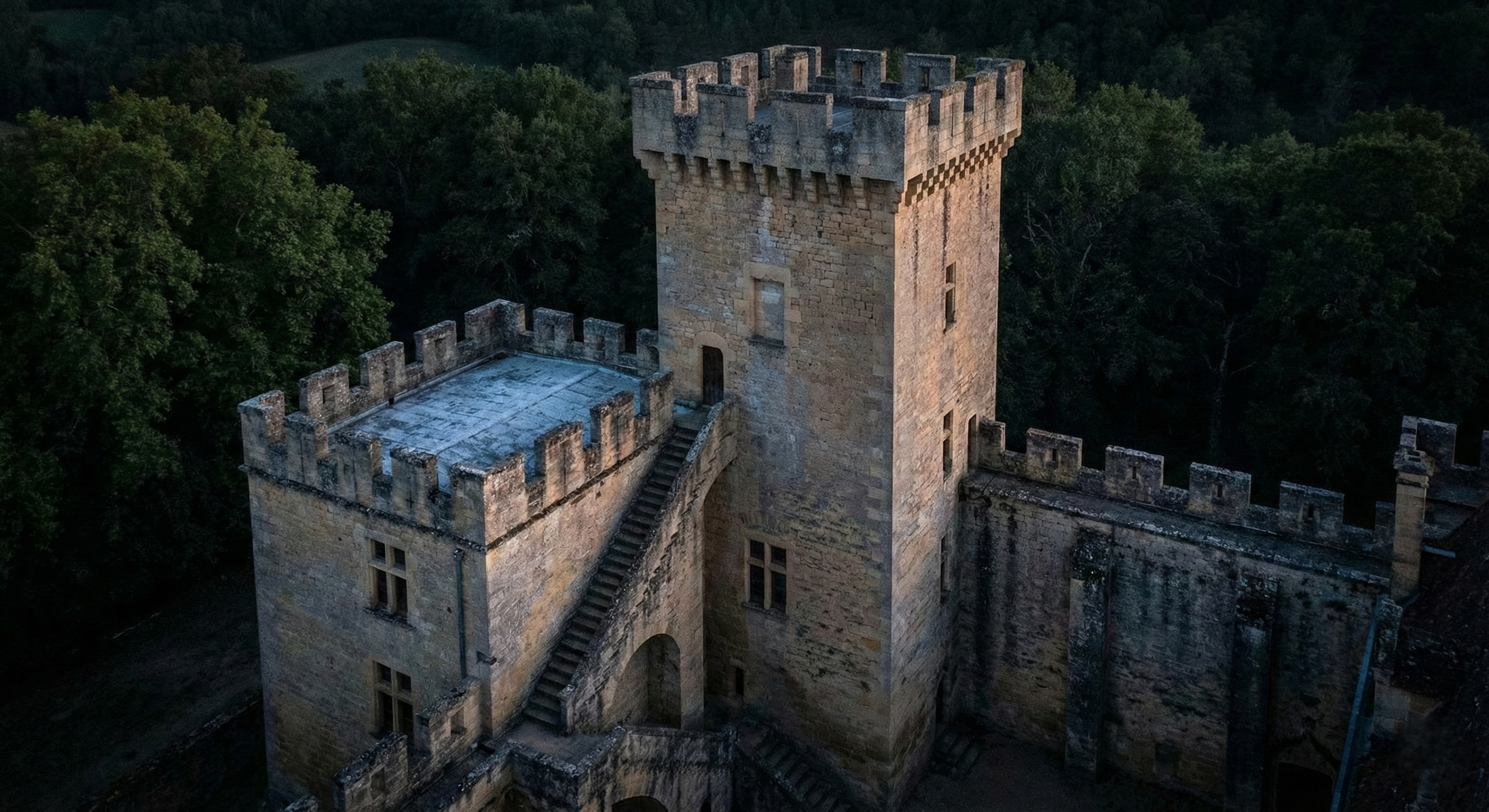
In the Dordogne region, the legend of the White Lady Dame Blanche is grounded in the tragic reality of Thérèse de Saint-Clar. In the 16th century, after being caught with a lover, her husband did not kill her quickly.
Instead, he imprisoned her in a small room in the North Tower for 15 years. Her door was walled up, leaving only a small hatch for food. She died in that cold stone box, her body immured within the walls.
Visitors and staff report seeing a white, misty figure wandering the battlements and the staircase leading to her former prison.
She is a melancholy spirit, often seen pacing, perhaps still counting the days of a sentence that ended centuries ago.
Château De Combourg: The Ghost With The Wooden Leg
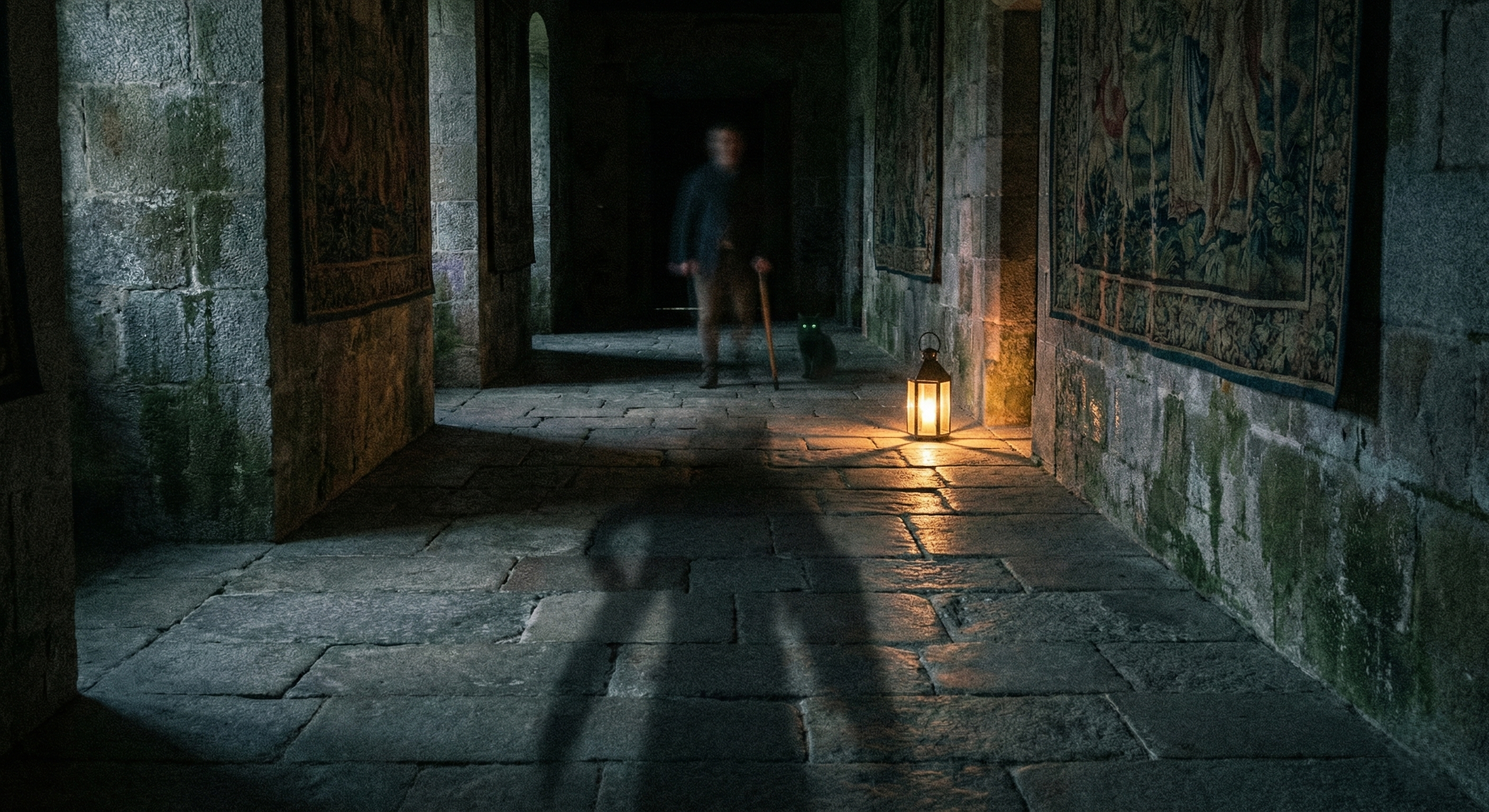
This brooding fortress in Brittany was the childhood home of the famous writer François-René de Chateaubriand, who wrote extensively about the castle’s gloomy atmosphere.
The haunting here is auditory and specific. The legend speaks of the Count of Combourg, a former lord with a wooden leg.
He is said to prowl the castle at night, accompanied by a black cat. Visitors and residents have reported the distinct, rhythmic sound-thud, drag, thud, drag-echoing on the stone stairs, followed by the phantom meow of his feline companion.
Chateaubriand himself claimed to have been terrified by these sounds as a boy, cementing the castle’s reputation in French literature.
Château De Veauce: The Starved Servant Lucie
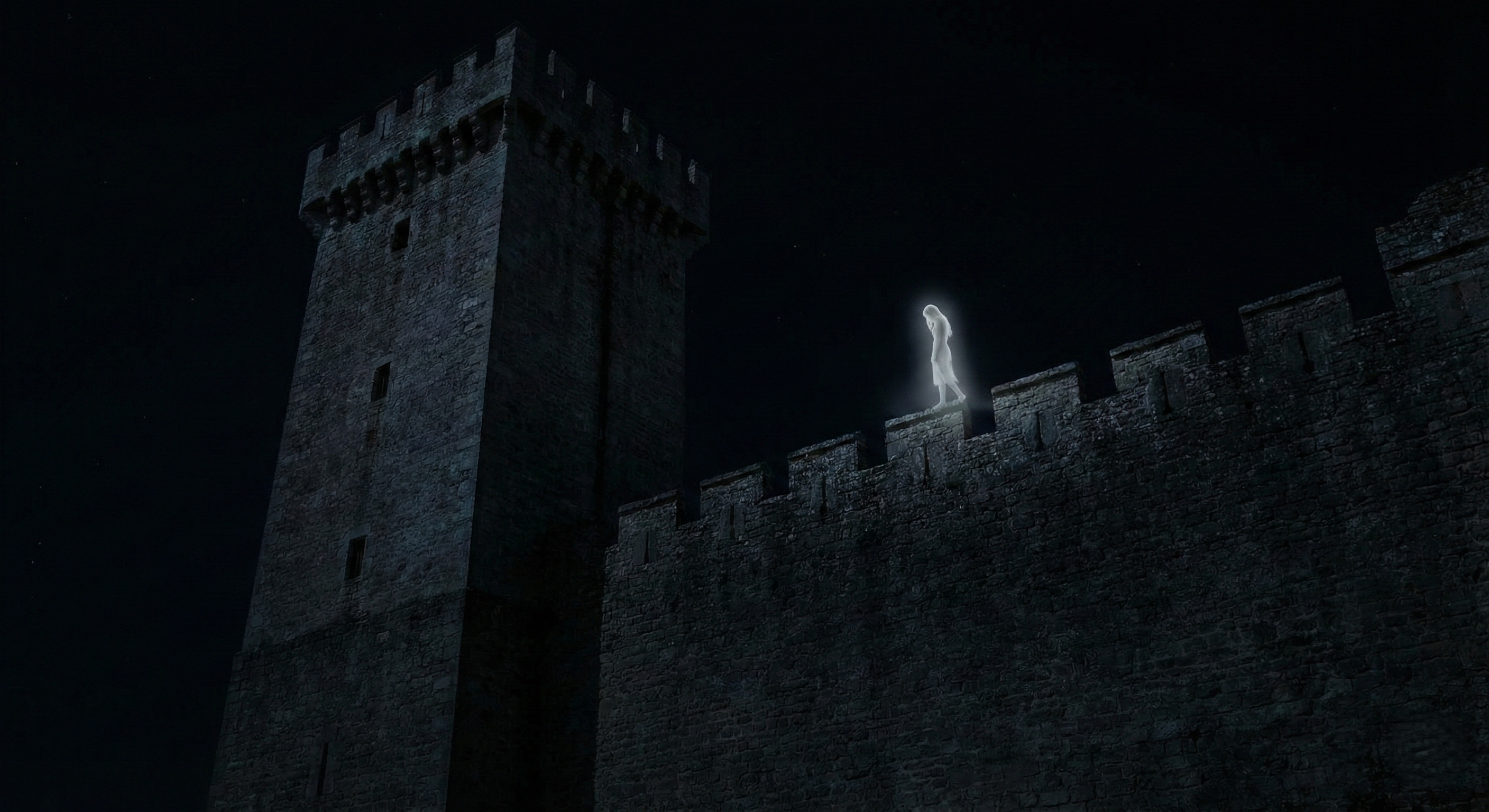
In the Allier region, the tale of Lucie is one of classic class warfare. In the 1500s, Lucie was a beautiful servant girl who caught the eye of the Baron de Veauce. The Baron’s wife, jealous and vindictive, waited until the Baron went to war.
She then threw Lucie into the prison tower and starved her to death. Lucie’s ghost is said to walk the battlements at midnight. Unlike the menacing spirits of other castles, legends describe her as a luminous, benevolent figure.
The castle has been the subject of numerous televised investigations, where mediums claim to have sensed the intense hunger and desperation Lucie felt in her final days.
Paris After Dark: The Capital's Ghostly Underbelly
Paris is built on layers of history, much of it violent. Beneath the lights of the café culture, the city hides a dark heart.
From the subterranean empire of the dead to the execution sites of the Revolution, the capital is a dense grid of paranormal hotspots where the timeline of the living often intersects with the timeline of the dead.
The Catacombs Of Paris: The Empire Of The Dead
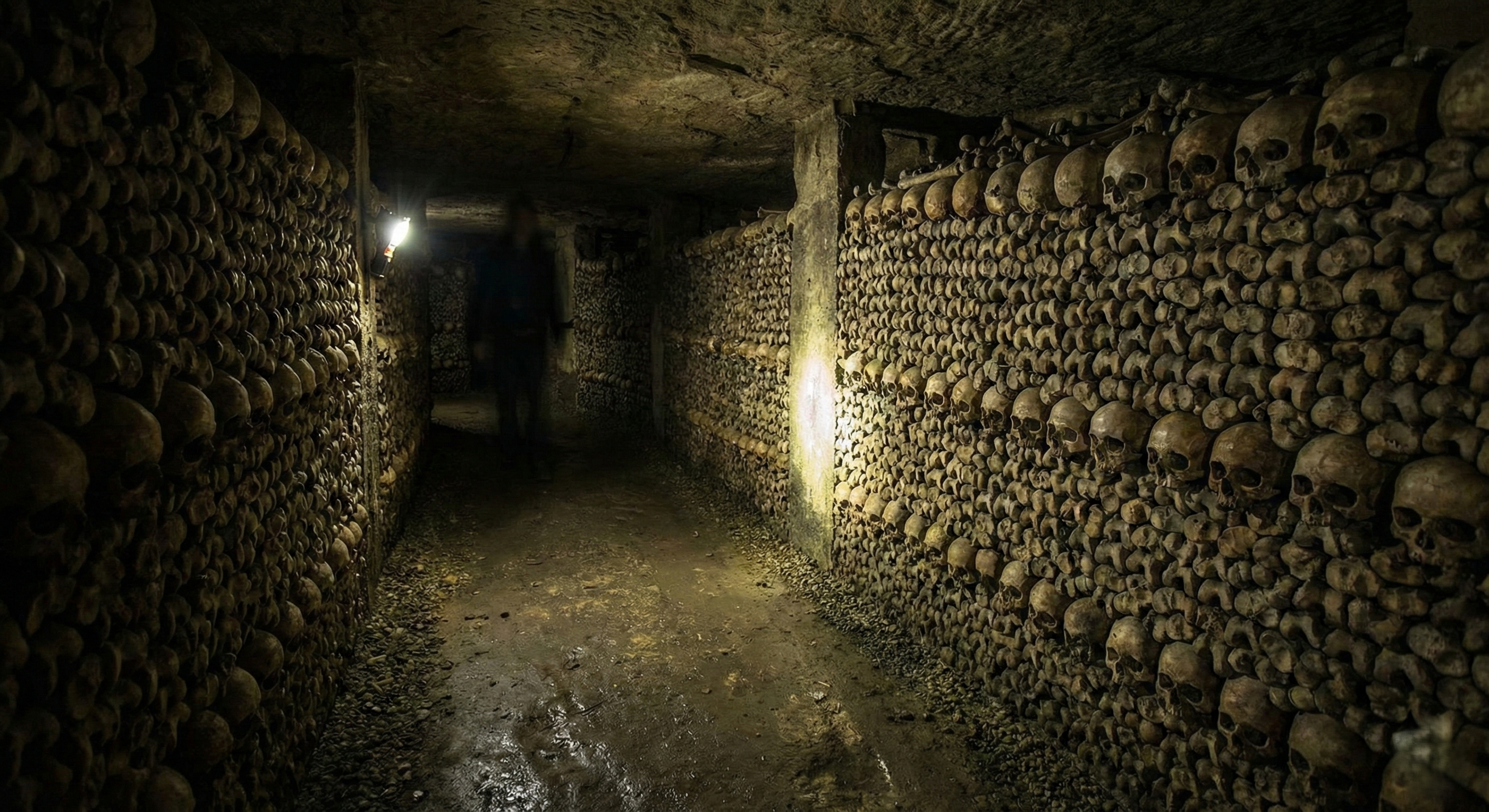
This is the world's largest grave. In the late 18th century, Paris’s cemeteries were overflowing, rotting corpses spilling into cellars. The solution was to move the bones of six million people into the limestone quarries beneath the city.
The official tour covers 1.5 kilometers of ossuary, but the network spans over 300 kilometers. The haunting here is collective-a heavy, suffocating pressure known to cause nausea and panic attacks.
Specific legends include Philibert Aspairt, the doorkeeper of the Val-de-Grâce hospital, who entered the tunnels in 1793 and never returned.
His body was found 11 years later, just feet from an exit. His spirit is said to extinguish flashlights and whisper to those who stray from the path.
Père Lachaise Cemetery: The Restless Poets
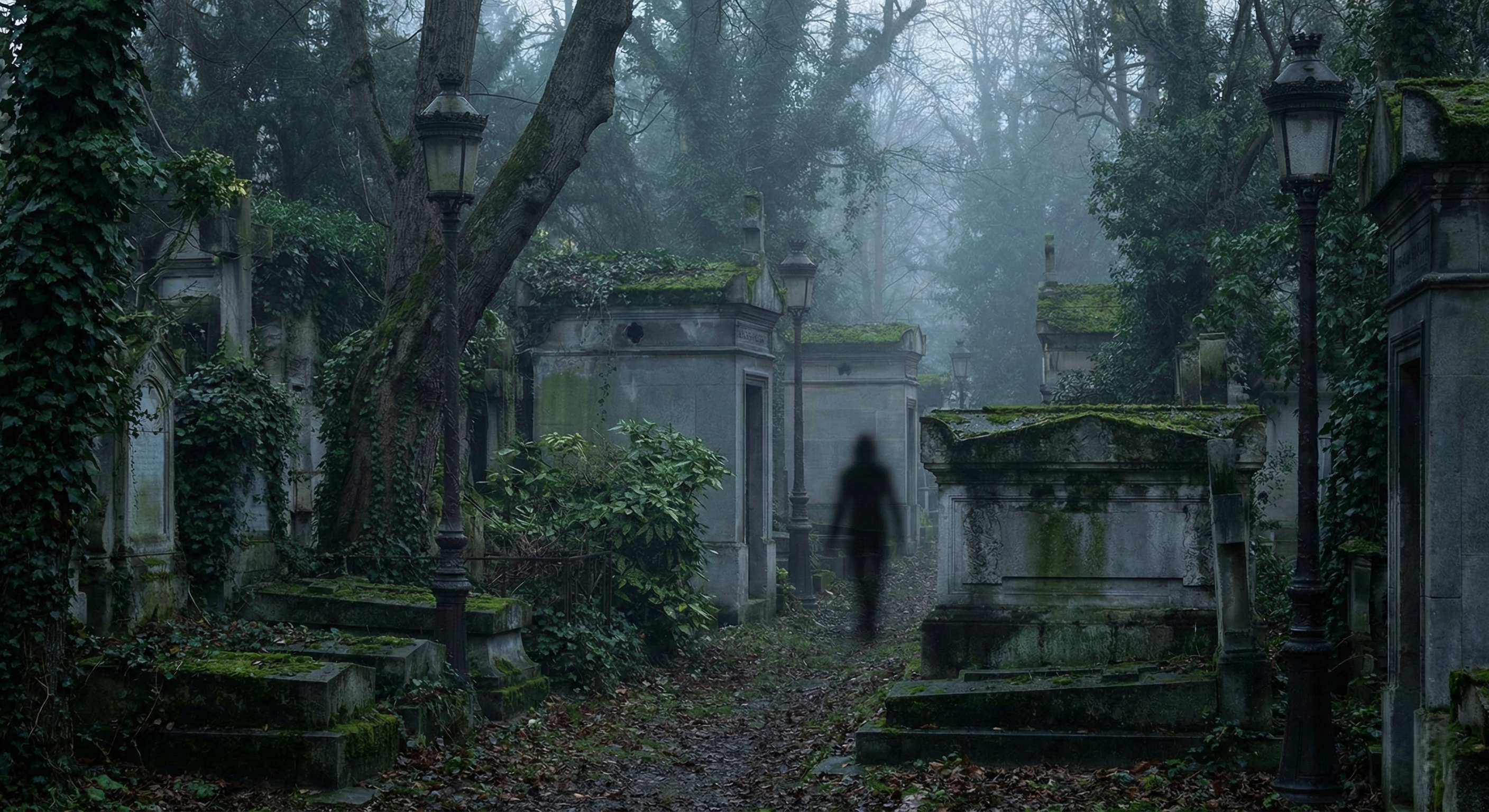
As the most visited cemetery in the world, Père Lachaise is a city within a city. It is the final resting place of Jim Morrison, Oscar Wilde, and Edith Piaf. However, it is the less famous residents who cause the unease.
The cemetery is a hotspot for cult activity and black magic rituals, often found at the graves of Allan Kardec, the father of Spiritism, and the sheer cliffs of the Commoners' Ditch.
Visitors frequently report shadow people-dark, fleeting shapes that dart between the mausoleums. There is also a persistent sensation of being followed, particularly in the older, overgrown sections of the cemetery.
The Tuileries Garden: The Red Man Omen
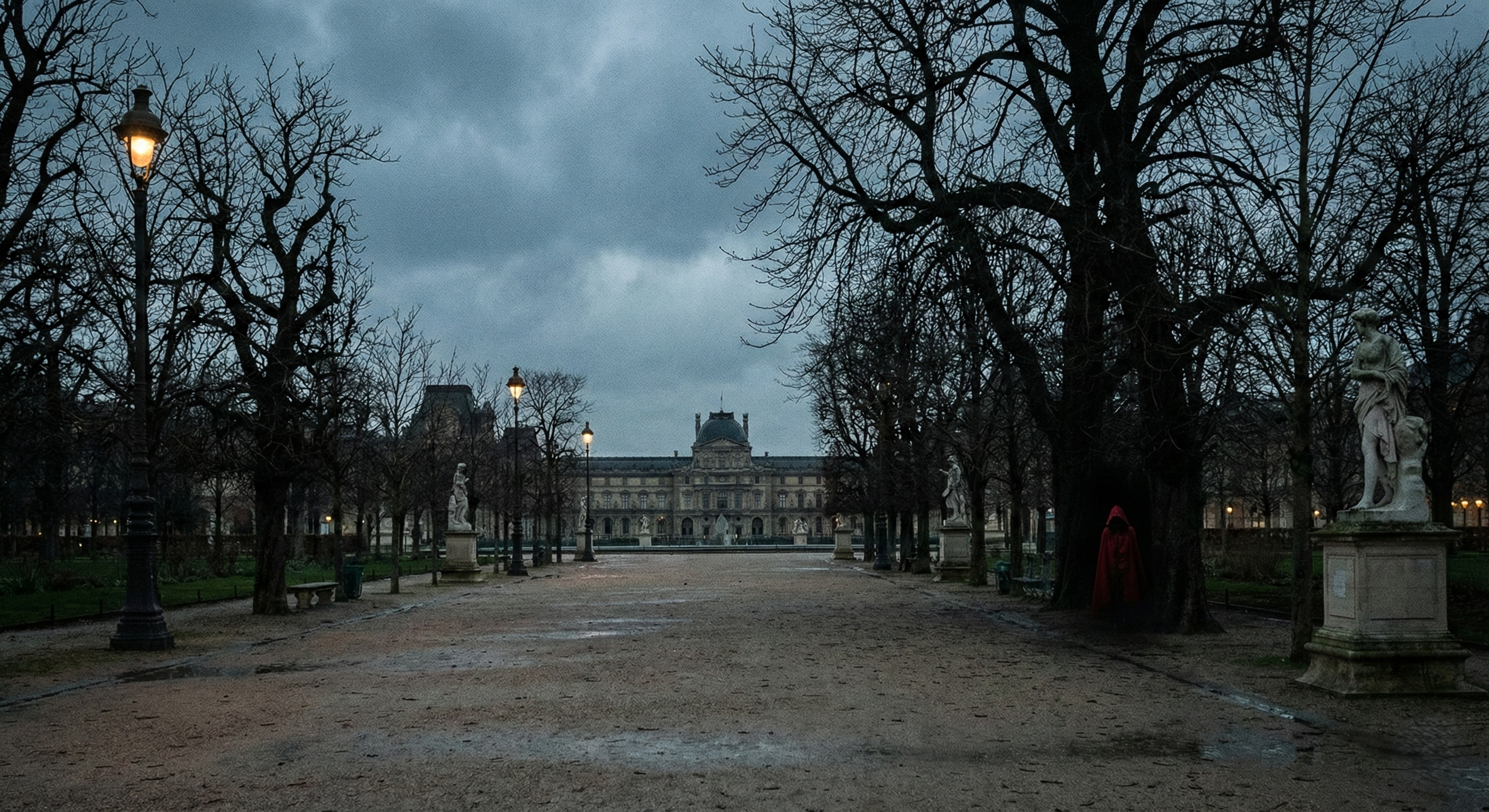
This perfectly manicured public park hosts one of France’s most famous royal curses: L'Homme Rouge, The Red Man.
Legend says he was a butcher named Jean, executed by Catherine de' Medici because she feared he knew too many secrets.
Jean swore vengeance. He appeared as a small, red-clad goblin figure to French monarchs as a harbinger of doom.
He reportedly appeared to Marie Antoinette before the fall of the monarchy and to Napoleon before Waterloo.
Napoleon’s shadow doesn’t end with omens in palace gardens; it lingers in the modern obsession with his artifacts, too.
If you want a quick glimpse at how that legacy still translates into money and influence, see Pierre-Jean Chalençon’s Napoleonic collection and estimated fortune.
While the palace he haunted burned down in 1871, the Red Man is still said to lurk in the shadows of the gardens, a specter of political ruin.
The Conciergerie Marie Antoinette’s Cell
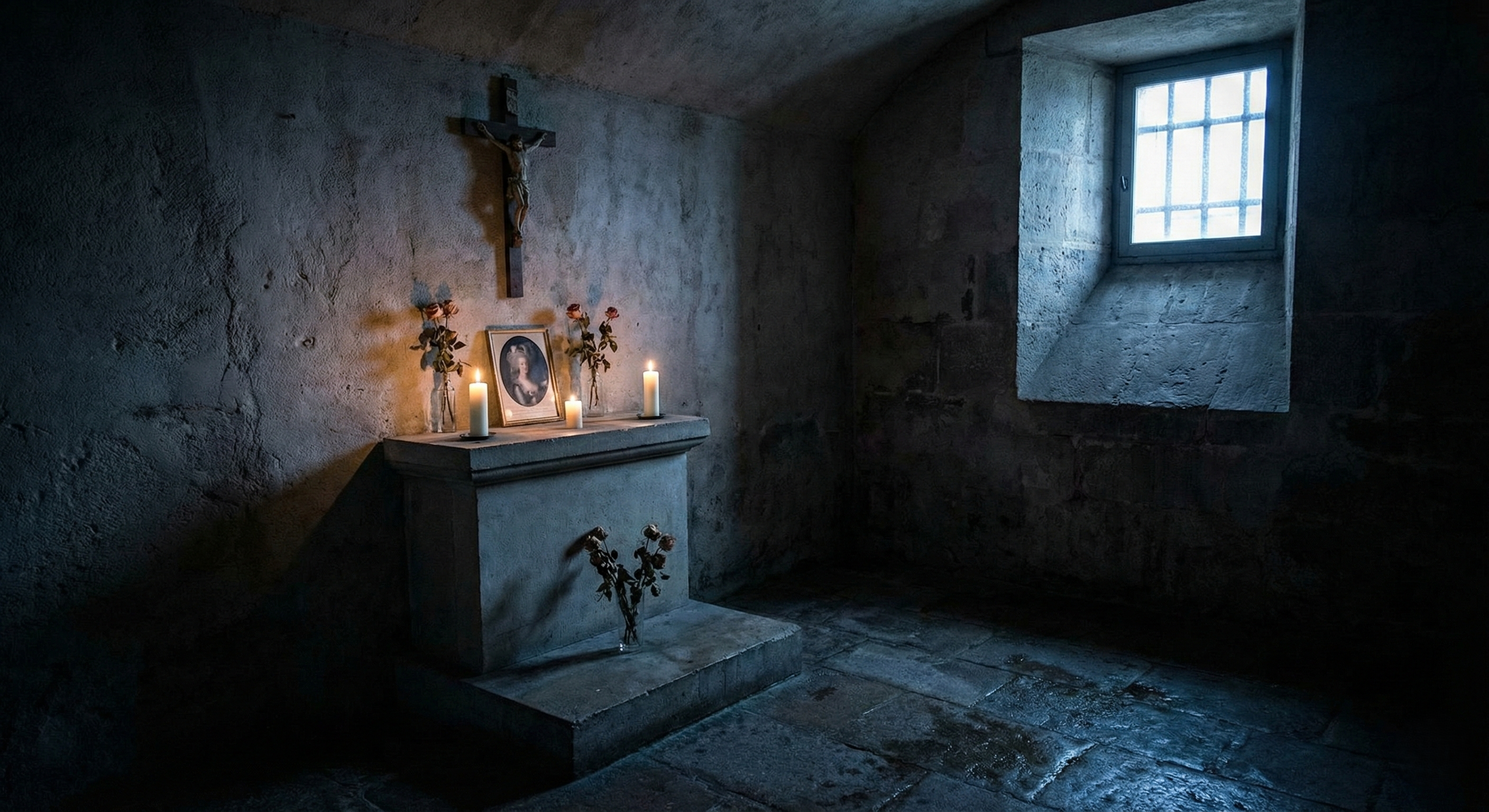
Before the guillotine, there was the Conciergerie. This Gothic palace turned revolutionary prison held thousands before their execution, most famously Marie Antoinette.
The Queen’s cell has been converted into a chapel, but the energy of the Antechamber of Death remains.
Visitors often report a sudden, unexplained drop in temperature and an overwhelming feeling of grief in the women’s courtyard, where prisoners washed their clothes while awaiting the tumbrel carts.
It is a place of profound despair, and the shrine to Marie Antoinette feels heavy with the prayers of the doomed.
The Opera Garnier: The Phantom’s Box No. 5
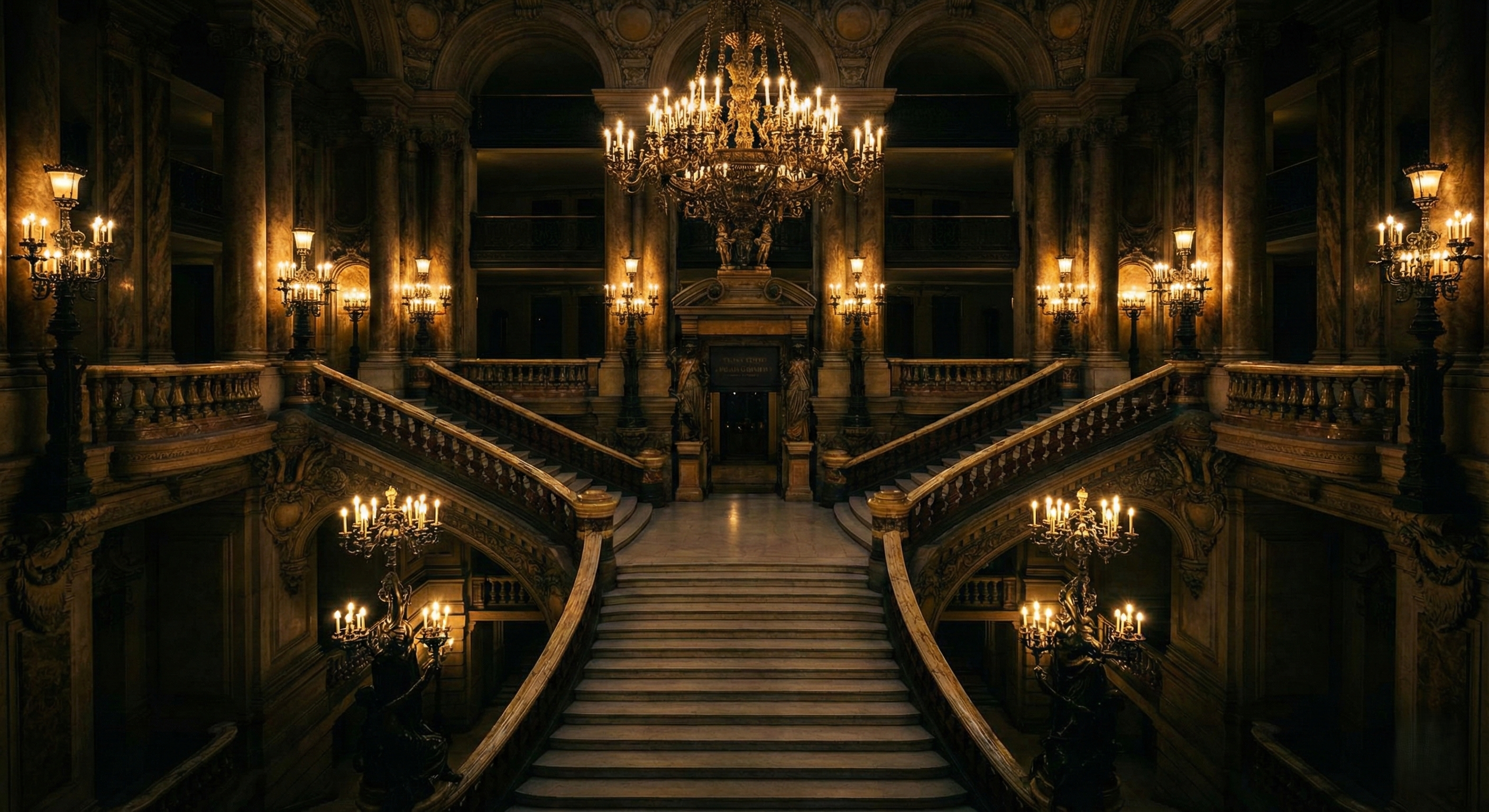
Gaston Leroux’s The Phantom of the Opera was fiction, but it was inspired by truth. In 1896, a massive chandelier counterweight actually fell, killing a construction worker, an event attributed to the Opera Ghost.
The staff at the Palais Garnier maintains the tradition of keeping Box No. 5 empty for the phantom.
While you won't find a disfigured musical genius living in the underground lake, which does exist-it’s a water tank for firefighters, stagehands, and performers have long reported whispered warnings and inexplicable accidents blamed on the building’s possessive spirit.
Holy Ground, Unholy Spirits: Abbeys And Sacred Ruins
When faith is broken by violence, the resulting hauntings are often the most intense. France is dotted with abbeys and cathedrals that have witnessed religious wars, massacres, and sacrilege, leaving behind an energy that is far from holy.
Mont Saint-Michel: The Phantom Knights
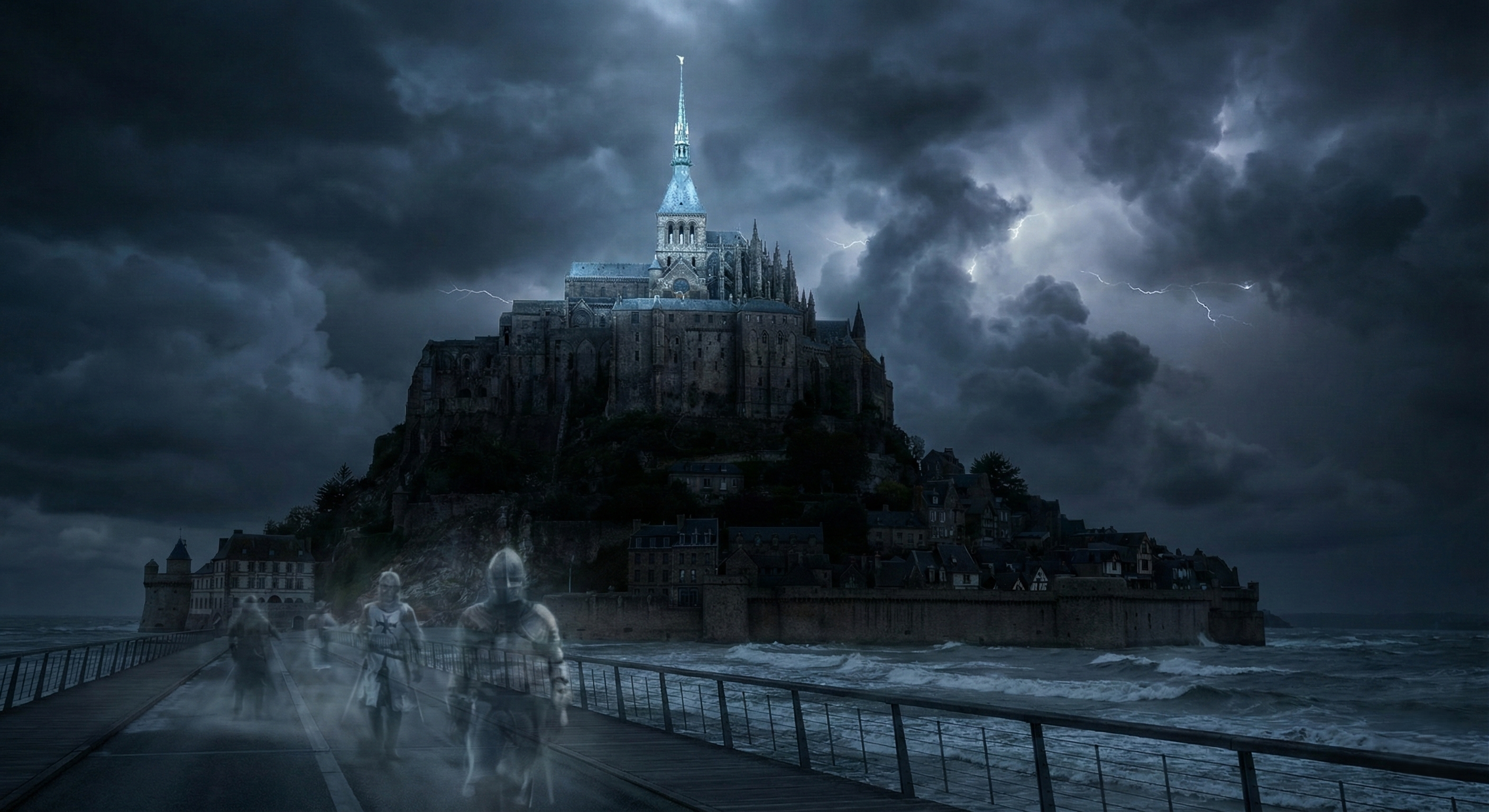
This island abbey has been a pilgrimage site, a fortress, and a prison. During the Hundred Years' War, the English attempted to siege the Mount but were repelled by the brave Captain Louis d’Estouteville and his knights.
The legend says that on stormy nights, when the tide surrounds the island, you can hear the clash of spectral swords and the battle cries of the English soldiers who died on the treacherous sands.
The Abbey’s crypts are also rumored to be haunted by the spirits of monks who broke their vows, condemned to wander the stone halls in eternal penance.
Abbaye De Mortemer: The Exorcism Site
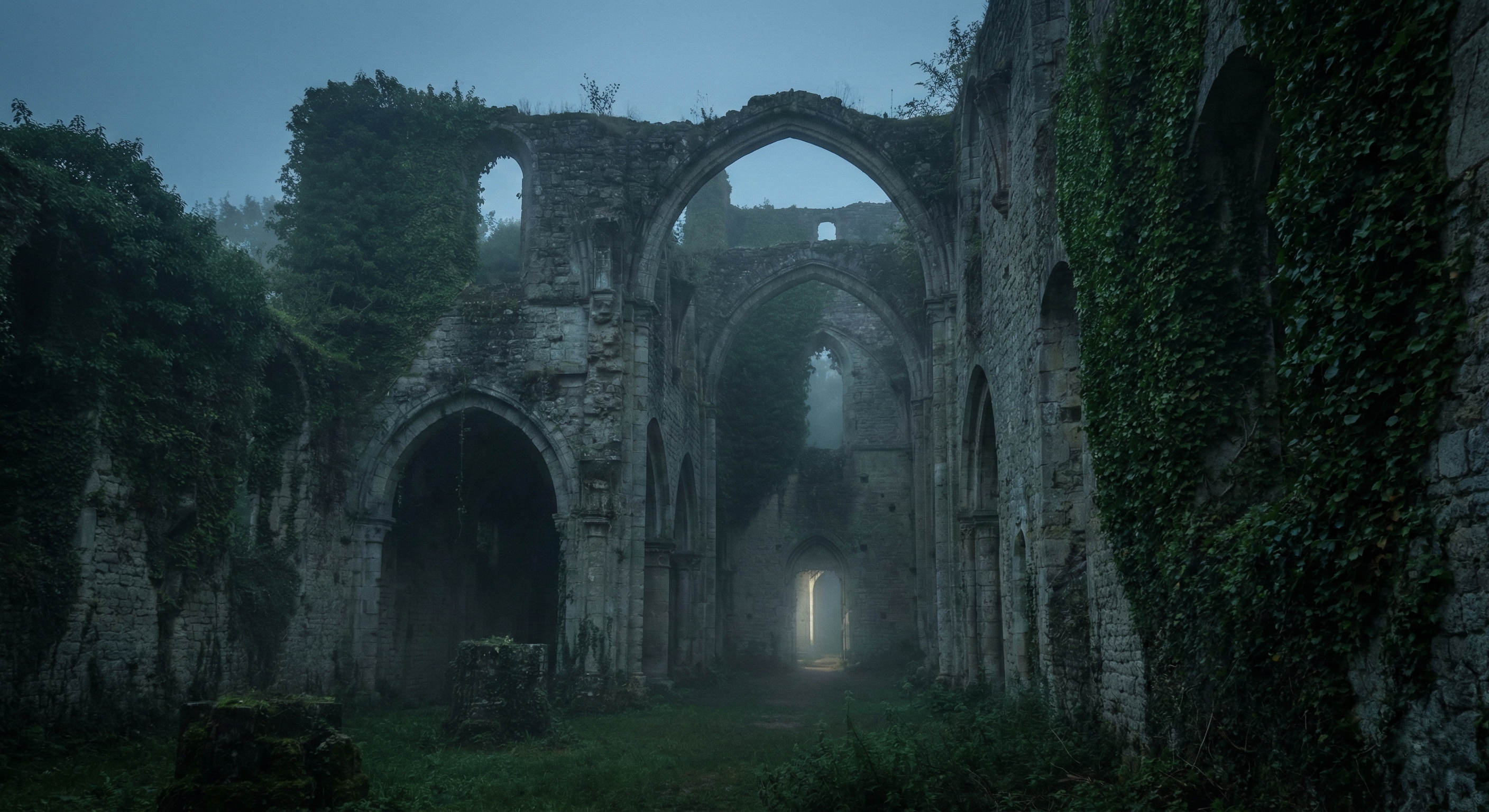
Located in the ancient Forest of Lyons in Normandy, this 12th-century Cistercian abbey is often called the most haunted abbey in France.
Its history is bloody: legends claim four monks were murdered in the cellars during the Revolution.
The primary spirit is the White Lady, believed to be Empress Matilda, grandmother of Richard the Lionheart.
But the energy here is darker. In 1921, the activity-poltergeist phenomena, terrifying noises-was so intense that an exorcism was performed.
Locals say it didn't work. The abbey is also linked to the legend of the Garrache, a woman cursed to take the form of a wolf.
The Alignments Of Carnac: The Stone Soldiers
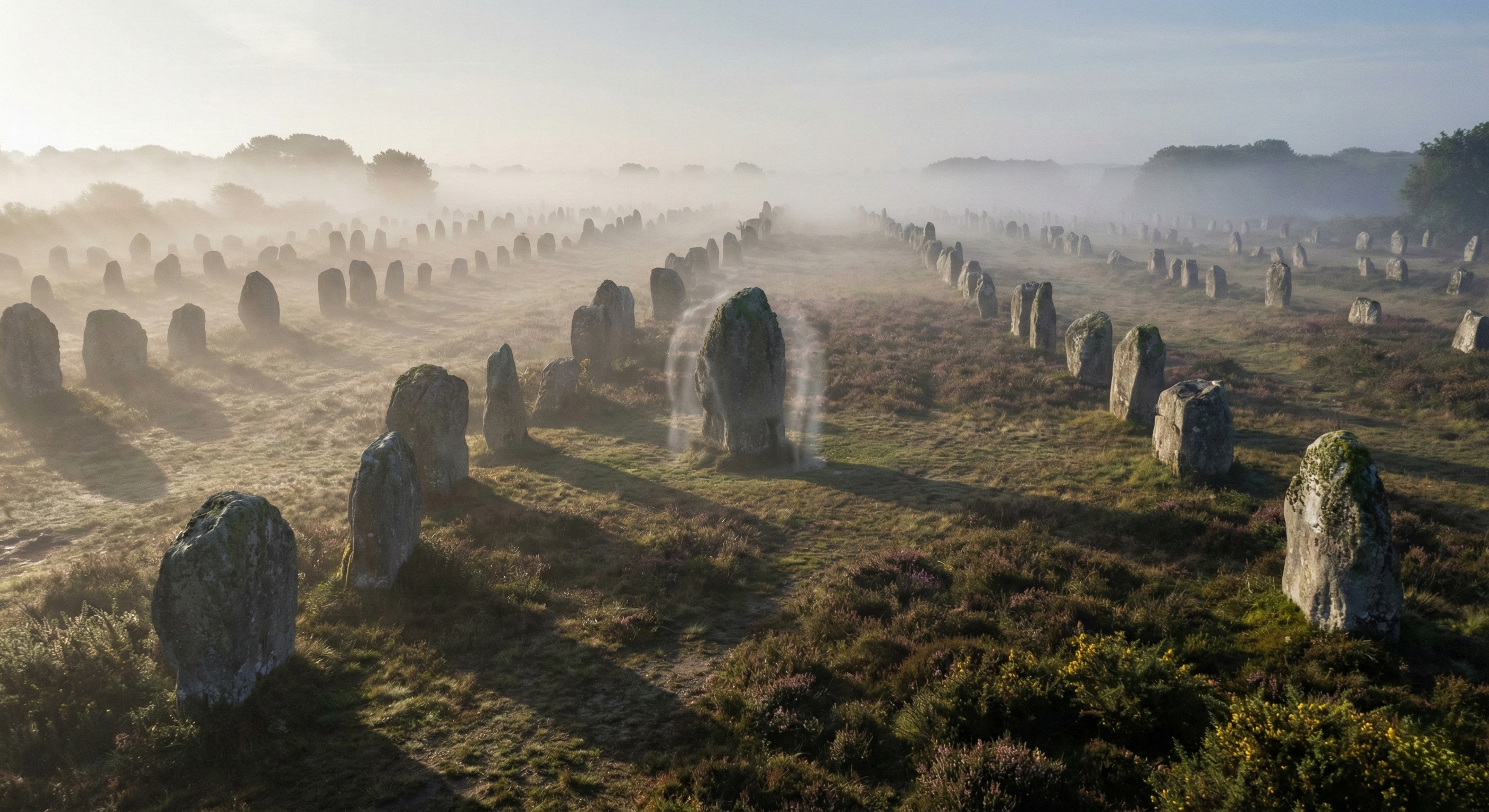
In Brittany, thousands of ancient megaliths stand in perfect lines. While archaeologists debate their purpose, local legend offers a supernatural explanation.
The story goes that Saint Cornély, fleeing from Roman soldiers, turned the pagan army into stone.
These standing stones are said to be those frozen soldiers. Locals believe that on Christmas Eve, the stones come alive and drink from the nearby streams.
Anyone who witnesses this movement is crushed. It is a place of ancient, pagan energy that feels watching and alert, especially at dawn when the mist clings to the fields.
Rouen Cathedral: The Tortured Alchemist
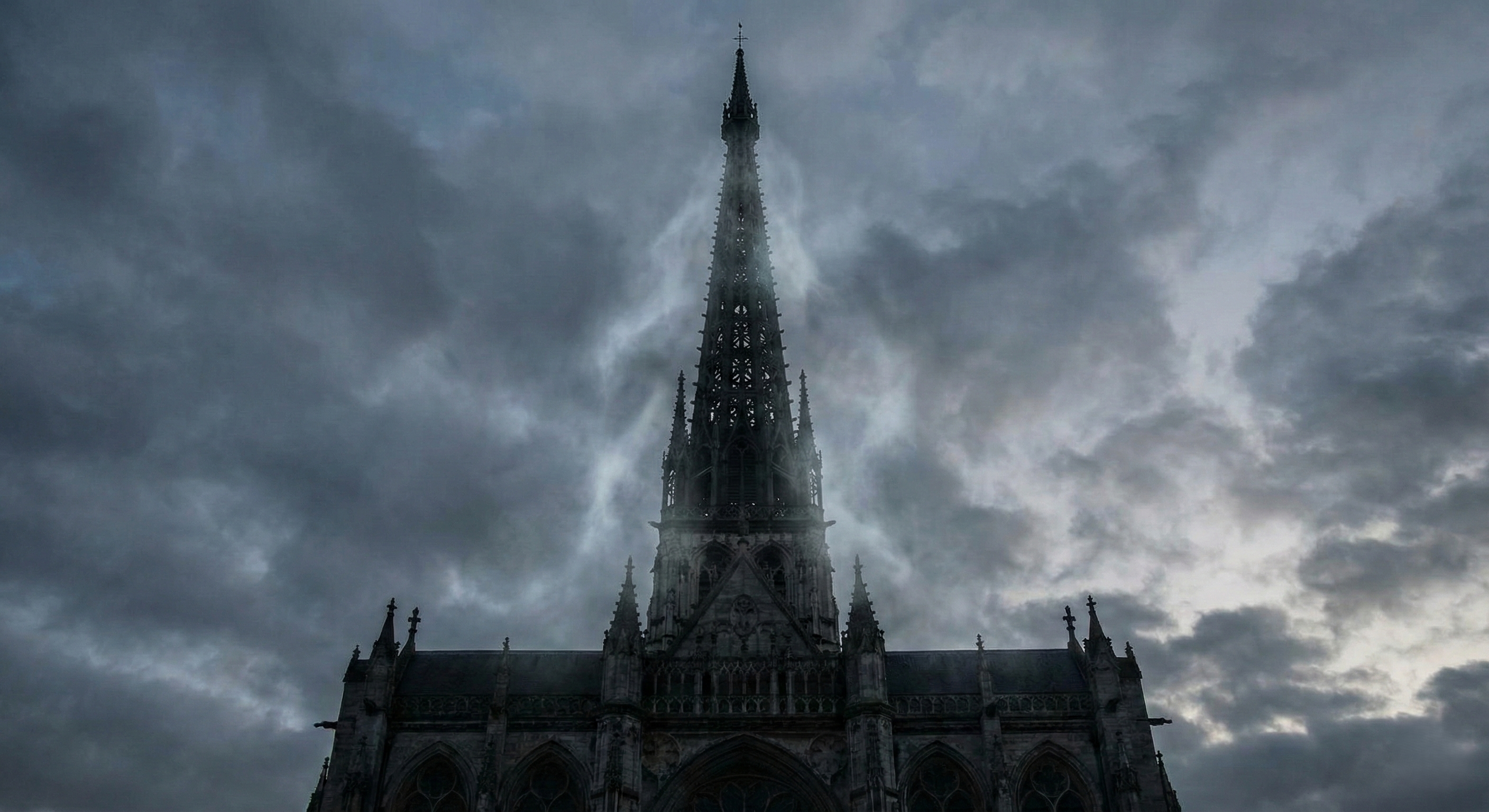
Rouen is where Joan of Arc was burned, but the Cathedral hides a different horror. In the towering Spire, a local legend speaks of an alchemist who made a pact with dark forces to discover the philosopher's stone.
When he failed to pay his debt, the devil supposedly dragged him into the storm that often encircles the spire.
On nights of high wind, the shrieks heard from the upper towers are attributed not to the weather but to the alchemist’s eternal torment, warning those below of the price of greed.
Chartreuse De Paris: The Diabolical Monks
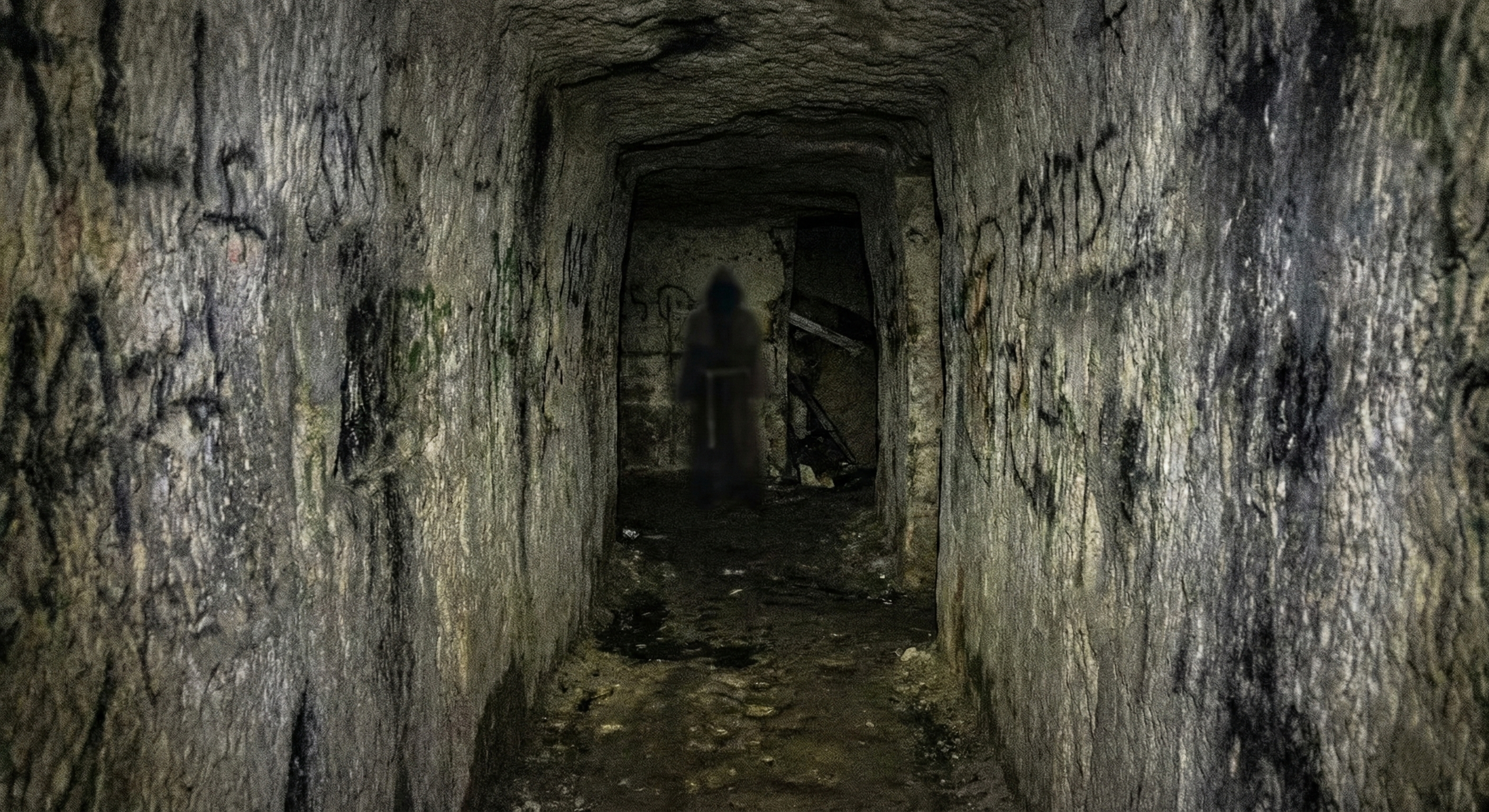
Beneath the Luxembourg Gardens lie the forgotten tunnels of the Chartreuse monks. Urban legends in Paris speak of a secret sect of monks who practiced black masses in these catacombs before the Revolution.
While access is nearly impossible for the public, these are deep within the illegal quarry network.
Cataphiles report that the Chartreuse Room is a place of intense negative energy, where lights fail, and shadows move aggressively.
It is considered a bad zone by experienced explorers, best avoided even by those who know the tunnels well.
Echoes Of War: Battlefields And Massacre Sites
France’s soil is iron-rich with the blood of two World Wars and religious crusades. These sites are not haunted in the traditional sense; they are scarred.
The sheer volume of death in these locations has left a residual energy, a recording of history playing on a loop that sensitive visitors can often feel.
Oradour-Sur-Glane: The Martyr Village
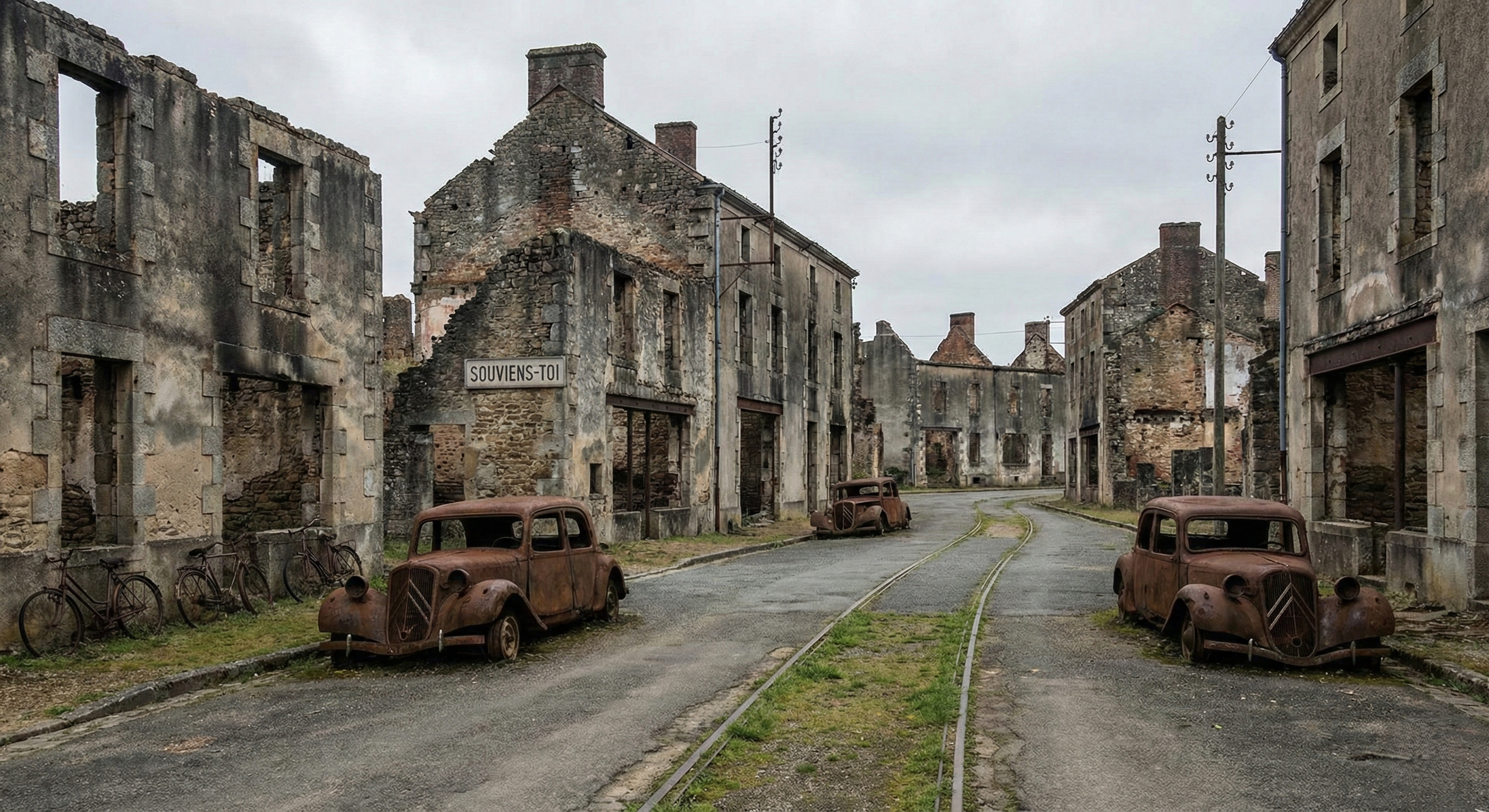
This is a place of silence. On June 10, 1944, a Nazi SS division massacred 642 civilians, men, women, and children, and burned the village to the ground. On the orders of Charles de Gaulle, the village was never rebuilt.
It was left exactly as it was on that day, a ghost town of rusted cars and soot-stained walls. There are no ghost stories here because the reality is terrifying enough.
Visitors report an overwhelming sense of being watched, sudden bouts of weeping, and the distinct smell of burning wood and flesh that seems to manifest from nowhere.
Fort De Douaumont: The Shadows Of Verdun
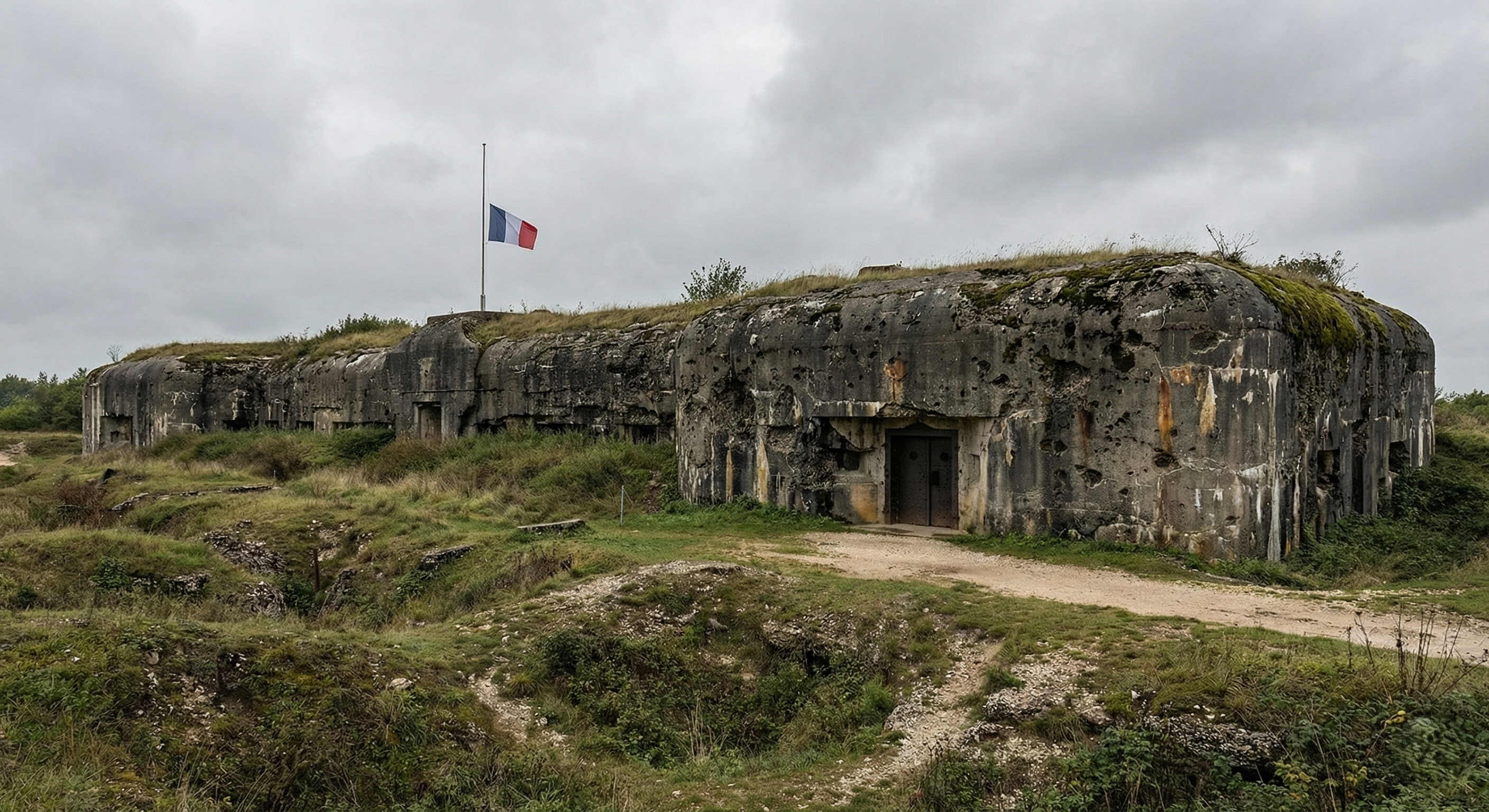
The Battle of Verdunwas one of the deadliest in human history. Fort de Douaumont was the epicenter. Inside the damp, echoing tunnels, a tragic accident occurred in 1916: a munitions fire killed nearly 700 German soldiers instantly.
To prevent the fire from spreading, the survivors walled up the bodies inside the fort. They are still there.
Visitors to the fort describe hearing muffled screams, the smell of cordite gunpowder, and seeing shadowy figures in World War I uniforms patrolling the endless corridors.
Omaha Beach: The Phantoms Of D-Day
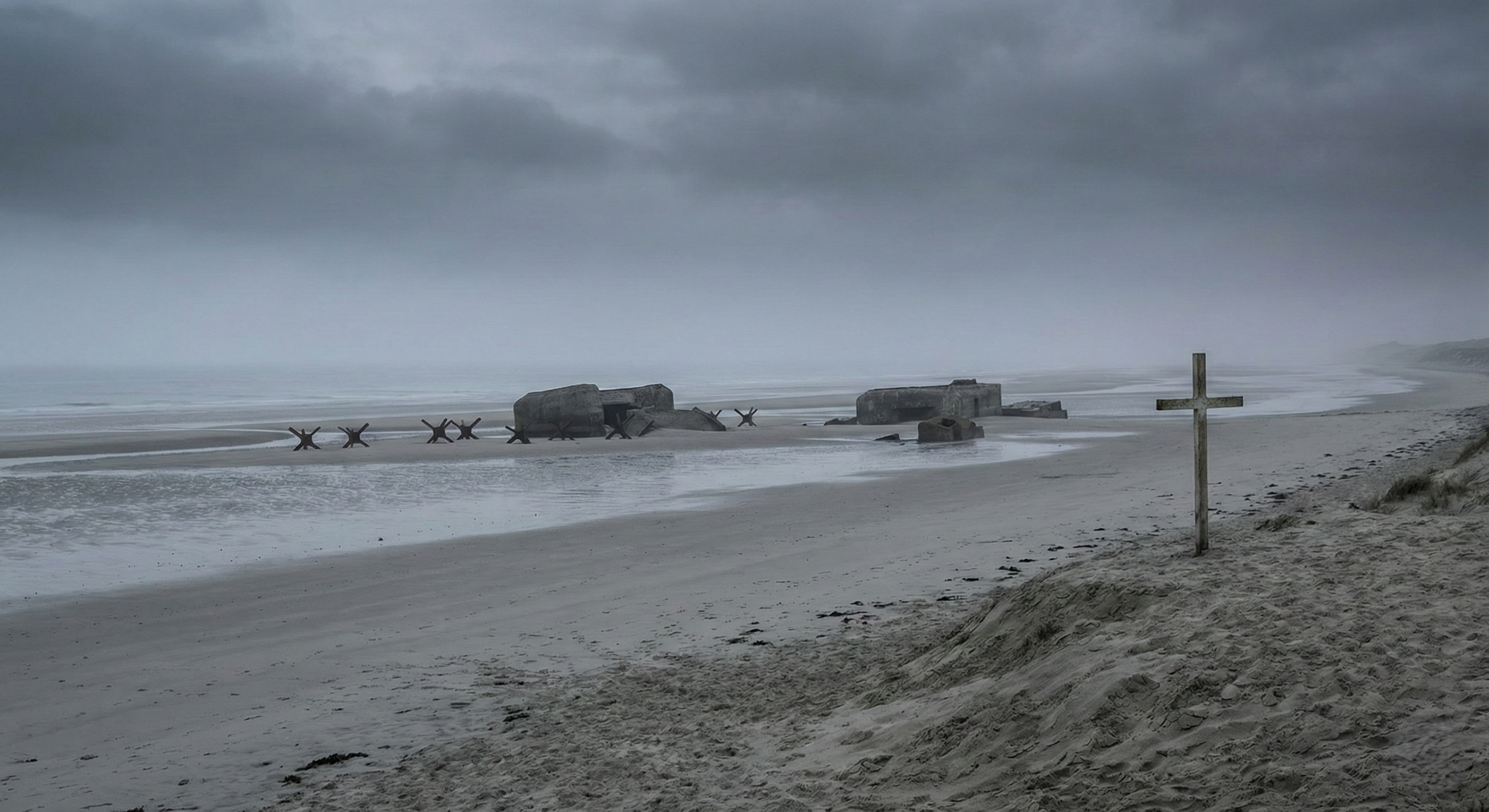
The picturesque sands of Normandy were the stage for thousands of deaths on June 6, 1944. While the beach is peaceful now, locals and sensitive visitors often report residual energy at dawn.
Reports include the phantom sounds of machine-gun fire, the sensation of invisible soldiers running past, and a coldness that has nothing to do with the sea breeze. It is a residual haunting-a recording of history playing on a loop, best experienced after visiting the nearby American Cemetery.
Château De Montségur: The Bonfire Of The Cathars
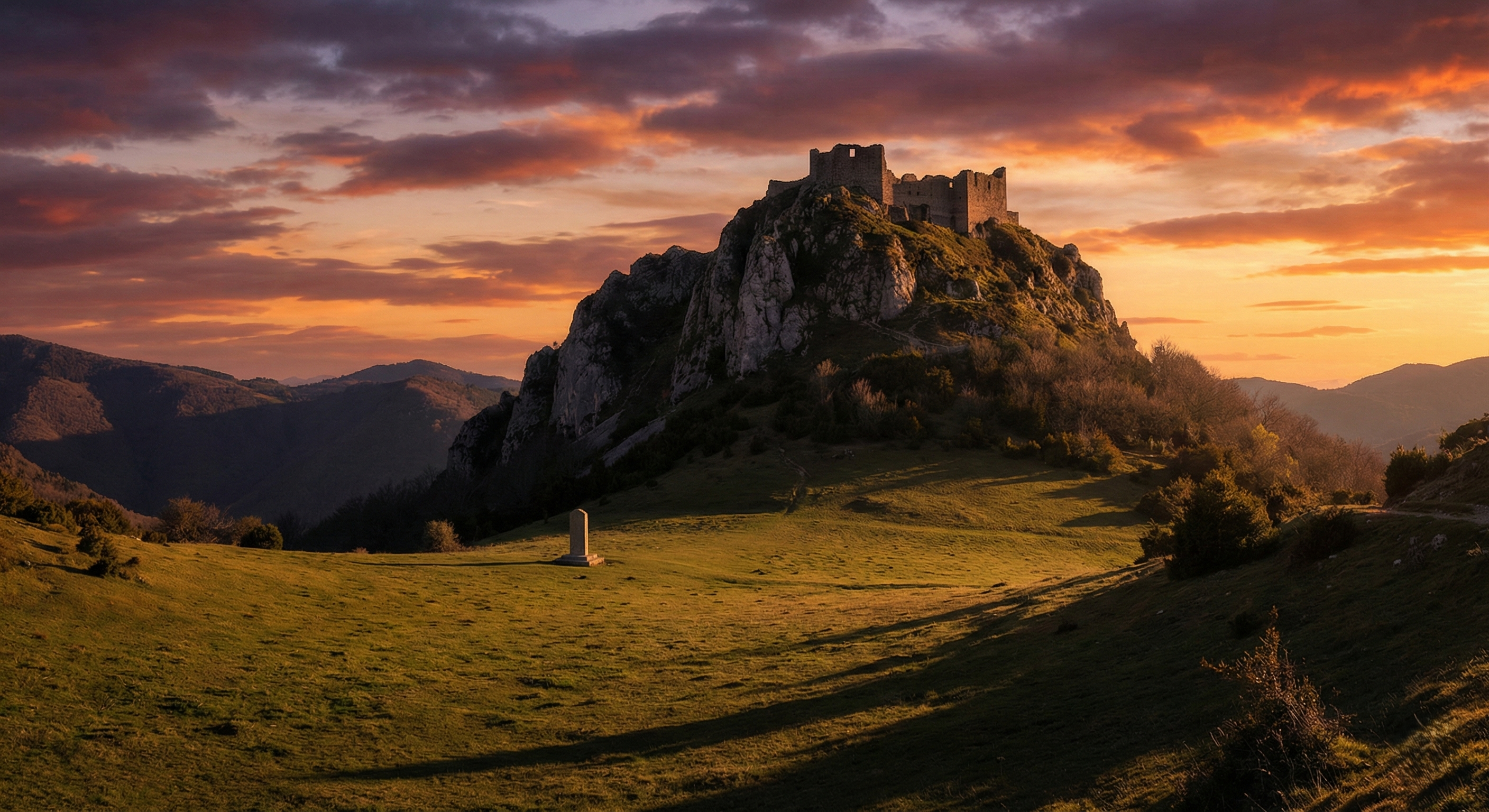
Perched on a precipitous mountain peak in the Pyrenees, this castle was the last stronghold of the Cathars, a religious sect deemed heretics. In 1244, after a 10-month siege, over 200 Cathars surrendered and were burned alive in a massive bonfire at the foot of the mountain.
The field is still called the Prats dels Cremats Field of the Burned. Hikers claim to see strange lights hovering over the field and hear the chanting of the Cathars on the wind. It is a place of defiance and martyrdom.
The Bastille Metro Station: Spirits Of The Revolution
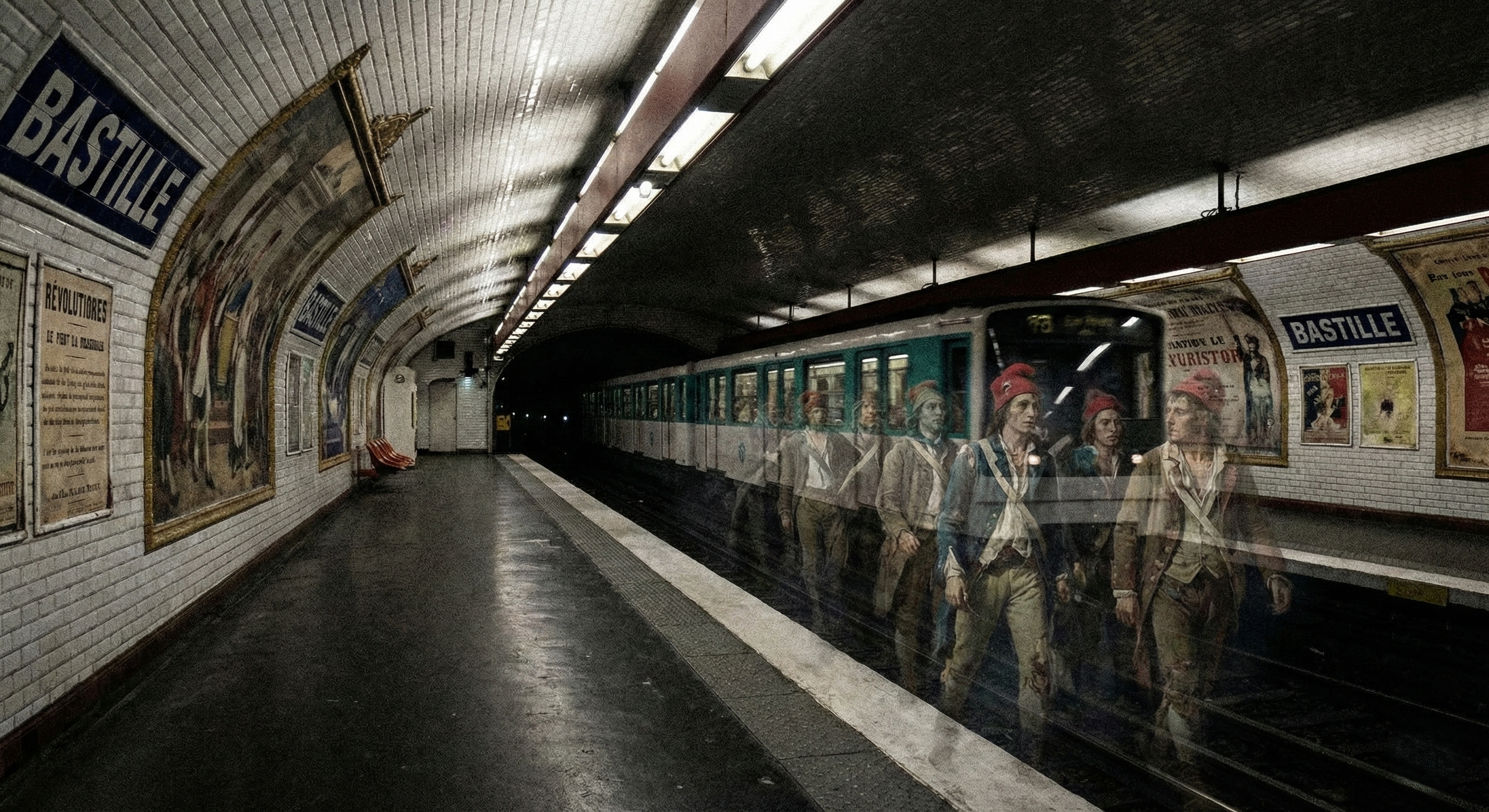
The Bastille prison was destroyed, but its foundations remain visible on the platforms of Metro Line 5. The station sits literally on top of the old moat where bodies were dumped.
Metro workers and commuters have reported seeing figures in 18th-century clothing wandering the tracks after service hours.
There is a specific cold spot on the platform that persists even in the height of summer, attributed to the restless spirits of those who sparked the Revolution.
Myths Of The Wild: Forests, Caves, And Rural Legends
Away from the cities, French folklore takes a turn toward the ancient, the pagan, and the feral.
These are stories rooted in the landscape itself, where rocks, rivers, and trees are imbued with the spirits of witches, devils, and wizards.
The Forest Of Brocéliande: Merlin’s Prison
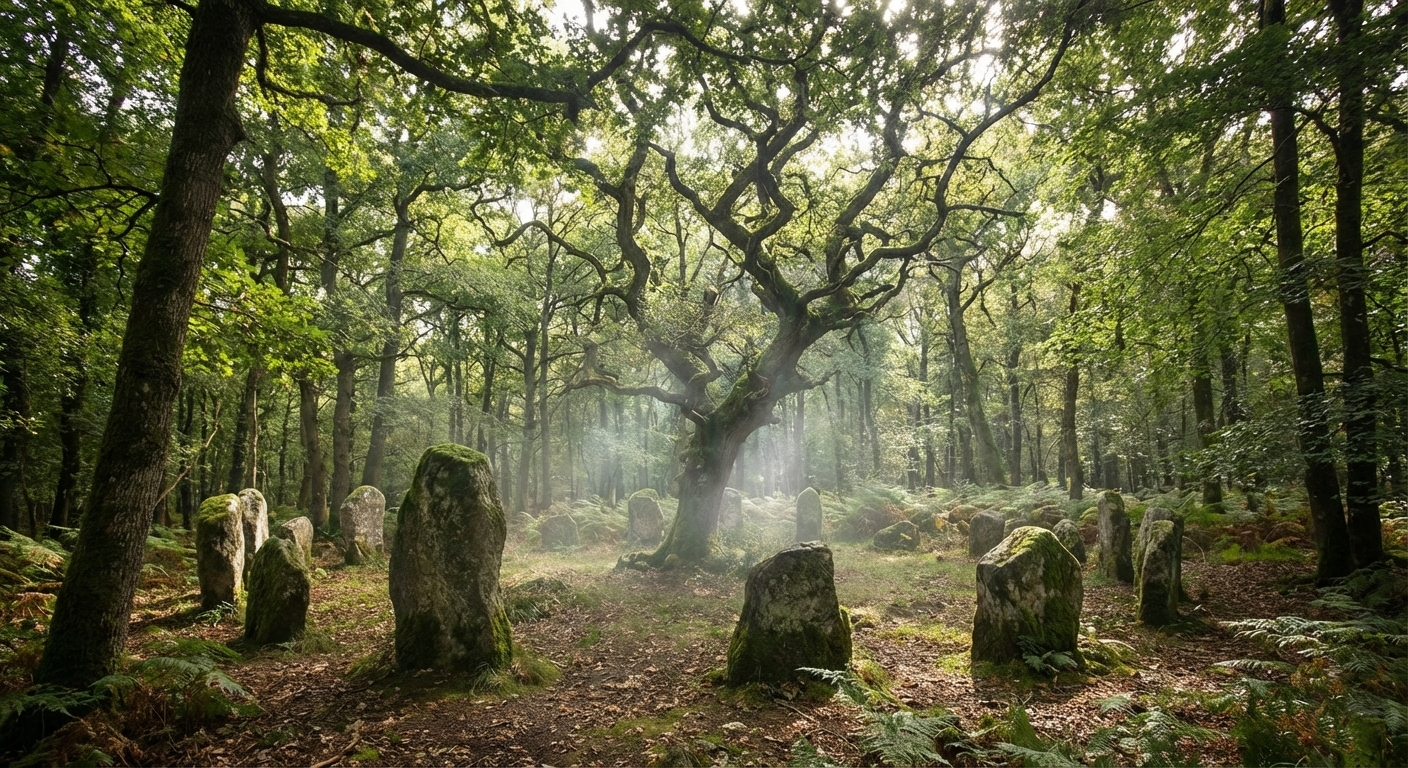
This forest in Brittany is the mythic heart of King Arthur’s legends. It is said to be the home of the sorceress Viviane, the Lady of the Lake, and the prison of the wizard Merlin.
Viviane entranced Merlin and trapped him inside an invisible tower or a stone, depending on the tale.
In the Val sans Retour Valley of No Return, hikers report getting inexplicably lost, electronics failing, and hearing a low, humming vibration attributed to Merlin’s sleeping magic.
The Golden Tree stands as a memorial to a fire that scarred the forest, adding a modern layer of tragedy to the ancient myth.
Gouffre De Padirac: The Devil’s Hole
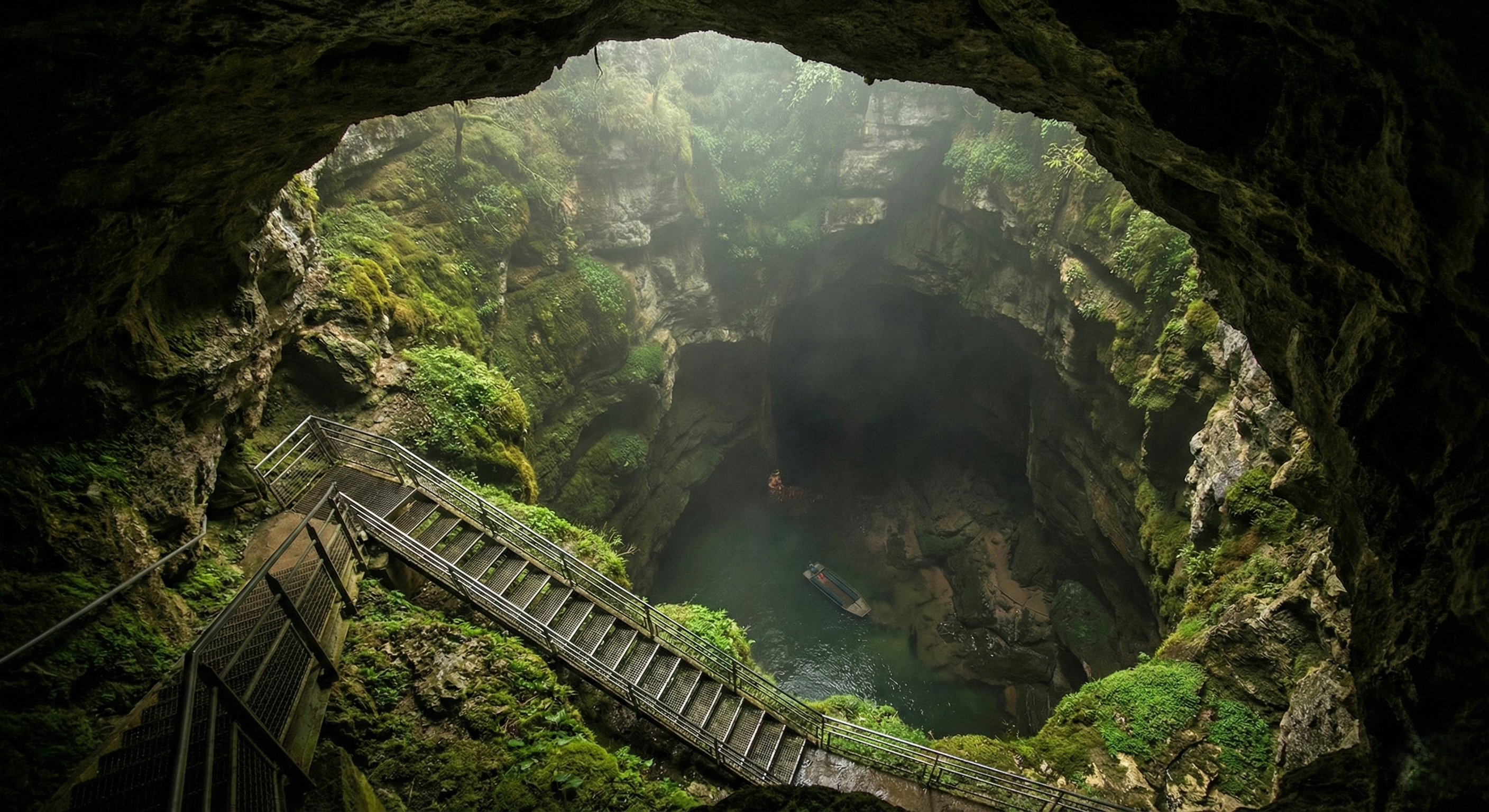
A massive chasm in the earth leading to an underground river. Legend says Saint Martin was challenged by the Devil, who stomped his hoof, opening the abyss.
He told Martin he could save the souls he was carrying only if he could jump the hole on his mule.
Martin succeeded, and the Devil vanished into the pit. Descending into the cave, visitors go down 103 meters, and the atmosphere shifts.
The underground river boat ride is often compared to crossing the River Styx. The acoustics create strange whispers, and the sheer depth presses down on you.
The Witches' Tower Of Alsace Tour Des Sorcières
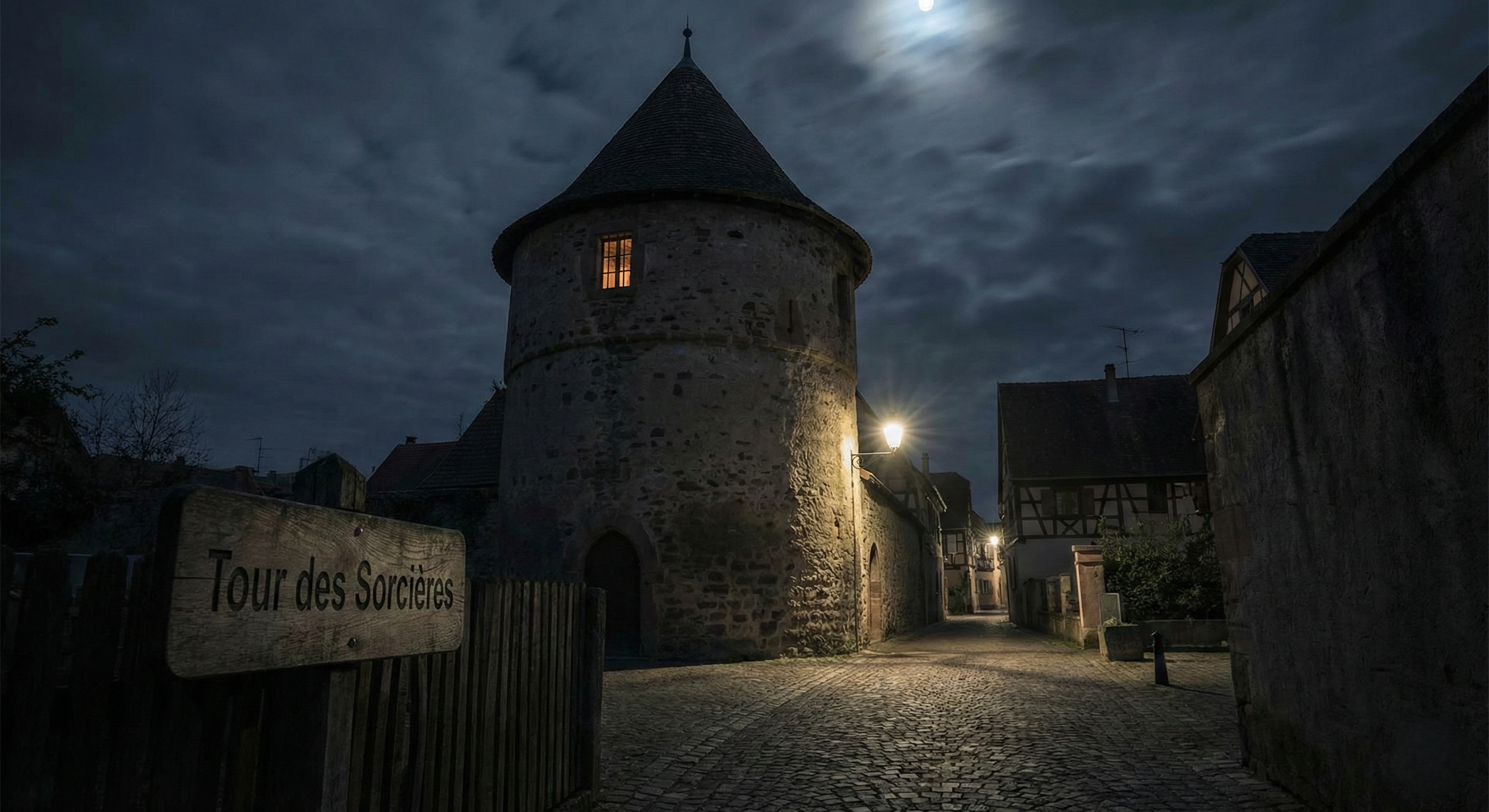
In the scenic vineyards of Alsace lies the town of Rouffach, home to a tower used as a prison during the witch trials of the 16th and 17th centuries.
Women accused of witchcraft were held here before being burned. The tower remains, and the windows are said to flicker with unearthly light at night.
Locals claim the spirits of the accused witches still gather here, not in anger, but in a coven of protection. The view of the vineyards contrasts sharply with the tower’s dark purpose.
Palavas-Les-Flots: The Roadside White Lady
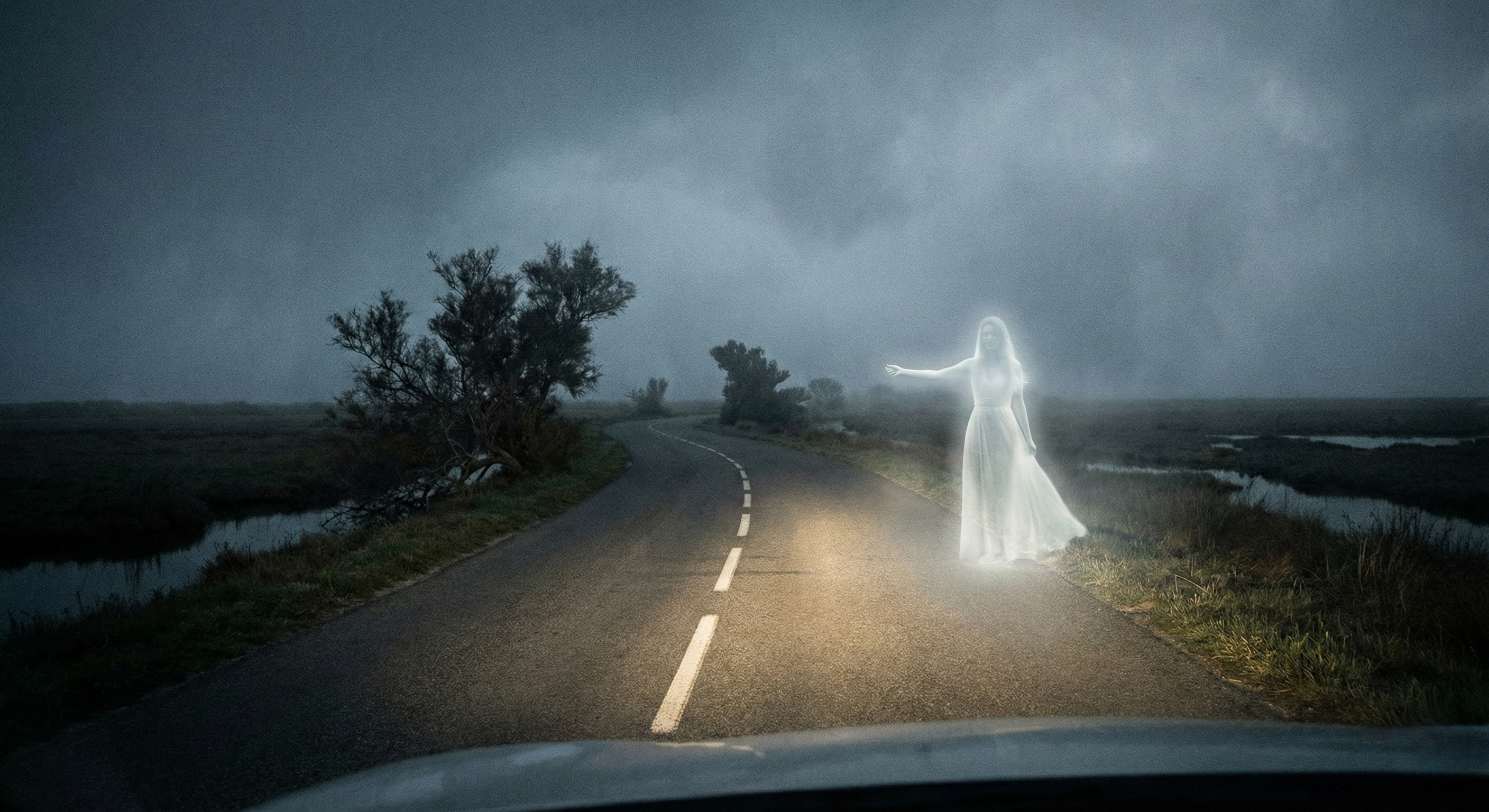
Not a castle, but a road. This is France’s most famous Vanishing Hitchhikerlegend. On a curve near Montpellier, drivers frequently report picking up a woman in white who sits silently in the back seat.
As the car approaches a dangerous bend, she screams Attention! Watch out! and then vanishes into thin air.
Police have received countless reports from terrified drivers who claim they had a passenger who dematerialized, making it a modern urban legend that persists because so many witnesses tell the exact same story.
Pont Du Diable: The Devil’s Bridge Of Céret
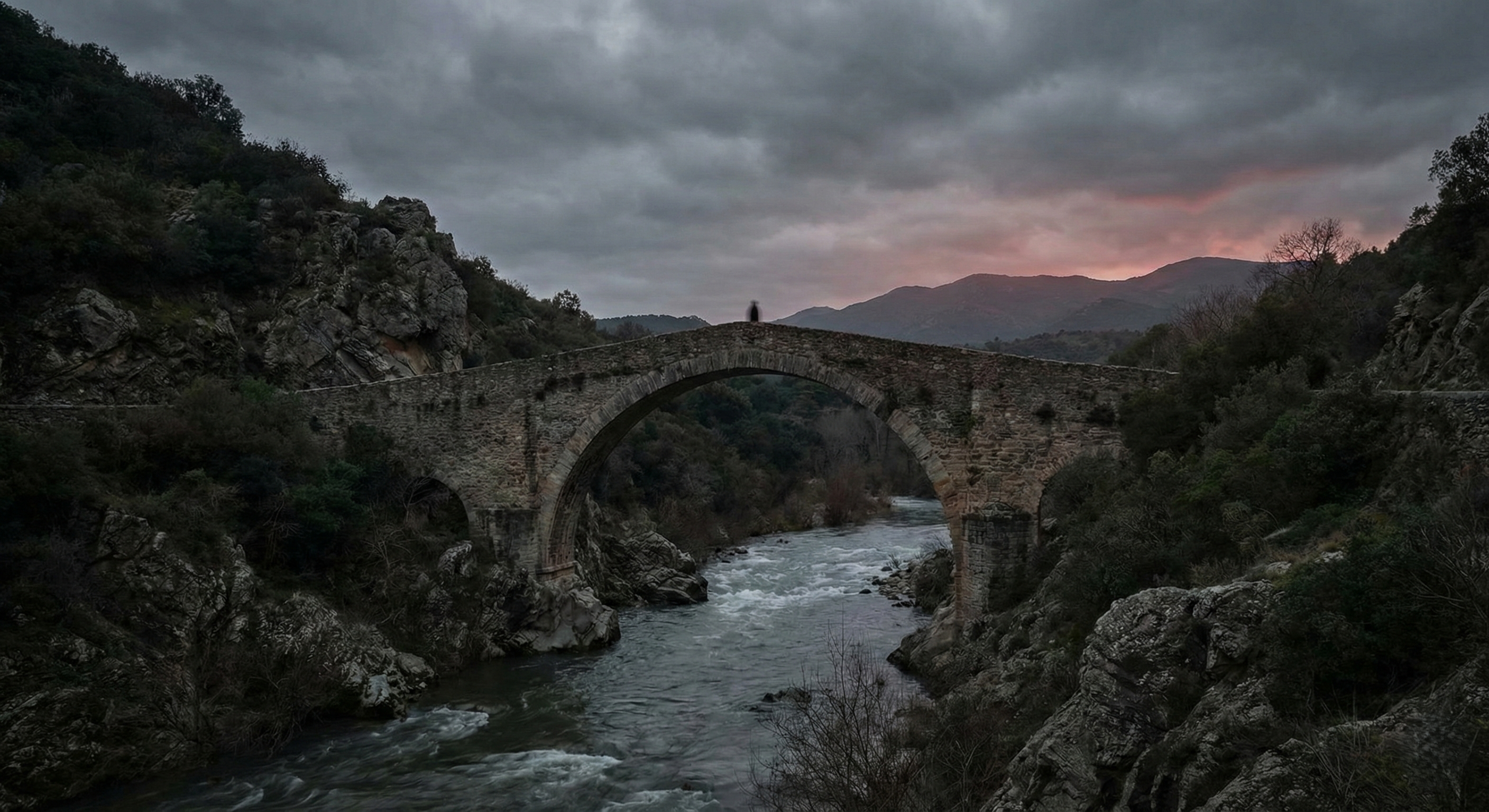
In the 14th century, the locals of Céret wanted a bridge across the Tech River. The legend says the devil agreed to build it in one night in exchange for the first soul to cross.
The villagers tricked him by sending a black cat across first. Furious, the devil tried to destroy the bridge but failed.
It is said that the bridge is indestructible, but on stormy nights, the angry roar of the devil or the screech of the betrayed cat can be heard rising from the gorge below.
Build Your Perfect Route And Keep It Respectful
Once you’ve picked your locations, the difference between a great haunted trip and an exhausting one is structure.
France’s spooky sites are often far apart and emotionally heavy, so the smartest approach is to build a route around a few anchors rather than trying to collect a dozen stops like trophies.
Aim for three core experiences per trip: one place that hits you physically, catacombs, cave, fortress, tunnels, one place that hits you quietly, cemetery, old prison, abbey ruins, and one place that hits you cinematically, château, walled medieval city, mythic forest. That combination gives you variety without turning your itinerary into a sprint.
Time-of-day matters more than most people expect. Castles and medieval streets often feel most atmospheric in late afternoon or early evening when light softens and crowds thin.
Memorial sites and cemeteries are best visited in daylight, with an unhurried pace and a respectful mindset.
Underground sites are rarely improved by rushing-if you’re anxious, tired, or pressed for time, the experience can shift from eerie to unpleasant quickly. Planning for calm keeps the mood intact.
Also Check Out: Haunted Places In Connecticut
People Also Ask
What Is The Most Haunted Place In France?
Château de Fougeret in the Nouvelle-Aquitaine region is widely considered the most active site. Unlike historical haunts that rely on legend, Fougeret hosts regular paranormal investigations where visitors frequently record EVPs, witness moving objects, and experience physical touches. It is the destination for serious ghost hunters.
Can You Visit Haunted Castles In France?
Yes, many are open to the public. Château de Brissac operates as a bed and breakfast, allowing brave guests to sleep under the same roof as the Green Lady. Château de Puymartin offers tours that include the tower where the White Lady was imprisoned. Always check the official website for seasonal opening hours.
Are The Paris Catacombs Haunted?
While the Catacombs are officially an ossuary holding the remains of six million people, legends of hauntings are rampant. Stories of the Midnight Explorer, disembodied voices, and spectral lights are common among those who venture into the tunnels. The sheer psychological weight of the place creates an undeniably eerie atmosphere.
Who Is The Green Lady Of France?
The Green Lady, la Dame Vert,e is believed to be the ghost of Charlotte de Brézé. Legend says she haunts the Château de Brissac after being murdered by her husband in the 15th century. She is named for the color of her dress and is often described as having gaping holes in her face where her eyes and nose should be.
Is It Safe To Visit Haunted Places In France?
Physically, yes, provided you stick to official tours and respect safety barriers, especially in ruins or the Catacombs. Spiritually, that depends on your personal beliefs. Most locations are historic sites with safety regulations. However, private entry into forbidden zones like the non-tourist Catacombs is illegal and dangerous.
Can You Stay Overnight In A Haunted Chateau?
Yes. Château de Fougeret offers specific paranormal nights and workshops for those wanting to investigate. Château de Brissac is a luxury B&B where the haunting is a side note to the history. Both allow you to experience the atmosphere after the sun goes down.
What Happens At 3:33 Am?
In paranormal circles, this time is often referred to as the Devil's Hour or the inverse of the time of Christ's death, 3:00 PM. Folklore suggests the veil between the living and the dead is thinnest at this time, making it the peak hour for paranormal activity and the time many investigators focus their efforts.
Are There Ghost Tours In Paris?
Yes, several operators run Dark Paris or Night of the Damned walking tours. These usually focus on the darker history of the city, including the plague pits, the executions of the French Revolution, and the legends of the Knights Templar, providing a guided narrative to the city's spooky past.
Final Thoughts
France is a country of breathtaking beauty, but that beauty is built on a foundation of bones. From the aristocratic tragedies of the Loire to the dark damp of the Paris underground, the past here refuses to stay buried.
Whether you are a skeptic seeking history or a believer seeking contact, these locations offer a glimpse into a world where the timeline is not quite linear. Go with an open mind, tread lightly, and remember: in France, the dead have never truly left. They are just waiting for someone to listen.